Adolescence is a period of profound transformation, both physical and psychological. It is also a critical phase for brain development, which continues to be modelled and to mature at a frenetic pace. But did you know that what you eat plays a leading role in your brain’s performance, mood and mental health? An adapted diet can be your ally for learning better, managing stress and cultivating lasting emotional wellbeing. Ready to discover how to optimise your brain’s potential? Read on to learn all about the diet that truly feeds your brain.
Why is diet crucial for the teenage brain?
The teenage brain is an incredible machine, in full construction. Neural connections are created and strengthened, while others are pruned. This complex process requires specific energy and “building materials”, supplied directly by our diet.
Inadequate nutrition during this period can have repercussions on concentration, memory, learning capacity and even the regulation of emotions. Teenagers are particularly vulnerable to deficiencies because of their increased energy needs, their sometimes irregular eating habits and the influence of fashion. A well-nourished brain is more resilient to stress and daily challenges, and can better prevent certain mood or anxiety disorders.
Key nutrients for a high-performing brain
To function at its best, our brain needs a constant and balanced supply of various nutrients. Each plays a distinct but interconnected role.
Omega-3 fatty acids
These essential fats, notably DHA and EPA, are major structural components of brain-cell membranes. They are crucial for communication between neurons and are associated with better memory, better concentration and a reduced risk of mood disorders. They are found mainly in oily fish.
Proteins and amino acids
Proteins are the building blocks of our whole body, including the brain. They provide the amino acids needed to synthesise neurotransmitters, the chemical messengers that regulate mood, sleep, learning and motivation. Tyrosine, for example, is a precursor of dopamine and noradrenaline, while tryptophan is essential for serotonin production.
Complex carbohydrates
Unlike simple sugars, complex carbohydrates (such as those found in wholegrains) are digested slowly, providing a stable, continuous supply of glucose. Glucose is the brain’s main source of energy. A constant supply avoids blood sugar spikes and crashes, which can cause fatigue, irritability and difficulty concentrating.
B vitamins
The B-group vitamins (B6, B9 or folate, B12) are indispensable for the proper functioning of the nervous system. They play a key role in energy production, neurotransmitter synthesis and neuron protection. A deficiency can show up as fatigue, concentration problems or mood disorders.
Antioxidants (vitamins C and E, selenium)
The brain is a very active organ that consumes a lot of oxygen, thus generating free radicals. Antioxidants help neutralise these free radicals, protecting brain cells from oxidative stress and premature ageing. They help maintain the integrity of neurons and support cognitive function.
Iron
Iron is essential for transporting oxygen to the brain via haemoglobin. Iron deficiency, common in teenagers and especially in girls, can lead to chronic fatigue, diminished learning capacity and impaired memory and attention.
Zinc
Zinc is an important mineral involved in many enzymatic reactions in the brain. It plays a role in neurogenesis (the creation of new neurons), synaptic plasticity (the brain’s ability to form and modify connections) and neurotransmitter function. Its deficiency can affect mood and cognitive functions.
Magnesium
Often nicknamed the “anti-stress mineral”, magnesium takes part in more than 300 biochemical reactions in the body, many of which are crucial for the brain. It helps regulate the nervous system, promotes relaxation, improves sleep quality and contributes to memorisation and learning.
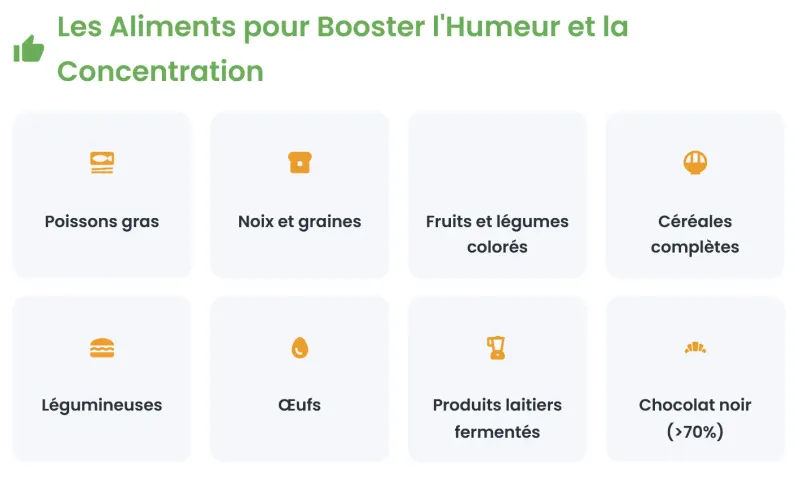
Foods to boost mood and concentration
Integrating these foods into your daily diet is a direct investment in your mental wellbeing and your school performance.
- Oily fish (salmon, mackerel, sardines): Rich in omega-3, they are the stars of brain nutrition.
- Nuts and seeds (flaxseeds, chia, walnuts): Excellent sources of plant omega-3 and vitamin E. Walnuts are even nicknamed “brain food” because of their shape and richness.
- Colourful fruit and vegetables (berries, spinach, broccoli, sweet potato): Loaded with antioxidants and vitamins. Berries, in particular, are renowned for their protective effects on the brain.
- Wholegrains (oats, brown rice, quinoa, wholemeal bread): Provide stable energy and fibre, avoiding fatigue dips and promoting better concentration throughout the day.
- Pulses (lentils, chickpeas, beans): Good sources of plant protein, fibre and B vitamins; they are ideal for lasting energy.
- Eggs: Rich in choline, a nutrient essential for memory and brain function. They also provide high-quality protein.
- Fermented dairy products (plain yoghurt, kefir): Thanks to their probiotics, they support a healthy gut microbiome. More and more research shows the close link between gut and brain, an axis called the “gut-brain axis”, influencing mood and cognition.
- Dark chocolate (in moderation, >70% cocoa): Contains flavonoids, antioxidants and a little caffeine, which can improve alertness and mood. To be consumed sparingly.
Foods to limit for brain health
Just as some foods nourish the brain, others can hinder its optimal functioning.
- Refined sugars and sugary drinks: High sugar levels can cause blood sugar spikes and crashes, affecting mood, concentration and memory. Excessive consumption is also linked to inflammation and can impair brain plasticity in the long term.
- Ultra-processed foods: Crisps, industrial snacks, ready meals: these products are often rich in added sugars, saturated/trans fats and additives, but poor in essential nutrients. They can disrupt the gut microbiome and promote inflammation, negatively affecting the brain.
- Saturated and trans fats: Present in fried foods, fast food and some industrial pastries, these fats can harm vascular and brain health, increasing the risk of inflammation and impairing cognitive function.
- Excess caffeine: Although a moderate amount can improve alertness, excessive caffeine consumption in teenagers can disrupt sleep, increase anxiety and create dependence, with crash effects causing fatigue and irritability.

Practical tips for brain-healthy eating in teenagers
Adopting new habits does not happen overnight. Here are a few tips to integrate brain-friendly eating into your daily life.
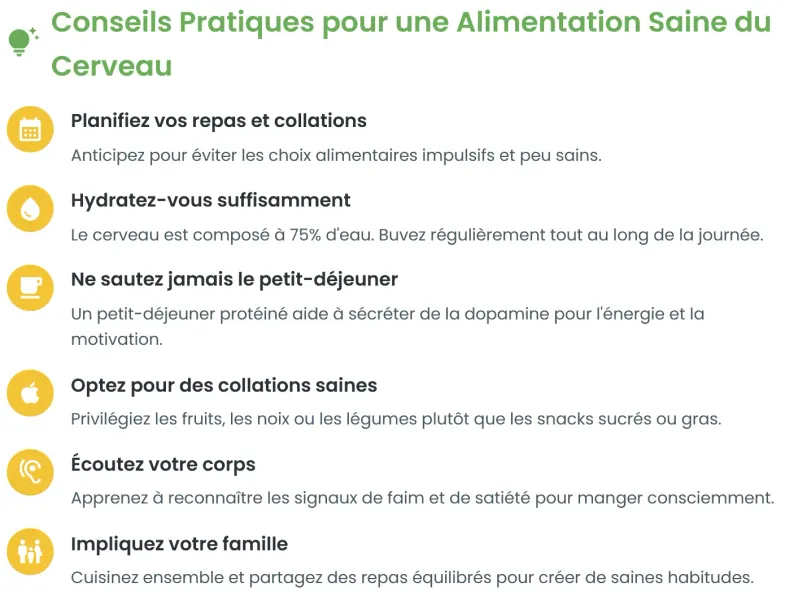
- Plan your meals and snacks: Having healthy foods within reach reduces the temptation of less nutritious choices. Prepare snack boxes with fruit, nuts or vegetable sticks.
- Hydrate sufficiently: The brain is about 75% water. Even mild dehydration can cause headaches, fatigue and diminished cognitive performance. Drink water regularly throughout the day.
- Never skip breakfast: It is the fuel that starts your brain for the day. A balanced breakfast (wholegrains, protein, fruit) enables better concentration in class.
- Choose healthy snacks: Replace crisps and sweets with fruit, crunchy vegetables with hummus, a handful of nuts or a yoghurt.
- Listen to your body: Learn to recognise hunger and satiety signals. Eat when you are hungry and stop when you are full, rather than eating out of boredom or stress.
- Involve your family: Making healthy choices is easier when everyone is on the same wavelength. Cook together, explore new healthy recipes and do the shopping as a family.
Frequently asked questions (FAQ)
- **Q: Can diet really affect teenagers’ mood?**A: Absolutely. Essential nutrients feed the production of neurotransmitters such as serotonin and dopamine, which regulate mood. A balanced diet can stabilise emotions and reduce mood swings.
- **Q: What are the signs of a nutrient deficiency affecting the brain?**A: Signs can include persistent fatigue, difficulty concentrating, memory problems, increased irritability, anxiety or a depressive mood. If you suspect a deficiency, consult a health professional.
- **Q: Should teenagers take dietary supplements for the brain?**A: In most cases, a varied and balanced diet is enough to cover nutritional needs. Supplements are only recommended on medical advice, notably in case of proven deficiency or a very restrictive diet.
- **Q: How to manage sugar cravings?**A: Sugar cravings can indicate a drop in energy. Try snacking on fresh fruit (which provides natural sugar and fibre), nuts or a square of dark chocolate. Also make sure you eat regular, balanced meals to avoid dips.
Glossary of key terms
- Neurotransmitters: Chemical substances produced by the brain that transmit signals between neurons. They influence mood, sleep, concentration and many other functions.
- Omega-3 fatty acids: Essential polyunsaturated fats that the body cannot produce. Important for the structure and function of the brain’s cell membranes.
- Antioxidants: Molecules that protect the body’s cells, including those of the brain, from damage caused by free radicals. They are found in colourful fruit and vegetables.
- Gut microbiome: The set of micro-organisms (bacteria, yeasts, viruses) living in our intestine. It plays a crucial role in digestion, immunity and, increasingly, in the gut-brain axis.
- Glycaemic index (GI): Measures the speed at which a carbohydrate-containing food raises the level of glucose in the blood. Low-GI foods provide more stable energy.
Conclusion
Feeding your brain is an act of love towards yourself and your future. By making conscious food choices and prioritising foods rich in essential nutrients, you give your brain all the tools it needs to function at its full potential. Not only will you improve your concentration and learning capacity, you will also strengthen your emotional resilience and general mental wellbeing. Every small change counts. Start today to explore new flavours and feel the benefits of a diet that supports you, body and mind. Take charge of your brain health: your future self will thank you!
Article written by Yin Shi with the collaboration of mental health experts. Sources: studies published in the Journal of the American Academy of Child and Adolescent Psychiatry, WHO data and principles of nutritional psychiatry. In case of psychological distress, contact the Samaritans on 116 123 (UK, 24/7), the 988 Suicide and Crisis Lifeline (US), or a mental health professional.
To go further
Yin Shi ecosystem resources directly related to this article.
Is your plate feeding your brain?
The MEDAS score measures the Mediterranean model associated with cognitive health.
Take the test →The diet that feeds the brain
The lesson links nutrition to cognition and the needs of the developing brain.
Take the lesson →