TCM Glossary: 50 Core Concepts in Traditional Chinese Medicine
Explore 50 key TCM terms explained simply: Qi, Yin, Yang, Zang-Fu, Five Elements and major syndromes. A practical guide for practitioners and curious readers alike.
Dive into the principles of Traditional Chinese Medicine and discover how food can transform your daily life.
69 articles
Explore 50 key TCM terms explained simply: Qi, Yin, Yang, Zang-Fu, Five Elements and major syndromes. A practical guide for practitioners and curious readers alike.
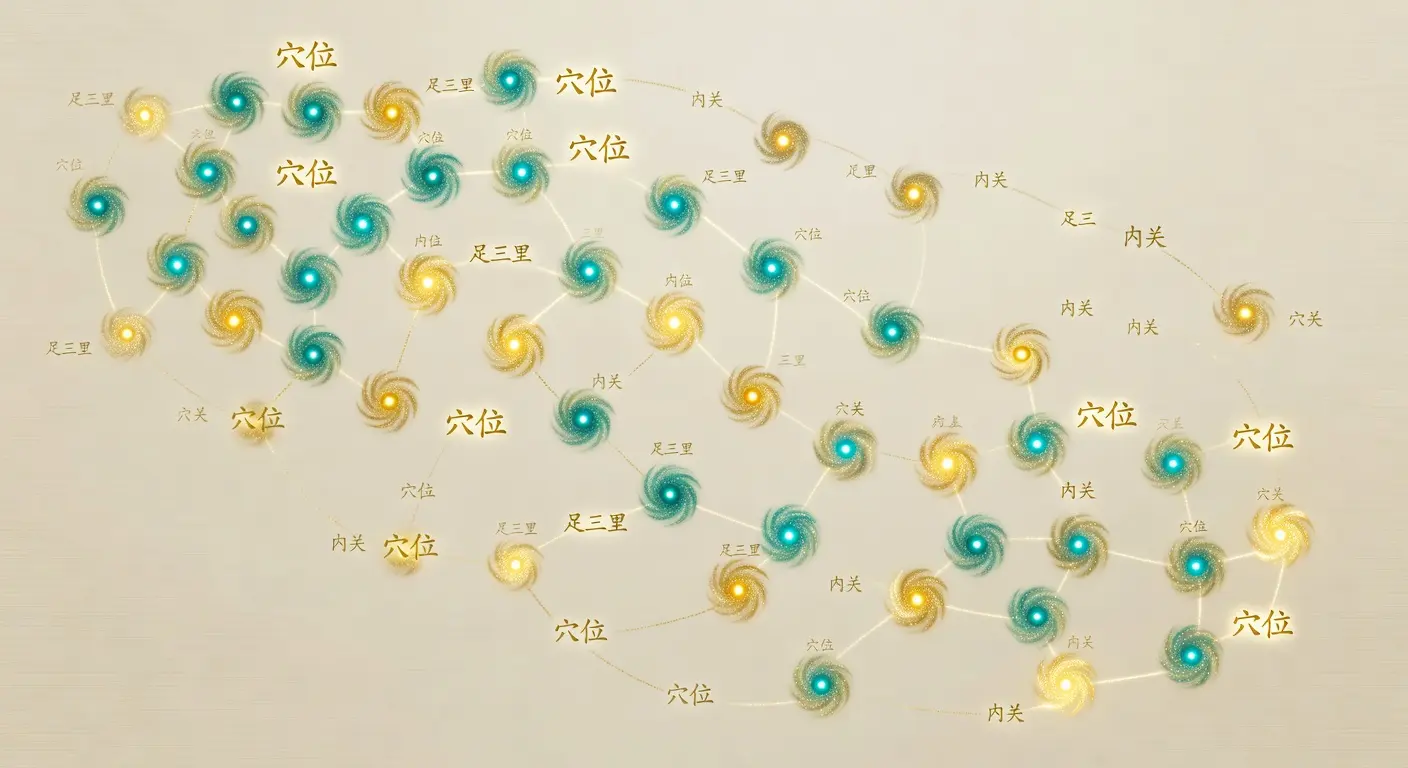
Acupuncture points (穴位) are the access gates on meridians where Qi and Blood are accessible. Discover their structure, functions and therapeutic approaches.
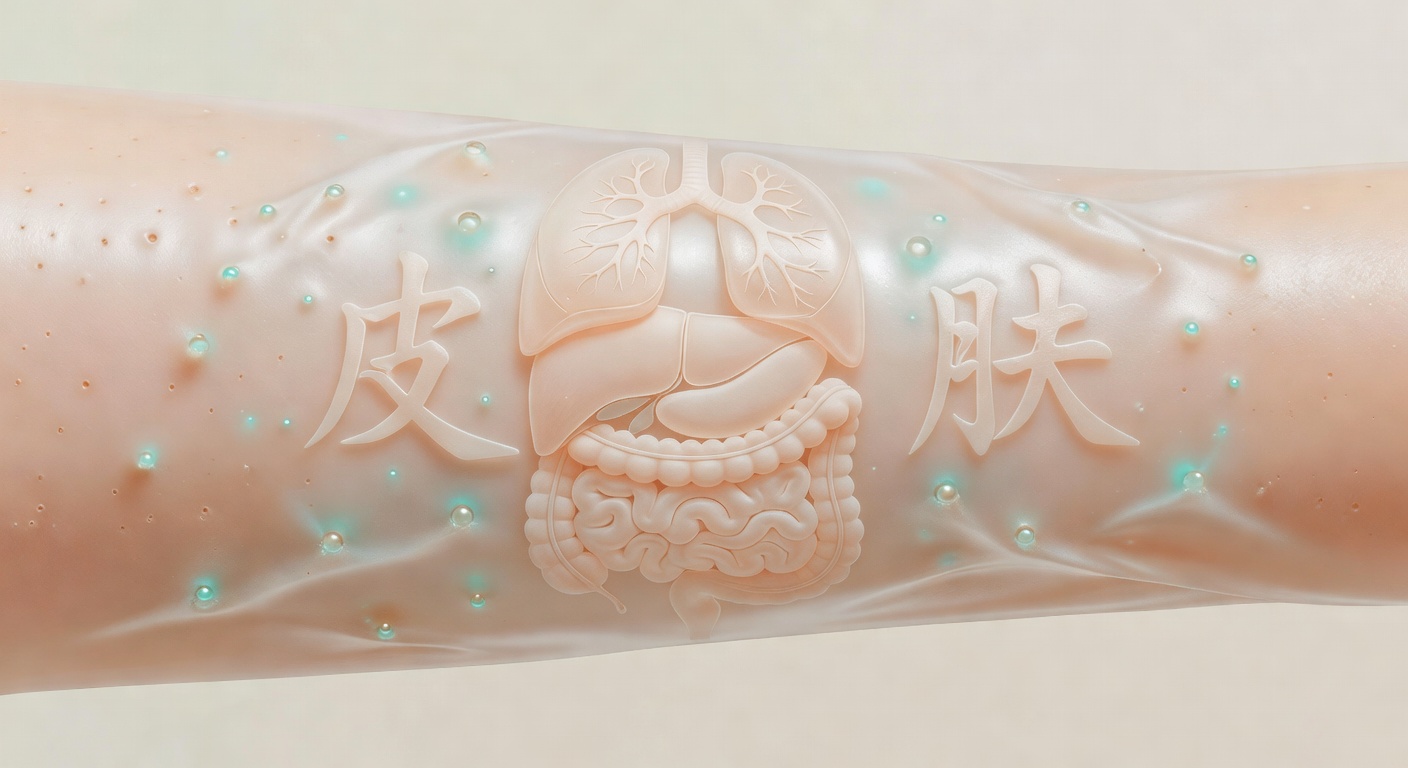
Skin in TCM is governed by the Lung, nourished by Blood and protected by Wei Qi. Discover its functions, pathologies and dietary approaches.
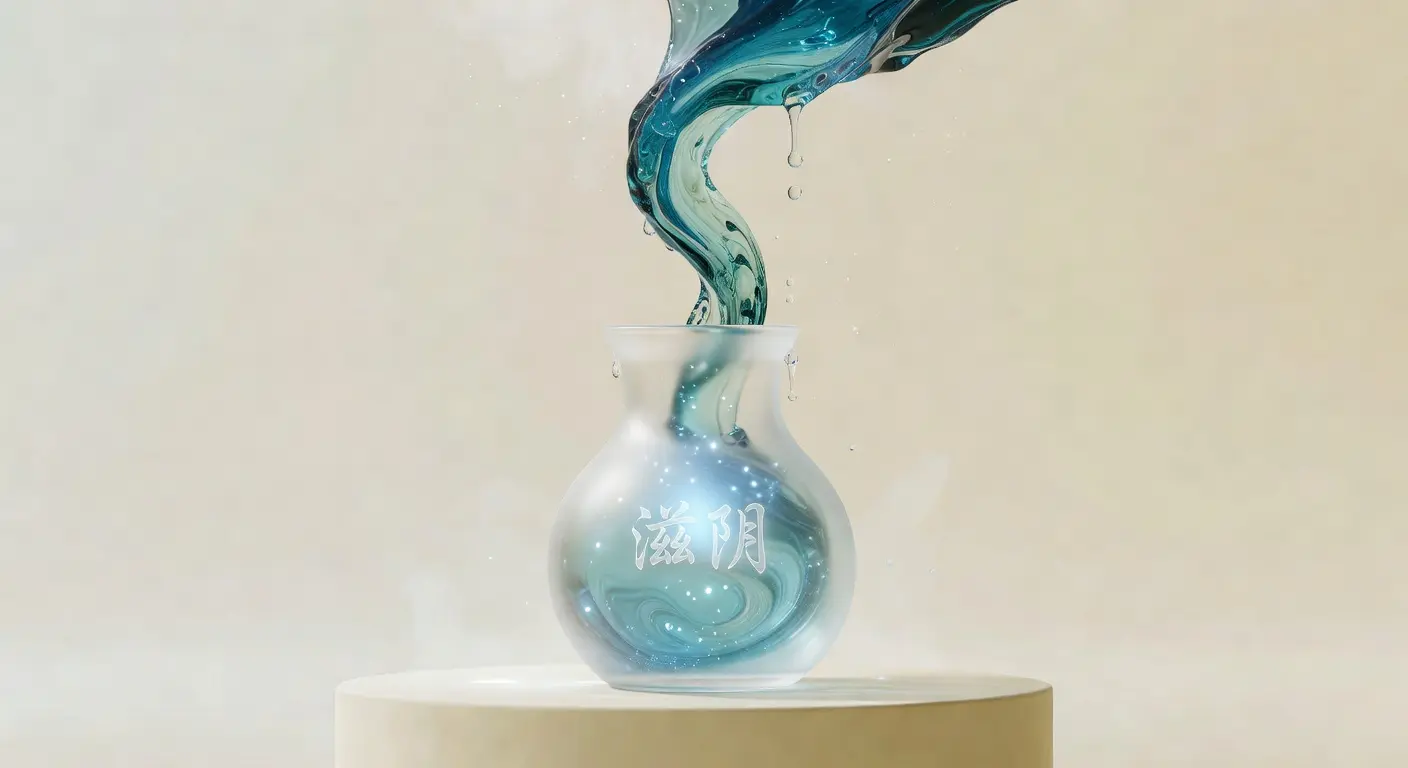
Nourish Yin (滋阴) in TCM refers to the action of restoring organic fluids, coolness and nourishing substance. Discover its methods, indications and dietary approaches.
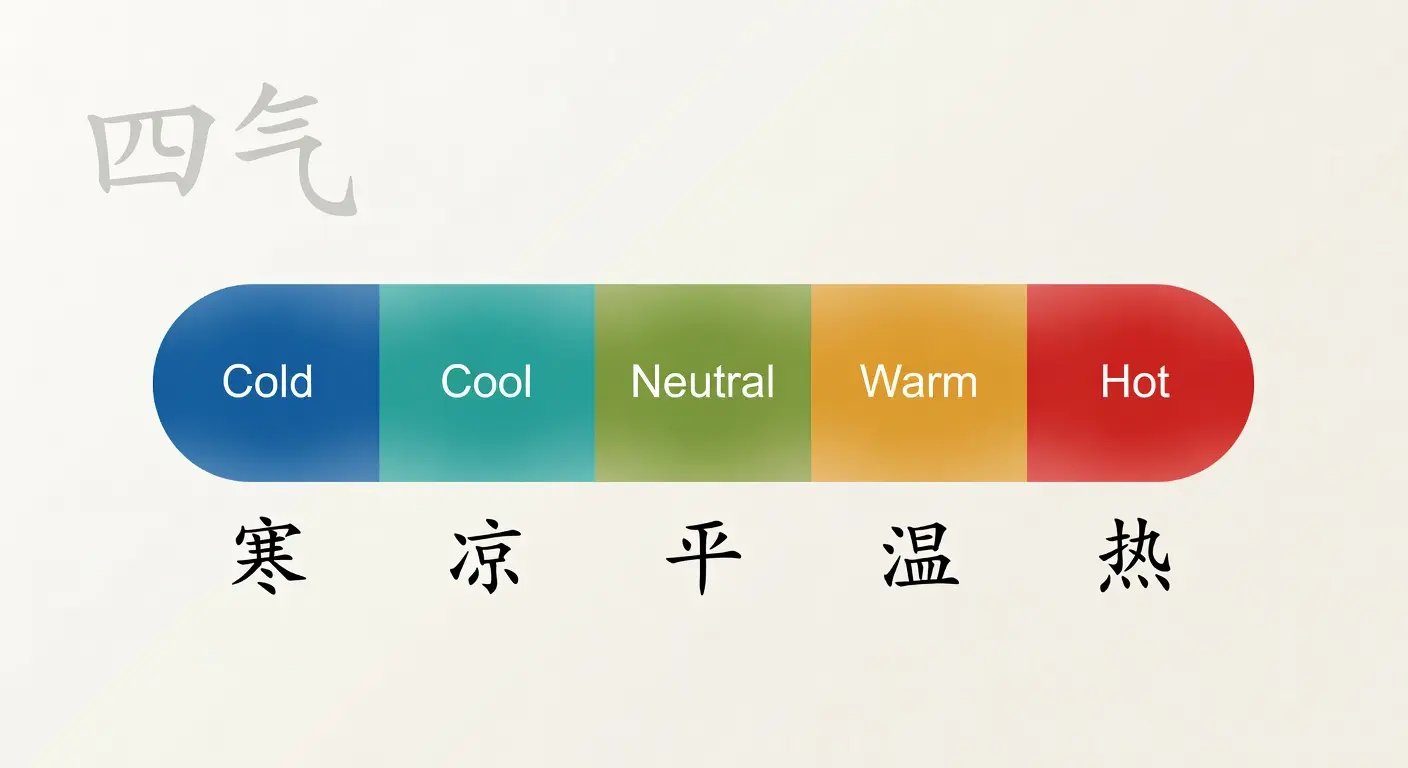
Thermal nature (性質) in TCM classifies foods according to their heating or cooling effect on the body. Discover the five natures and their applications.
Moxibustion (艾灸) is a heat therapy in TCM that uses mugwort to tonify Yang, warm Qi and disperse Cold. Discover its principles, indications and complementary dietary approaches.
Metal (金) in TCM corresponds to autumn, the Lung, the Large Intestine and the capacity to sort, receive and release. Discover its characteristics, dysfunctions and dietary approaches.
The extraordinary meridians (奇经八脉) in TCM are deep energy reservoirs that regulate the body's great balances. Discover their functions and applications.
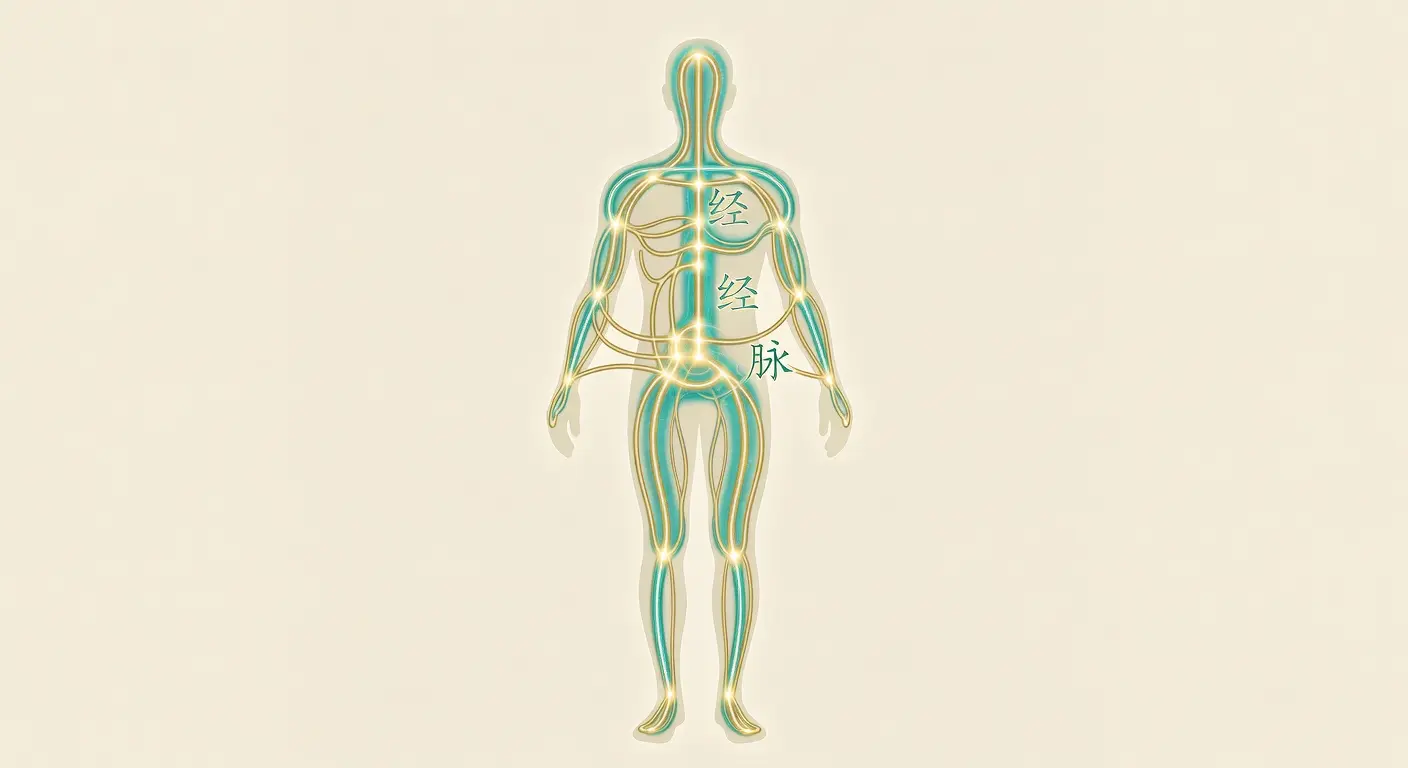
The meridians (经络) in TCM are the energy channels that transport Qi and Blood throughout the body. Discover their structure, functions and therapeutic approaches.
Jing (精) or Vital Essence constitutes the fundamental life reserve in TCM, determining growth, reproduction and longevity.
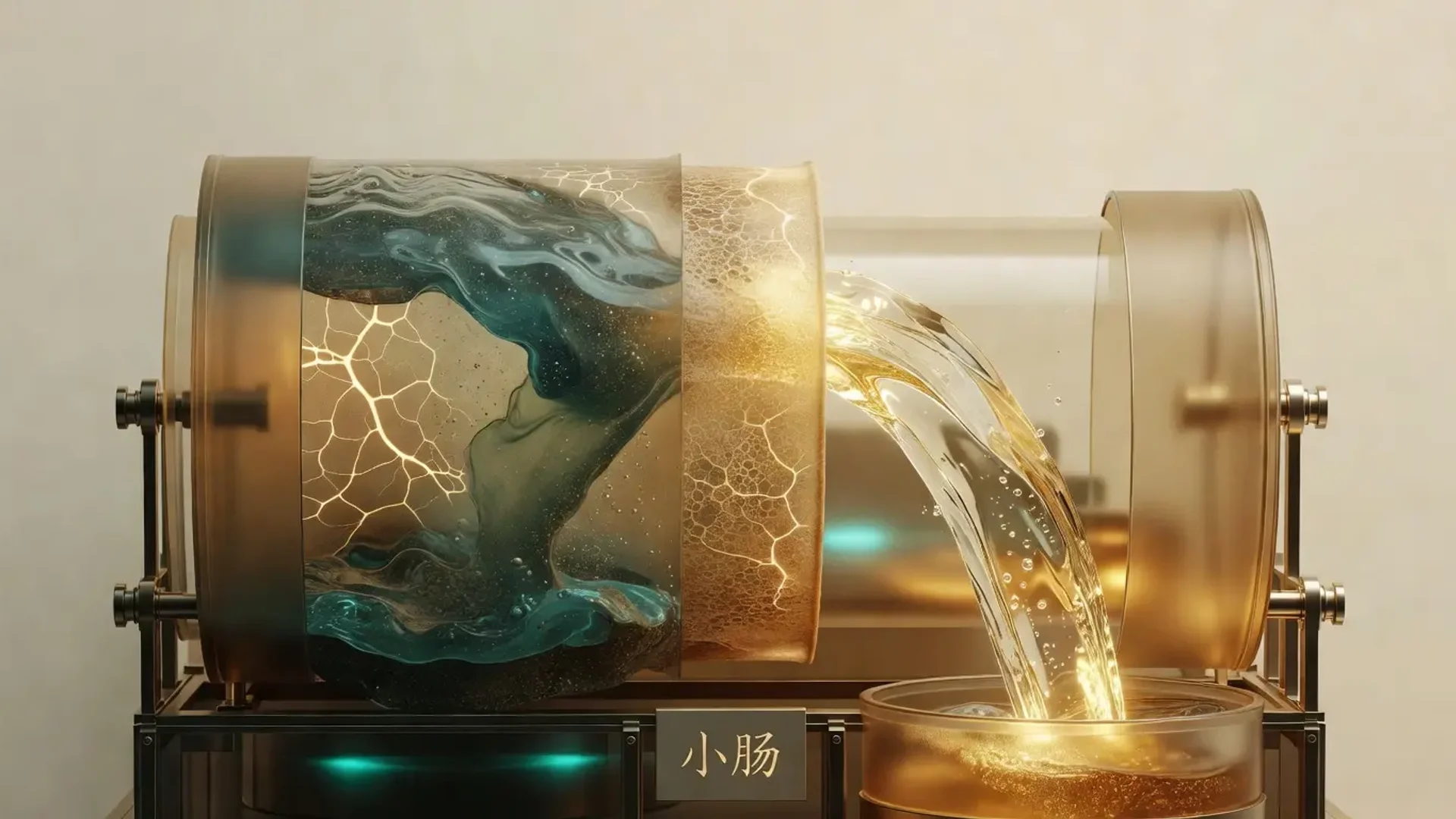
The Small Intestine (小肠) in TCM separates the pure from the impure of food, controls reception and transformation. Discover its functions, pathologies and dietary protocols.
Immunity in TCM relies on Wei Qi, Lung Qi and Kidney Qi. Discover dietary approaches and foods that strengthen natural defences.
Dampness (湿) in TCM accumulates in tissues and organs, causing heaviness, bloating and digestive upset. Discover its causes, signs and dietary approaches.
Harmonise (调和) in TCM refers to the action of restoring balance between organs, flavours, Qi movements and digestive functions. Discover its methods, indications and dietary approaches.
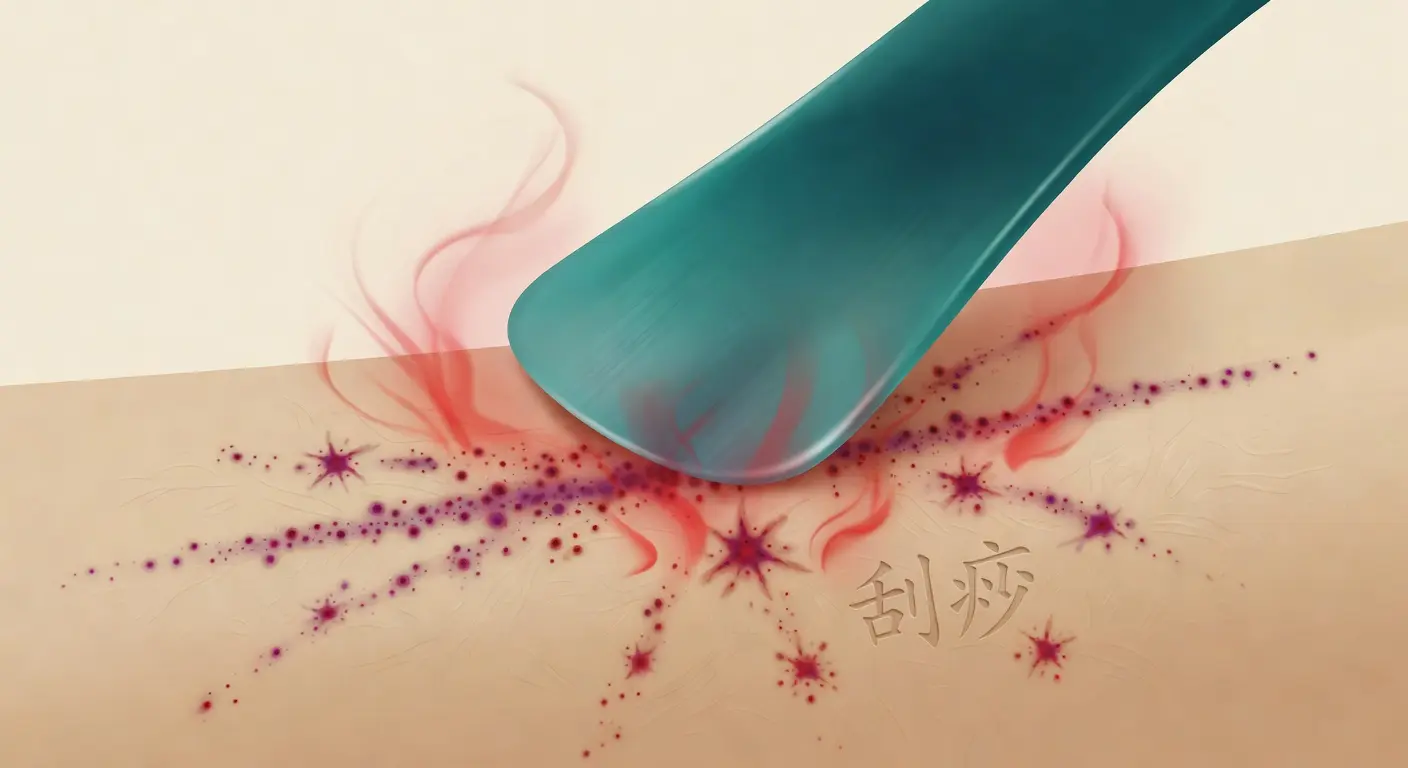
Gua Sha (刮痧) is a scraping therapy in TCM that releases external perversities, circulates Qi and Blood, and relieves pain. Discover its principles, indications and complementary dietary approaches.
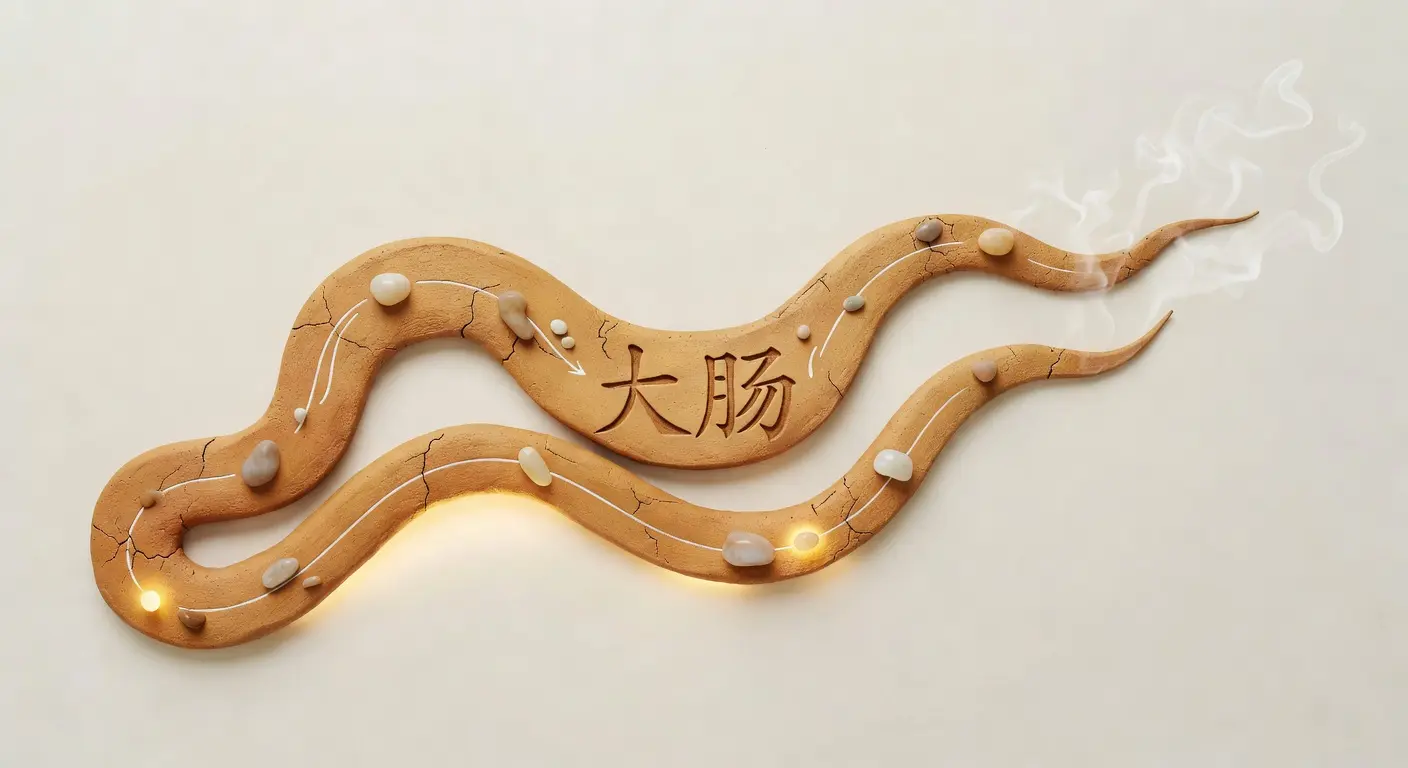
The Large Intestine (大肠) in TCM receives the impure from the Small Intestine, transforms waste into stools and eliminates it. Discover its functions, pathologies and dietary protocols.
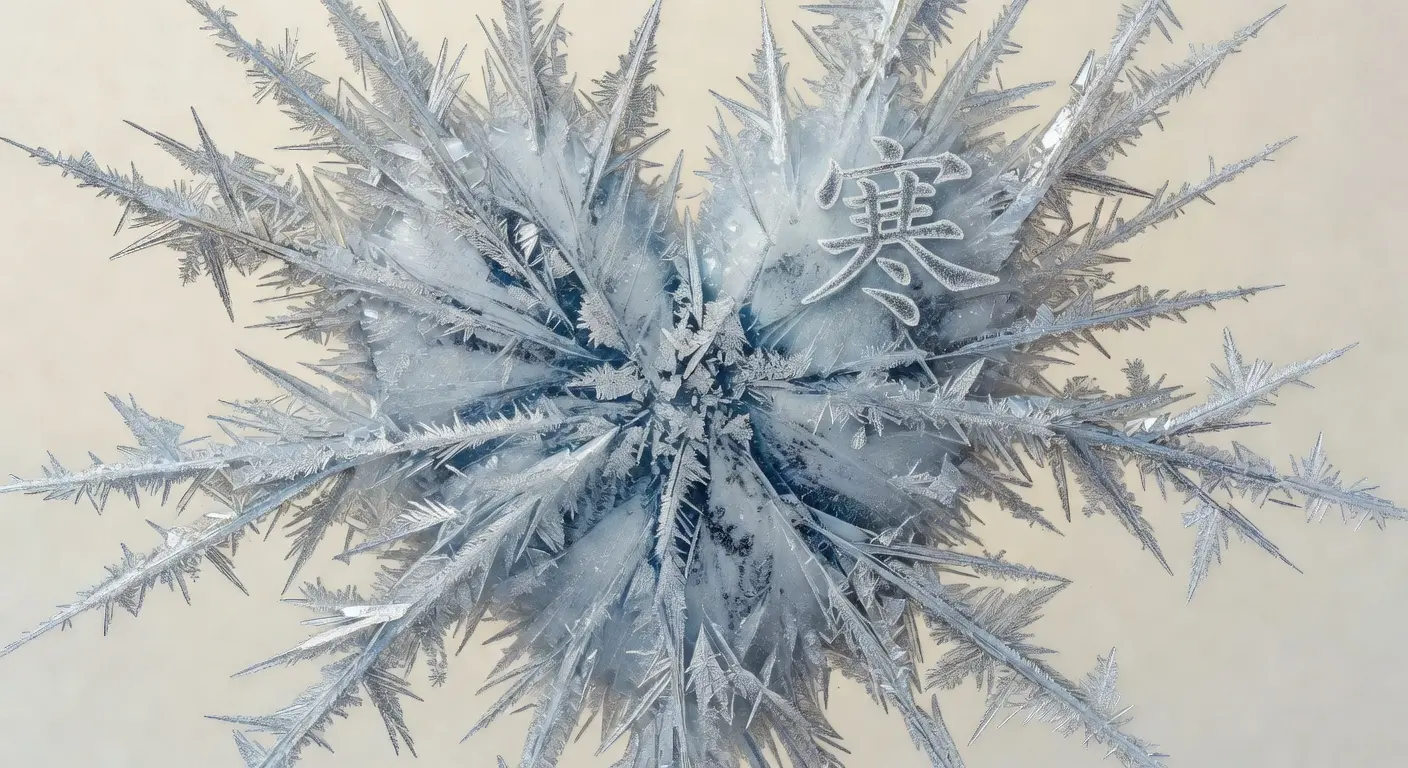
Cold (寒) in TCM contracts vessels, slows Qi and Blood circulation, and causes pain and cold intolerance. Discover its causes, signs and warming dietary approaches.
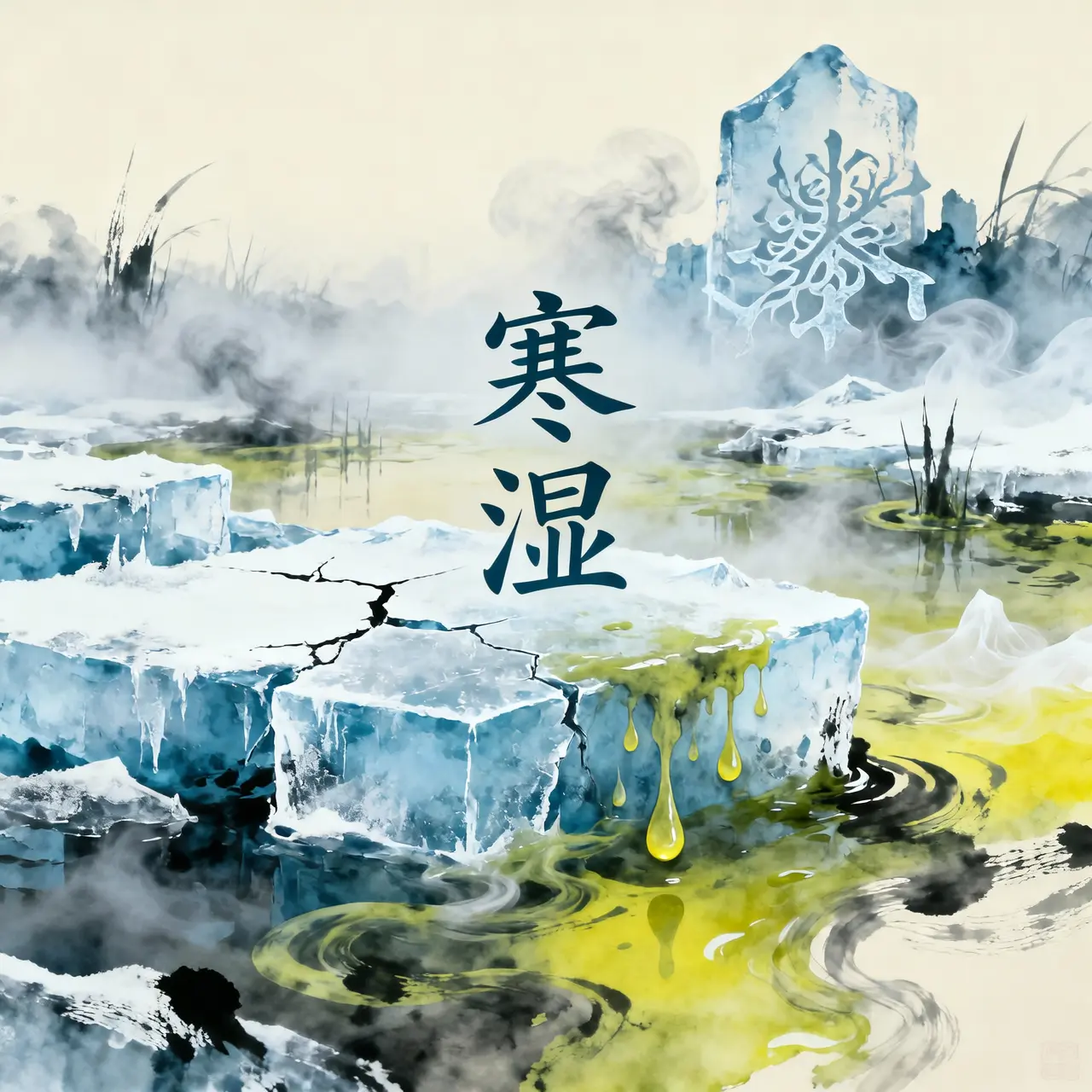
Cold-Dampness (寒湿) is a mixed external and internal pathogen in TCM that causes pain, heaviness and cold sensation. Discover its manifestations and dietary approaches.
One search across all of Yin Shi
Articles, food sheets, lessons, tests: everything comes up here. Try:
📚 Articles · 🍎 Foods · 🎓 Courses · 📗 Lessons · 📖 Books · 🧪 Tests · 🌸 Menopause · 🧭 Pages