Pillar
16 min read
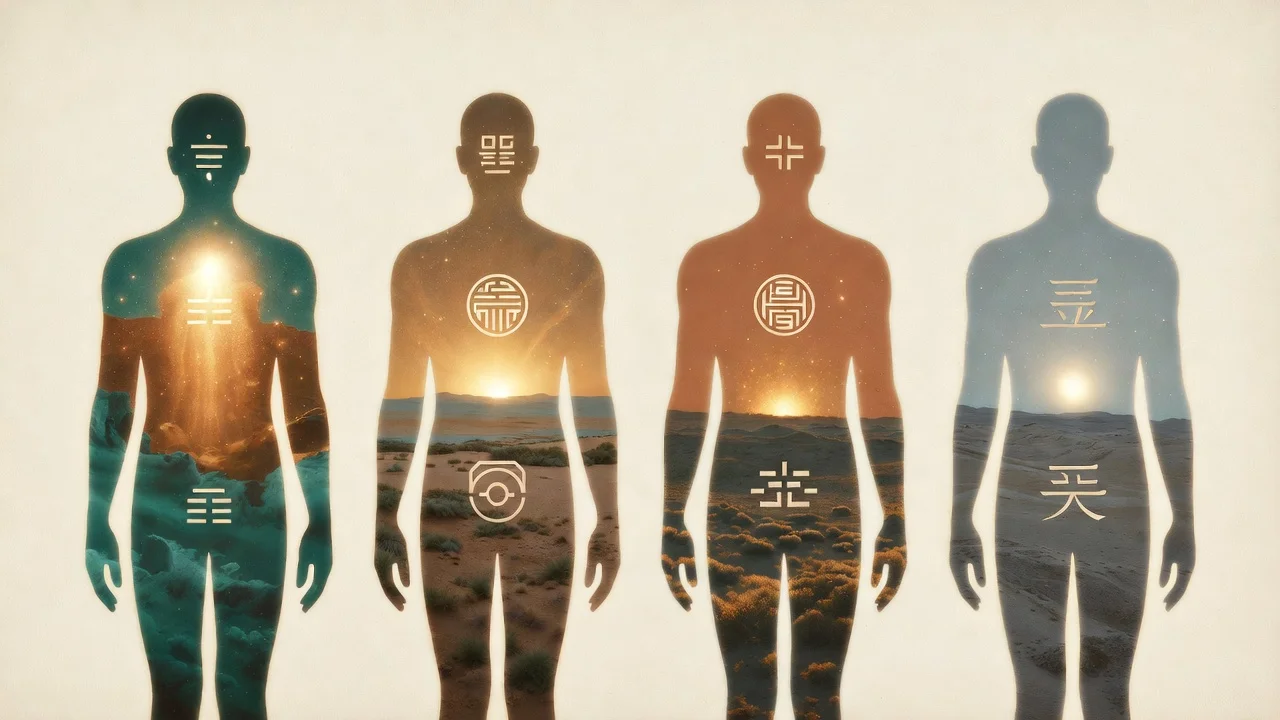
Sasang Constitutions: the 4 Types of Korean Medicine
Tae Yang, Tae Eum, So Yang, So Eum: the four Sasang constitutions of Korean medicine and what each type should favour on the plate.
Yin Shi Read article
Dive into the principles of Traditional Chinese Medicine and discover how food can transform your daily life.
47 articles
Tae Yang, Tae Eum, So Yang, So Eum: the four Sasang constitutions of Korean medicine and what each type should favour on the plate.
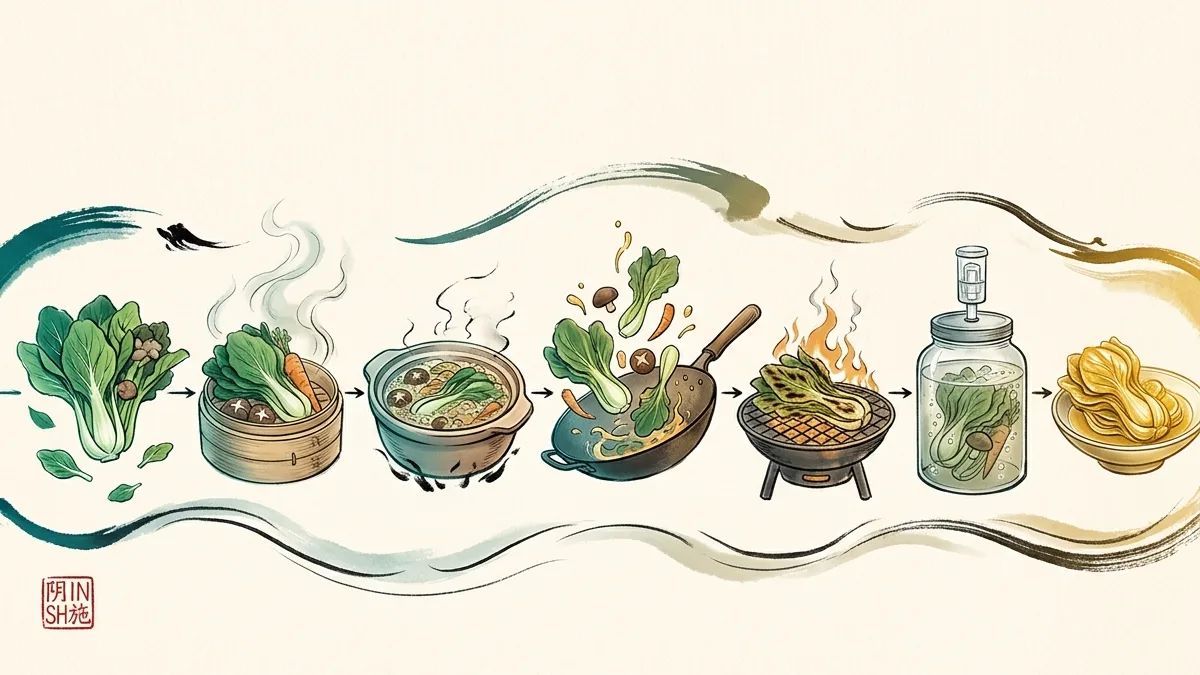
How each cooking method (steaming, braising, simmering, wok, grilling, fermentation, raw) transforms the energetic nature of food: the reference table of Chinese dietetics.

The founding concept of Shi Liao: the frontier between everyday food and food-medicine, the five categories (spices, mushrooms, tonic berries, seeds, marine produce), and the status of this prescription in France.

The energetic reading of the cycle: the Sea of Blood filling and emptying, the four Yin-Yang phases, and the foods that accompany each one.
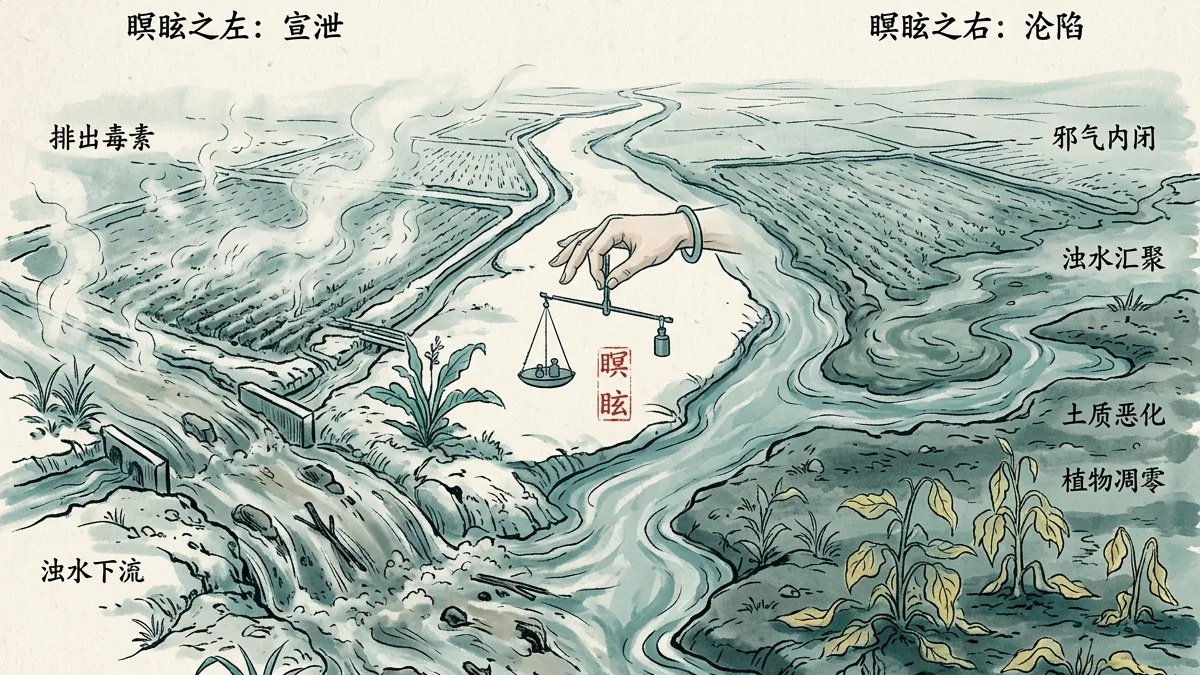
Distinguishing the healing crisis (the terrain purging) from genuine worsening and prescription error: the clinical triage of the unexpected reaction in Chinese medicine.

Qie Zhen, pulse palpation, the fourth examination of the Si Zhen: what the wrist says about the terrain, the eight fundamental pulses, and the mutual confirmation with the tongue.
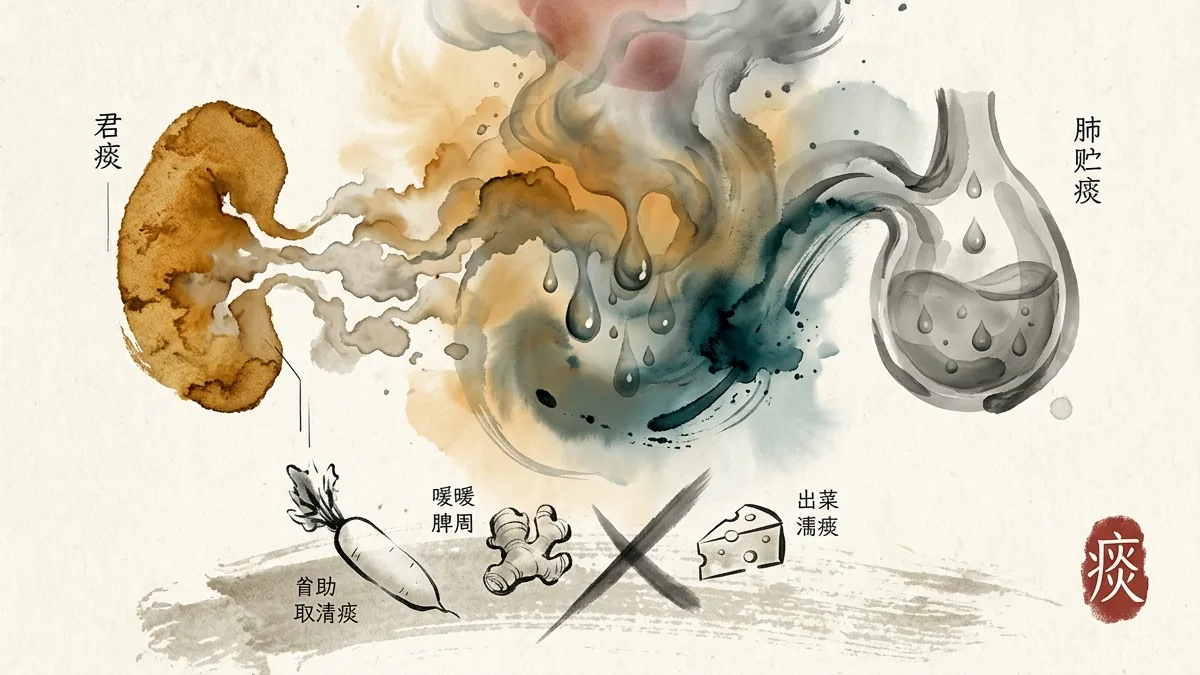
Phlegm as a pathogen in its own right: produced by the Spleen, stored in the Lung, capable of misting the Heart. Origin, signs and the dietary strategy for dissolving it.

The cross-cutting TCM reading of addiction: the Heart-Kidney deficiency that stirs the Shen, the compulsion to fill the void, and why every substance deepens the terrain it soothes.
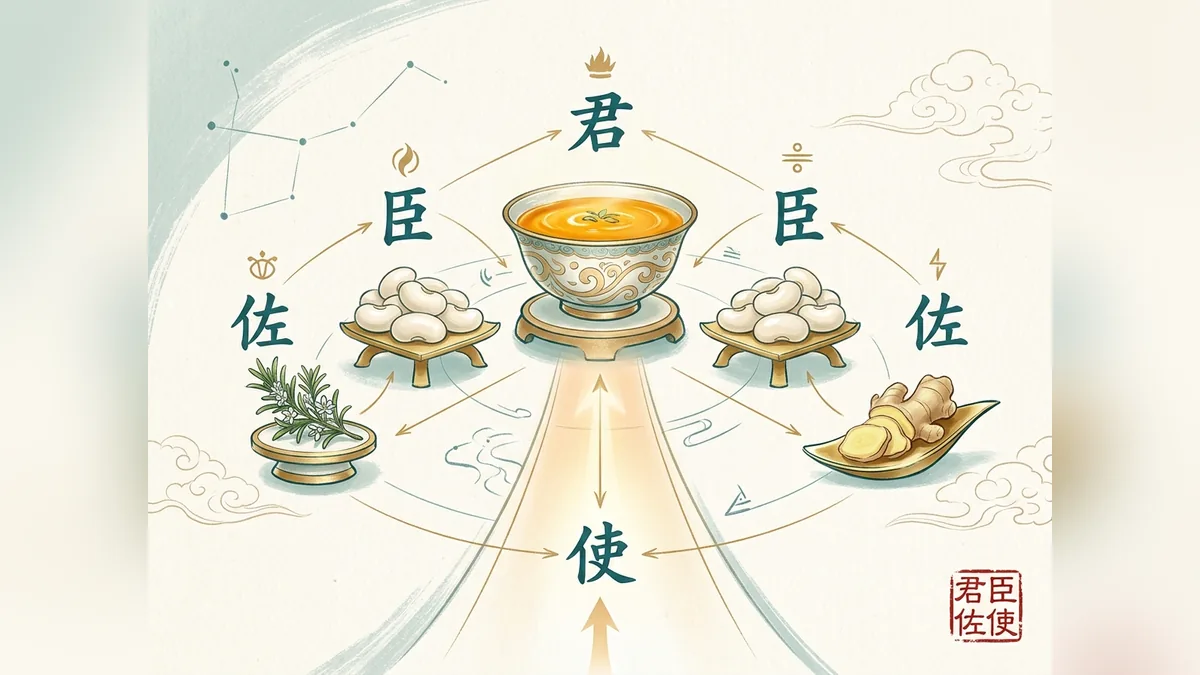
Jun-Chen-Zuo-Shi (君臣佐使): the four roles each ingredient plays in a Chinese formula, inherited from the pharmacopoeia. Why a formula is not a list.

Ayurveda and the Vata, Pitta, Kapha doshas: Indian dietetics by terrain, the six rasas, agni the digestive fire, and the systematic comparison with TCM patterns.
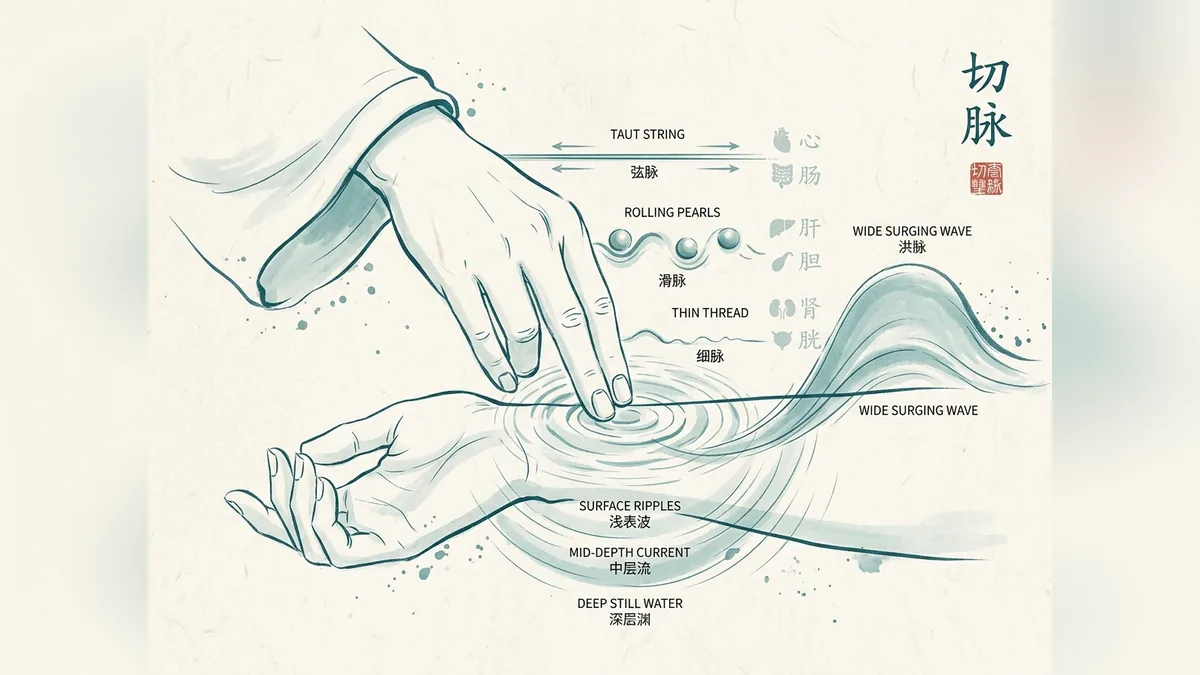
Cun, Guan, Chi: the three positions of the radial pulse, the organs they reflect, and the pulse qualities (floating, deep, rapid, slippery) the practitioner reads.
Western constitutional systems applied to diet: the 4 Hippocratic temperaments, French biotypology (Sigaud, Vannier), homoeopathic constitutions, Sheldon's somatotypes, and their convergence with TCM.
The vitalist tradition (Hippocrates, naturopathy) and its concept of vital force: what science confirms (enzymes, fermented foods, microbiome), what remains hypothesis (biophotons), and the parallel with Qi.

The face as a dashboard: the zonal map of the organs, the five diagnostic colours of the complexion, and the Ze/Ku rule (vitality matters more than colour).

Traditional Vietnamese medicine applied to cuisine: phở, cháo, fresh herbs and ferments, and the specificities that distinguish đông y from TCM.

Shi Ji: a hard belly after meals, sour breath, foul belching. The syndrome of the overloaded table, its modern causes, and the dissolving strategy.

The fourth property of foods in TCM: the direction in which they push the Qi. Ascending, descending, floating, sinking: treating Qi that runs the wrong way.

The Taijitu's history from Zhou Dunyi onwards, a layer-by-layer reading (circle, S-curve, dots), and what the symbol teaches the practitioner about balance.
One search across all of Yin Shi
Articles, food sheets, lessons, tests: everything comes up here. Try:
📚 Articles · 🍎 Foods · 🎓 Courses · 📗 Lessons · 📖 Books · 🧪 Tests · 🌸 Menopause · 🧭 Pages