In the fast-paced world of teenagers, juggling studies, friends, social networks and personal challenges can sometimes be exhausting. It is not uncommon for spirits to falter, giving way to persistent sadness, chronic fatigue or difficulty concentrating. These signs, much more than a simple bout of the blues, can indicate teenage depression, a major public health issue affecting a significant share of our young people, as the alarming statistics of the World Health Organization (WHO) reveal. But did you know the solution might lie directly on their plate? Omega-3s, often called “good fats”, are far more than simple nutrients: they are genuine allies for the brain and mood.
This article dives into the heart of the essential role of omega-3s, explaining why these fatty acids are crucial for teenagers’ mental health, how they act against depression and anxiety, and above all, how to integrate them easily into their daily diet. We will also explore other essential nutrients and complementary approaches to support young people’s mental wellbeing. Get ready to discover how these remarkable fats and a balanced diet can transform the wellbeing of our young people. If you want to lift your teenager’s spirits, keep reading and discover practical advice right now!
Understanding teenage depression: more than a simple bout of the blues
Depression in teenagers goes far beyond a passing bout of the blues. It shows up as a series of emotional symptoms (persistent sadness, intense irritability, loss of interest in previously enjoyed activities), physical symptoms (chronic fatigue, sleep problems, appetite changes) and cognitive symptoms (difficulty concentrating, declining school performance). These warning signs require particular attention, as depression is unfortunately the leading cause of illness among 15-19 year-olds. The figures are telling: 12 to 20 per cent of teenagers experience a depressive episode before the age of 18, with girls twice as affected after puberty. Factors such as excessive social-media use and an unbalanced diet can worsen the problem.
The teenage brain is a veritable construction site in full activity. The prefrontal cortex, responsible for decisions and emotional regulation, and the limbic system, involved in intense emotions, are still in full development. This remodelling period makes young people more sensitive to stress and emotional fluctuations. Hormones such as oestrogens, testosterone and cortisol (the stress hormone) also contribute to these emotional rollercoasters. Adequate nutrition and specific nutrients can support this complex process and help stabilise mood.
What are omega-3s?
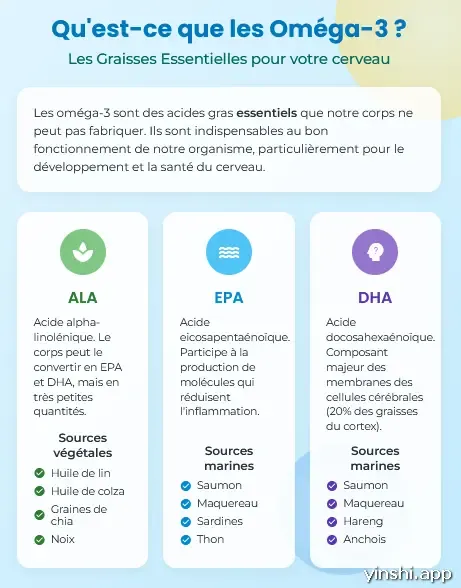
Omega-3s are a family of polyunsaturated fatty acids, essential to our health. The human body cannot manufacture them itself in sufficient quantities, hence the importance of obtaining them through diet. The three main types are alpha-linolenic acid (ALA), eicosapentaenoic acid (EPA) and docosahexaenoic acid (DHA).
ALA is found mainly in plants (flaxseeds, chia seeds, walnuts) and is a precursor of EPA and DHA, although conversion is limited. EPA and DHA, for their part, are abundant in seafood (oily fish). They play a fundamental role in the structure of cell membranes, particularly those of the brain and retina. Their action is crucial for proper neuronal functioning, the fluidity of neuronal membranes and communication between neurons. They also take part in the regulation of inflammation, vital processes for psychological wellbeing.
The crucial link between omega-3s and the teenage brain
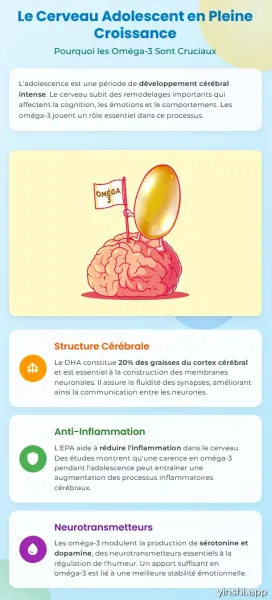
As mentioned, the teenage brain is in full ferment, going through a period of intense development and remodelling. Omega-3s, particularly DHA, are major structural components of neuronal membranes. A deficiency can therefore affect the fluidity of these membranes and communication between neurons. DHA is particularly abundant in the brain areas associated with memory, attention and problem-solving, cognitive functions essential for teenagers.
These fatty acids are also recognised for their powerful anti-inflammatory properties. Chronic inflammation is increasingly associated with various mental health disorders, including depression and anxiety. By reducing inflammation in the brain, omega-3s can help protect neurons and foster an environment conducive to healthy brain function. They act as true shields, protecting the brain from internal and external assaults that can harm emotional balance.
Omega-3s and teenage depression: the science speaks
Numerous studies have explored the link between omega-3 intake and mental health, with promising results for teenagers. Adequate levels of EPA and DHA have been shown to help modulate neurotransmitters such as serotonin and dopamine, often involved in mood regulation. Serotonin, nicknamed the happiness hormone, plays a key role in regulating mood, sleep and appetite, while dopamine is associated with motivation and pleasure. An imbalance in these neurotransmitters can lead to depressive symptoms. Omega-3s help optimise their production and efficacy.

Research suggests that insufficient omega-3 consumption is more frequent in people suffering from depression. Integrating these fatty acids into the diet or via supplements (under medical supervision) can reduce the severity of depressive symptoms in teenagers, and even play a preventive role. This underlines the importance of a diet rich in these essential nutrients during this period of heightened vulnerability. They can also improve the response to conventional treatments, offering a promising complementary approach.

How to integrate omega-3s into teenagers’ diets?

Convincing teenagers to eat healthily can be a challenge, but incorporating omega-3s is simpler than it seems. The trick is to bet on variety, flavour and discreet integration into their favourite dishes.
Marine sources
Oily fish are the champions of omega-3s (EPA and DHA). Salmon, mackerel, sardines, herring and anchovies are excellent options. Aim for two portions of oily fish per week. Oven-grilled salmon with herbs, homemade mackerel rillettes on wholemeal bread, or simple sardines in olive oil on toast are good alternatives for the most reluctant. Oily fish can be integrated into pasta, salads or even wraps to vary the pleasures.
Plant sources
For vegetarians, vegans or those who don’t like fish, plant sources of ALA are crucial. Flaxseeds (ground for better absorption), chia seeds, walnuts and rapeseed oil are good sources. They can easily be added to yoghurts, smoothies, salads, breakfast cereals or even as a topping on soups. Flaxseed oil can also be used in dressings, but must not be heated, to preserve its properties. Hemp seeds are also an excellent source of ALA.
Simple recipe ideas
- Energising smoothie: Blend berries (blueberries, raspberries), Greek or plant yoghurt, and a tablespoon of chia or ground flaxseeds. Add a banana for creaminess and stable energy.
- Tuna and avocado salad: A revisited classic with avocado chunks (rich in good fats too!) and a touch of fresh parsley. Add chickpeas for fibre and protein.
- Energy bites: Mix oat flakes, peanut butter (natural, no added sugar), honey and chia seeds. Roll into small balls and refrigerate for a quick, nutritious snack.
- Pasta with walnut pesto: Replace part of the basil with walnuts in your homemade pesto for an omega-3 boost and an original flavour.
- Sardines on toast: A quick, nutritious snack rich in omega-3s for a healthy nibble. Choose whole sardines in extra-virgin olive oil and serve on wholemeal bread.
- Quinoa-vegetable bowl: A base of quinoa, roasted vegetables (broccoli, sweet potato), a drizzle of rapeseed oil and pumpkin seeds for a crunchy touch.
- Avocado-chicken/tofu wrap: A wholemeal tortilla filled with mashed avocado, grilled chicken or marinated tofu, rocket and a few flaxseeds.

Beyond omega-3s: key nutrients for teenagers’ mental health
If omega-3s are stars, they are not the only allies of mood. The brain, that complex engine, needs varied, quality fuel. A holistic approach to diet is essential to support teenagers’ mental health.
B vitamins: the queens of your mental energy
B vitamins (B6, B9 or folate, B12) are essential cofactors in the production of neurotransmitters and the transformation of food into energy. A deficiency can cause fatigue, irritability and worsen depressive symptoms. They are found in eggs, green leafy vegetables (spinach, broccoli), pulses (lentils, chickpeas), wholegrains and lean meats. A bowl of spinach and a boiled egg for breakfast is an excellent way to start the day.
Magnesium: the anti-stress mineral for teens
Magnesium is an indispensable mineral for more than 300 enzymatic reactions in the body, including those that regulate stress and mood. Teenagers, often subject to school stress and hormonal changes, frequently lack it. A deficiency can show up as anxiety, sleep problems and an exacerbation of depressive symptoms. Dark chocolate (70% and above), almonds, bananas, pumpkin seeds and avocados are excellent sources of magnesium. A small snack of a few almonds can work wonders during exam time.
The microbiome: your bacteria, your mental allies
Did you know that 90 per cent of serotonin is produced in the gut? There is a close link, often called the gut-brain axis, between the health of your intestinal microbiome and your mood. An imbalance in the gut flora can affect neurotransmitter production and increase inflammation, thus contributing to stress and depression. To nourish your good bacteria, favour fibre-rich foods (vegetables, fruit, wholegrains) and fermented foods such as plain yoghurt, kefir or sauerkraut.
Water and the brain: hydrate to smile
Water is life, and for your brain too! Even mild dehydration can cause fatigue, headaches, reduced concentration and worsen depression. The brain is nearly 80 per cent water. It is crucial to drink enough throughout the day to support cognitive functions and mood. Encourage teenagers to always have a water bottle within reach, to drink fruit-infused water, and to limit fizzy and sugary drinks, which can paradoxically dehydrate.
Sugar: friend or foe of your mood?
Sweets, fizzy drinks and other sugary products can give an immediate boost, but beware the crash! Refined sugar causes blood sugar spikes followed by brutal drops, which can affect mood, increase irritability and even worsen depressive symptoms. Moreover, excessive sugar consumption promotes inflammation in the body. Favour fresh fruit, honey or maple syrup in small quantities to satisfy sweet cravings, and read labels to track down hidden sugars in processed foods.
A champion’s breakfast: boost your day
Breakfast is the most important meal of the day, especially for teenagers who need energy to study and grow. Skipping breakfast or opting for overly sweet options can lead to a mid-morning drop in energy and concentration, affecting mood. A balanced breakfast, rich in protein, fibre and good fats, stabilises blood sugar and provides lasting energy. Think of a bowl of oats with berries and walnuts, Greek yoghurt with chia seeds, or scrambled eggs with vegetables.
Conclusion: an essential investment in young people’s wellbeing
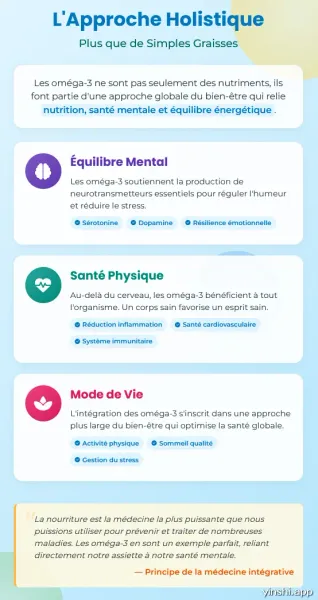
Teenagers’ mental wellbeing is a priority, and diet plays a fundamental role in this delicate balance. Omega-3s, with their structural properties for the brain and their anti-inflammatory action, are indispensable allies for preventing and alleviating the symptoms of depression and anxiety. By integrating them regularly via oily fish, seeds and nuts, we offer our young people powerful tools for a healthy brain and stable mood.
But the approach must not be limited to omega-3s. A varied and balanced diet, rich in B vitamins, magnesium, fibre for a healthy microbiome, and adequate hydration, helps create an optimal environment for cognitive and emotional development. Avoiding excess refined sugars and favouring structured meals, notably a balanced breakfast, are simple but effective gestures. By teaching teenagers to make informed choices, we equip them to manage stress, improve their concentration and cultivate a positive mood. It is a long-term investment in their health, their happiness and their success.
Frequently asked questions (FAQ)
Which are the best fish for omega-3s?
Oily fish such as salmon, mackerel, sardines, herring and anchovies are the richest in EPA and DHA. Two portions per week are recommended.
Are omega-3 supplements necessary for teenagers?
Ideally, omega-3s should come from the diet. If intake is insufficient (for example, in case of an aversion to fish), supplements can be considered, but always on the advice and under the supervision of a health professional.
How do you know if a teenager lacks omega-3s?
Signs of deficiency can include dry skin, brittle hair, concentration problems, increased irritability or persistent fatigue. A nutritional assessment with a professional can help identify a deficiency.
Can eating healthily really improve depression?
Yes, a balanced diet rich in essential nutrients can considerably support mental health and reduce the severity of depressive symptoms. It works in synergy with other approaches (therapy, physical activity) for overall wellbeing.
What are the most effective plant sources of omega-3?
Flaxseeds (ground), chia seeds, walnuts and rapeseed oil are excellent sources of ALA. Although conversion to EPA and DHA is limited, they remain important and should be consumed regularly for plant-based intake.
Glossary
- Polyunsaturated fatty acids: Essential fats that the body cannot produce and that must be obtained through diet.
- ALA (alpha-linolenic acid): A type of omega-3 found mainly in plant sources.
- DHA (docosahexaenoic acid): A type of omega-3 crucial for the structure and function of the brain, abundant in oily fish.
- EPA (eicosapentaenoic acid): A type of omega-3 with anti-inflammatory properties, abundant in oily fish.
- Gut microbiome: The set of micro-organisms (bacteria, yeasts) residing in the intestine and playing a key role in digestion, immunity and mental health.
- Neurotransmitters: Chemical substances produced by the brain that transmit signals between neurons, influencing mood, sleep, appetite and more (e.g. serotonin, dopamine).
- Chronic inflammation: A prolonged immune-system response that can be linked to various diseases, including mood disorders.

Article written by Yin Shi with the collaboration of mental health experts. Sources: studies published in the Journal of the American Academy of Child and Adolescent Psychiatry, WHO data and principles of nutritional psychiatry. In case of psychological distress, contact the Samaritans on 116 123 (UK, 24/7), the 988 Suicide and Crisis Lifeline (US), or a mental health professional.
To go further
Yin Shi ecosystem resources directly related to this article.
Is your morale short on fats?
The PHQ-9 questionnaire spots the depressive signs omega-3s can support.
Take the test →Omega-3s, the fats of morale
The lesson details the omega-6/omega-3 ratio and prescribing essential fatty acids.
Take the lesson →