TCM Glossary
4 min read
Zong Qi (宗气) - Chest Qi and Respiration in Traditional Chinese Medicine
Zong Qi (宗气) is the chest Qi that supports respiration, voice, blood circulation and cardiac strength in TCM.
Yin Shi Read article
Dive into the principles of Traditional Chinese Medicine and discover how food can transform your daily life.
69 articles
Zong Qi (宗气) is the chest Qi that supports respiration, voice, blood circulation and cardiac strength in TCM.
Ying Qi (营气) is the nutritive Qi that circulates in the blood vessels with Blood, nourishing the organs and tissues in TCM.
Yin (阴) represents matter, fluids, coolness and rest in TCM. Discover its functions, pathologies and dietary protocols to nourish it.
Yang (阳) represents heat, movement, transformation and vital impetus in TCM. Discover its functions, pathologies and dietary protocols to support it.
Wei Qi (卫气) is the defensive Qi that circulates on the body's surface, defends against external aggression and regulates skin temperature in TCM.
Yin Deficiency (阴虚) manifests as hot flushes, thirst and agitation in TCM. Discover its causes, signs and dietary protocols that nourish Yin.

Yang Deficiency (阳虚) manifests as internal cold, cold intolerance and slow digestion in TCM. Discover its causes, signs and warming dietary protocols.
Shen deficiency (神虚) in TCM is the weakening of spirit and psyche, linked to Heart Blood or Yin deficiency. Discover its manifestations and supporting dietary approaches.
Blood Deficiency (血虚) manifests as pallor, dizziness, fatigue and menstrual cycle troubles in TCM. Discover its causes, signs and dietary tonification protocols.
Kidney deficiency (肾虚) in TCM designates an insufficiency of the body's deep reserves. Discover its causes, manifestations and dietary and therapeutic approaches.
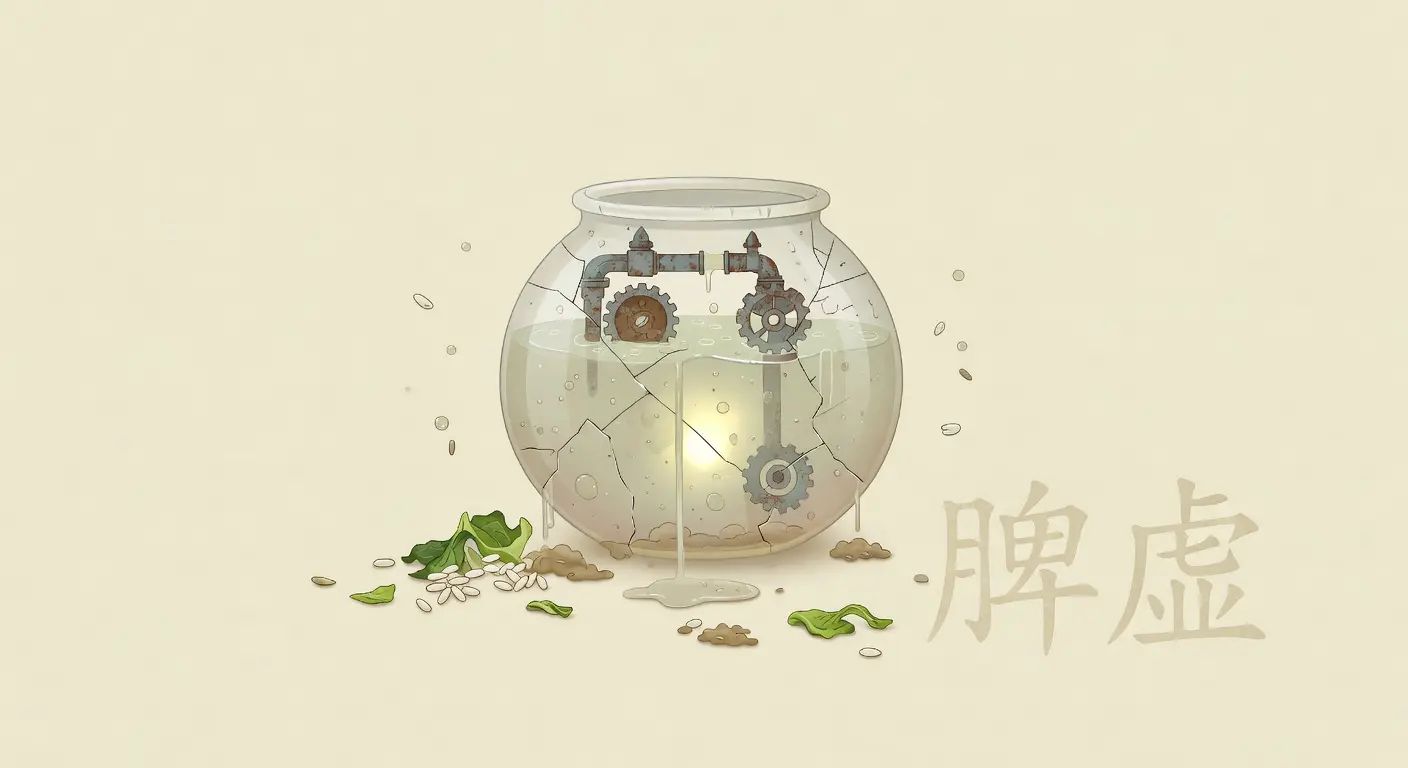
Spleen deficiency (脾虚) in TCM designates an insufficiency of the Spleen's transforming and transporting function. Discover its causes, manifestations and dietary and therapeutic approaches.
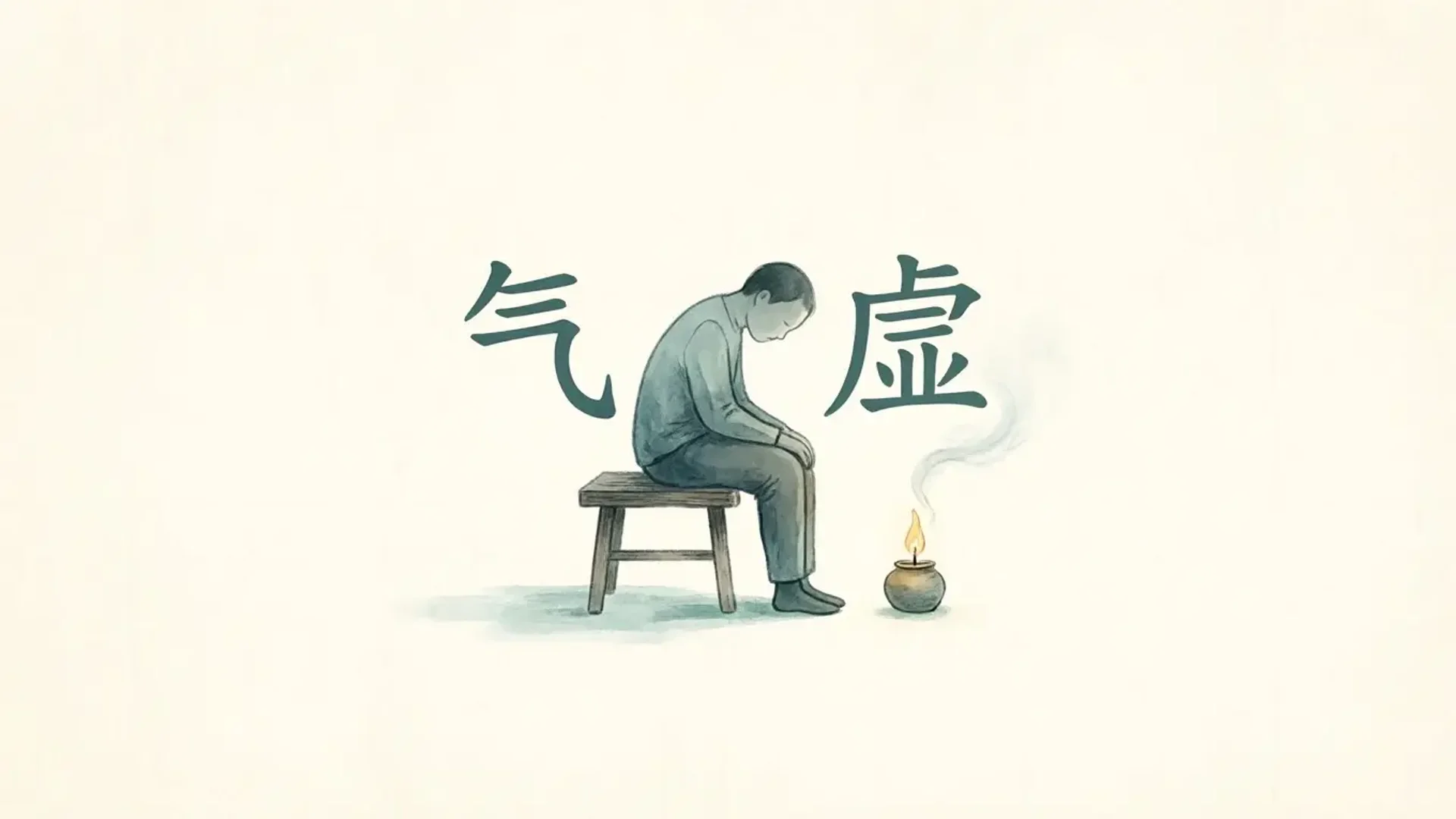
Qi Deficiency (气虚) is the most common syndrome in TCM, manifesting as fatigue, breathlessness and lowered immunity. Discover its causes, signs and dietary approaches.
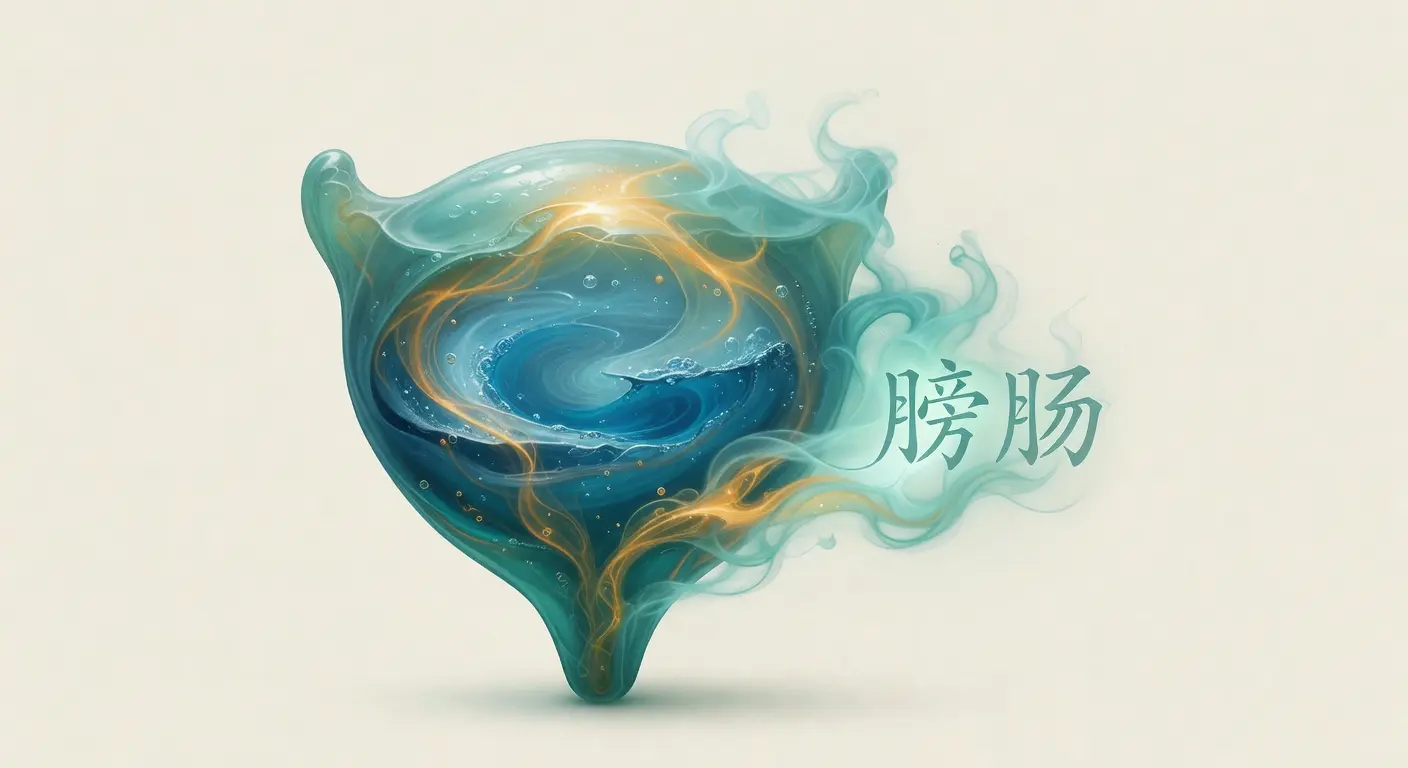
The Bladder (膀胱) in TCM stores urine, eliminates it and coordinates with the Kidney for fluid management. Discover its functions, pathologies and dietary protocols.
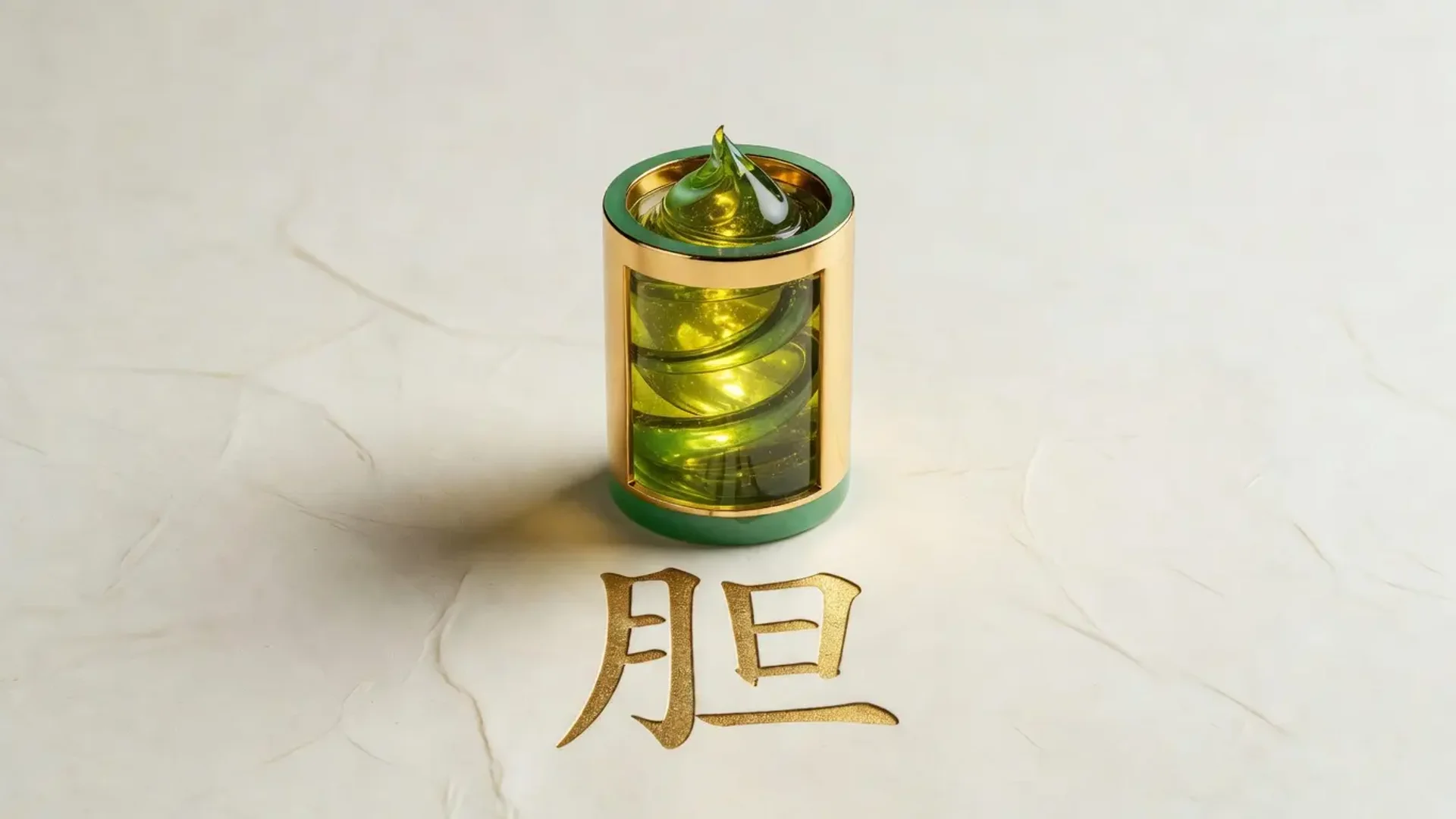
The Gall Bladder (胆) in TCM stores and concentrates bile, governs courage and decisions. Discover its functions, pathologies and dietary protocols.
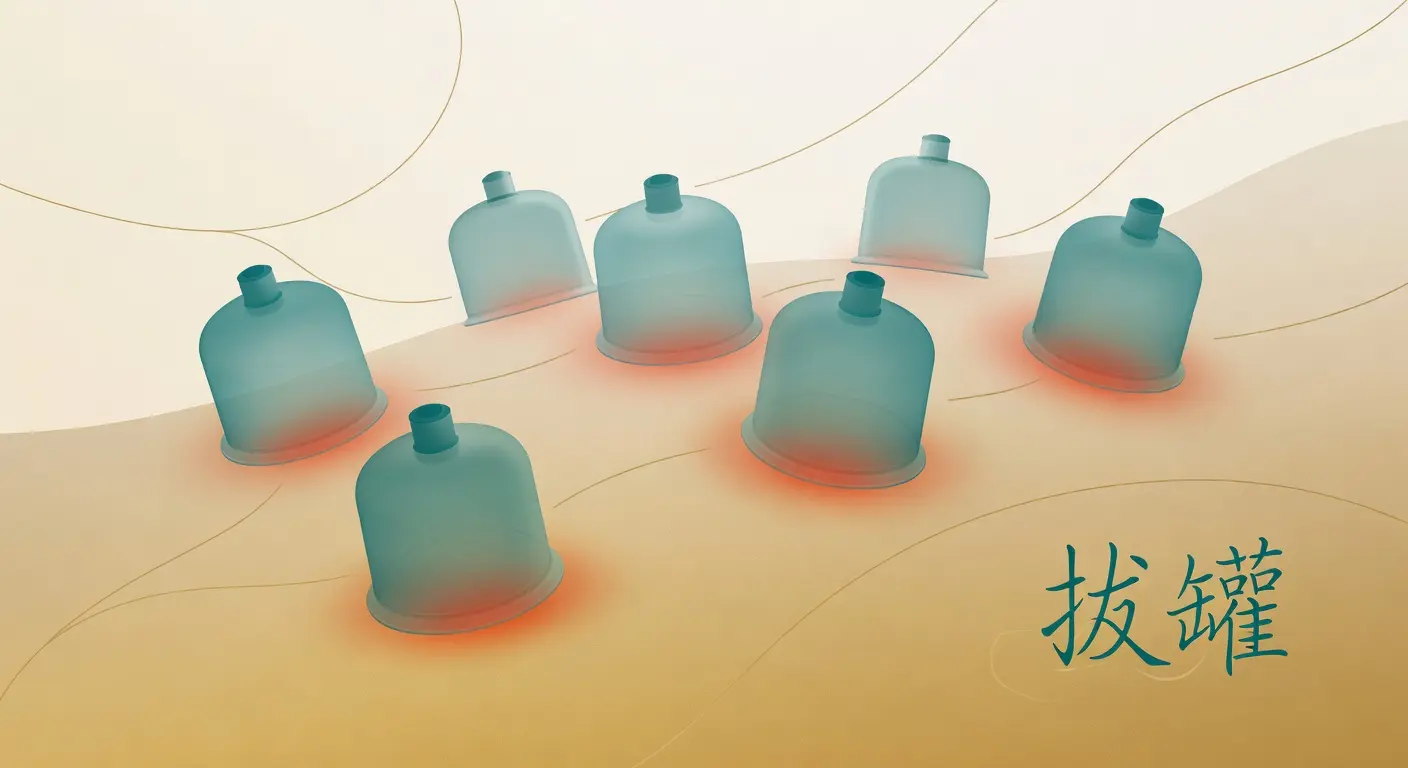
Cupping therapy (拔罐) is a suction therapy in TCM that circulates Qi and Blood, clarifies Heat and relieves pain. Discover its principles, indications and complementary dietary approaches.
Wind (风) in TCM is the leader of pernicious influences, mobile and changing, causing headaches, itching and trembling. Discover its causes, signs and dietary approaches.
Wind-Dampness (风湿) is a mixed external pathogenic factor in TCM that causes joint pain, heaviness and circulation troubles. Discover its manifestations and dietary approaches.
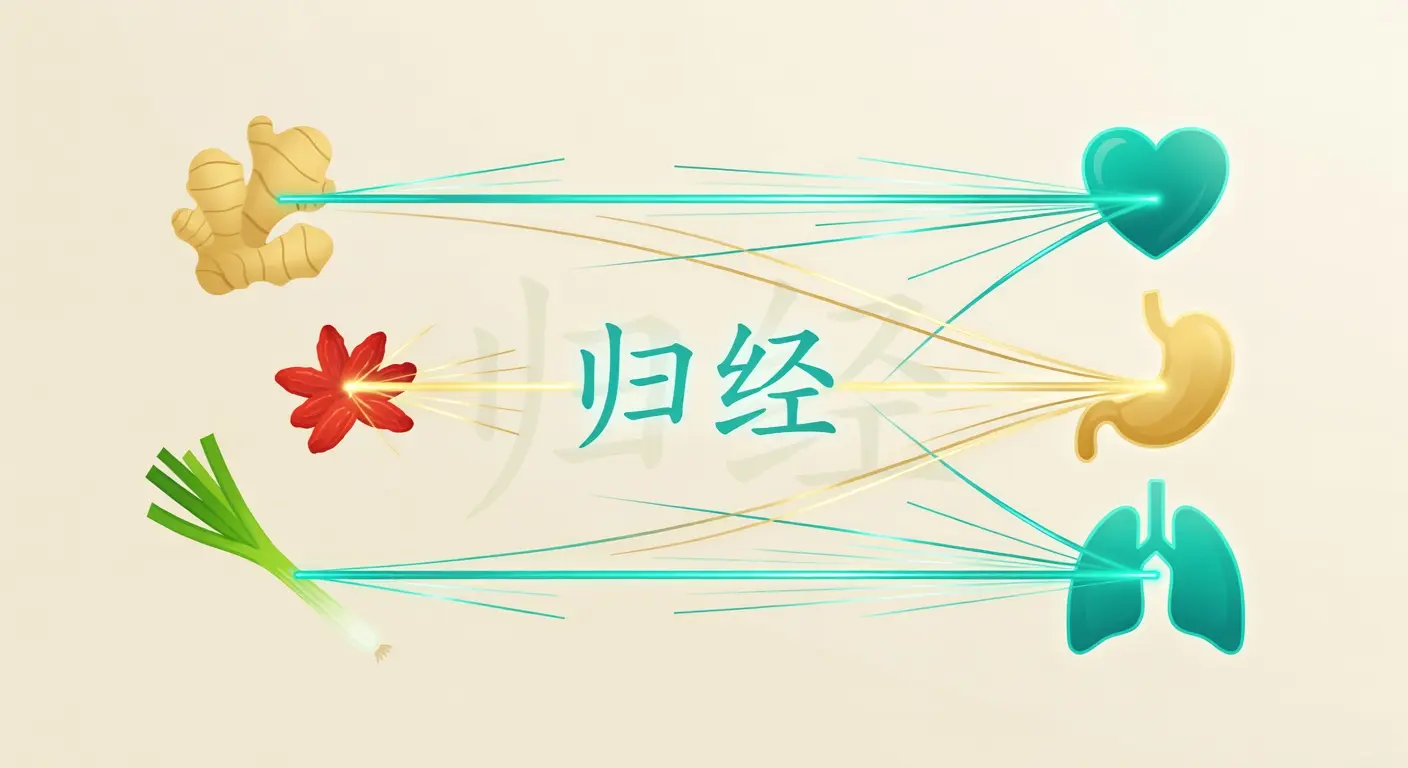
Tropism (归经) in TCM designates the specific affinity of a food for a meridian and organ. Discover how foods specifically target Zang-Fu organs.
Search the encyclopaedia...