Jing (精) - Vital Essence and Foundation of Reproduction in Traditional Chinese Medicine
Jing (精) or Vital Essence constitutes the fundamental life reserve in TCM, determining growth, reproduction and longevity.
Dive into the principles of Traditional Chinese Medicine and discover how food can transform your daily life.
Jing (精) or Vital Essence constitutes the fundamental life reserve in TCM, determining growth, reproduction and longevity.
The Small Intestine (小肠) in TCM separates the pure from the impure of food, controls reception and transformation. Discover its functions, pathologies and dietary protocols.
Immunity in TCM relies on Wei Qi, Lung Qi and Kidney Qi. Discover dietary approaches and foods that strengthen natural defences.
Dampness (湿) in TCM accumulates in tissues and organs, causing heaviness, bloating and digestive upset. Discover its causes, signs and dietary approaches.
Harmonise (调和) in TCM refers to the action of restoring balance between organs, flavours, Qi movements and digestive functions. Discover its methods, indications and dietary approaches.
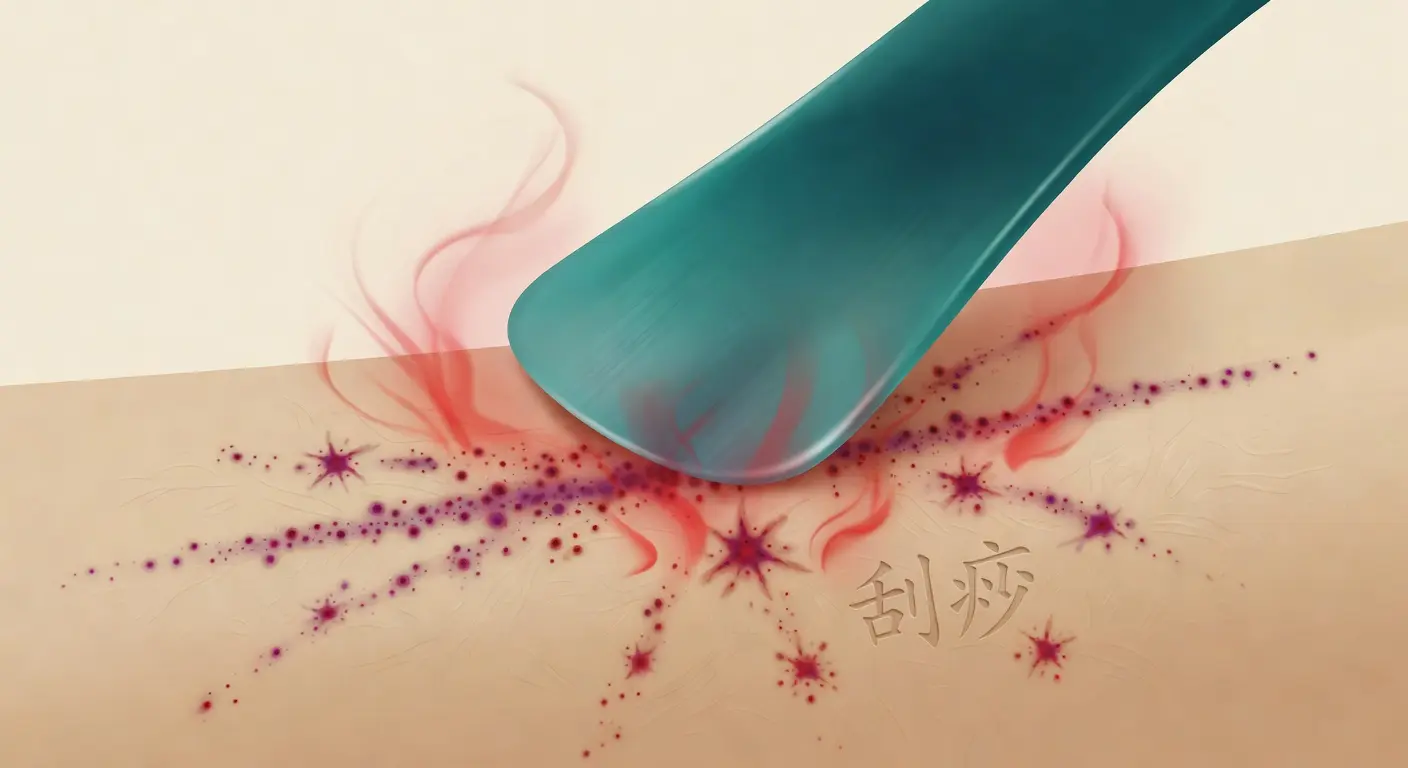
Gua Sha (刮痧) is a scraping therapy in TCM that releases external perversities, circulates Qi and Blood, and relieves pain. Discover its principles, indications and complementary dietary approaches.
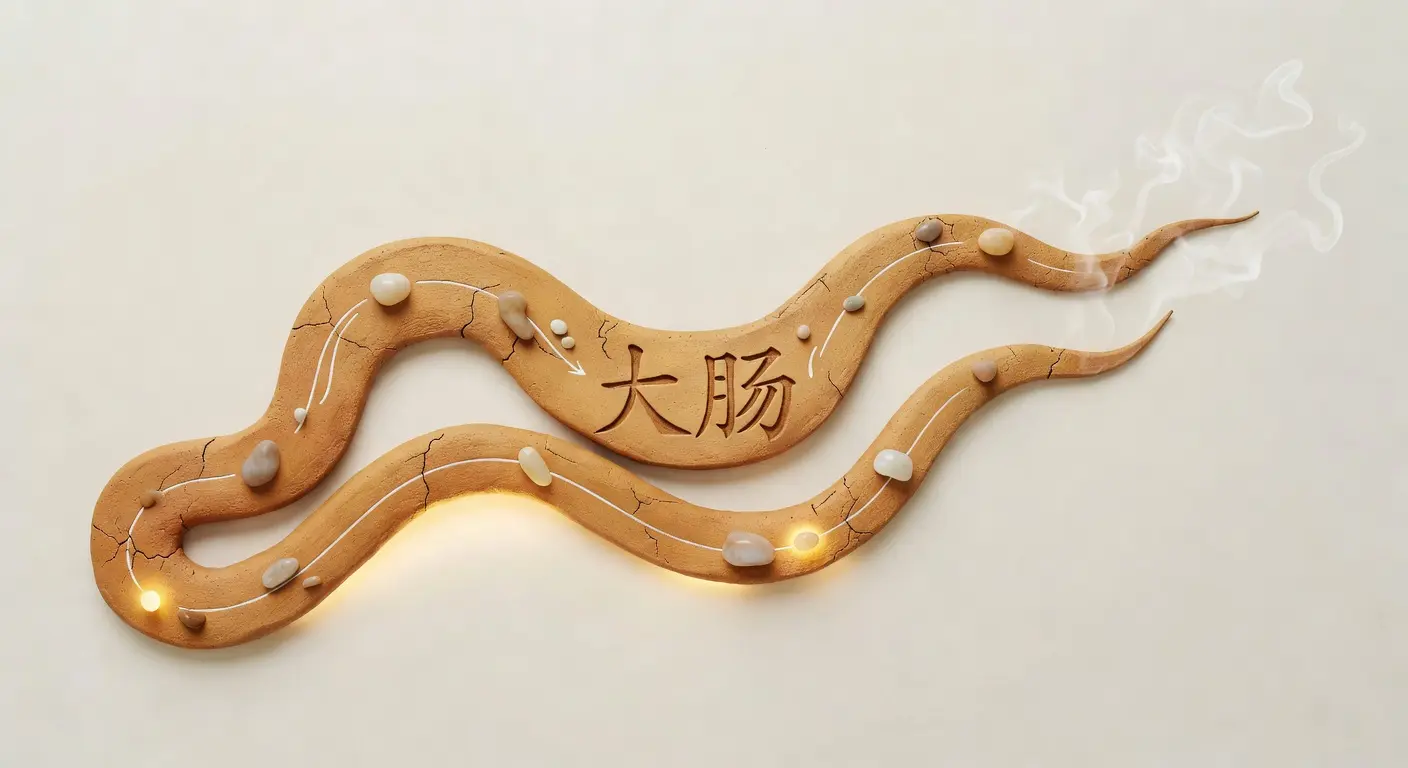
The Large Intestine (大肠) in TCM receives the impure from the Small Intestine, transforms waste into stools and eliminates it. Discover its functions, pathologies and dietary protocols.
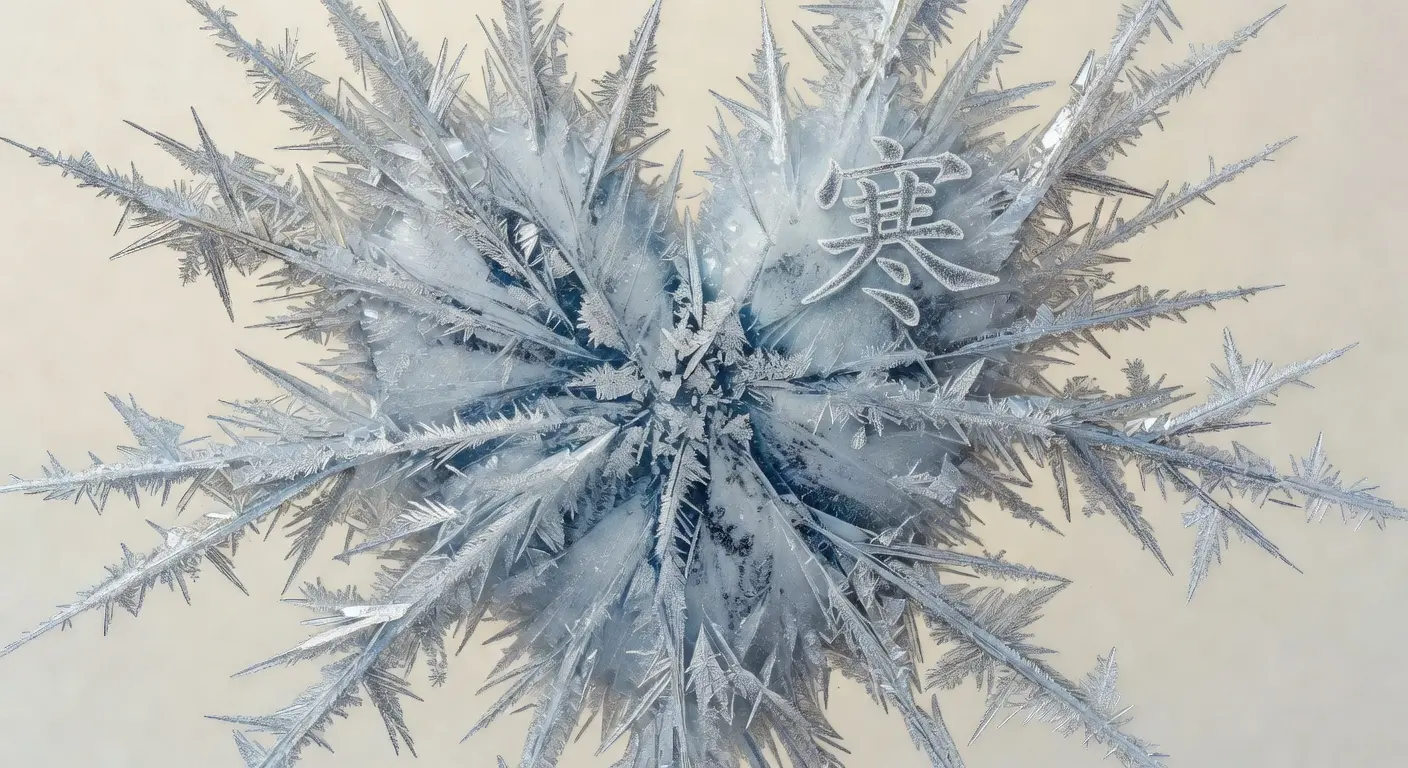
Cold (寒) in TCM contracts vessels, slows Qi and Blood circulation, and causes pain and cold intolerance. Discover its causes, signs and warming dietary approaches.
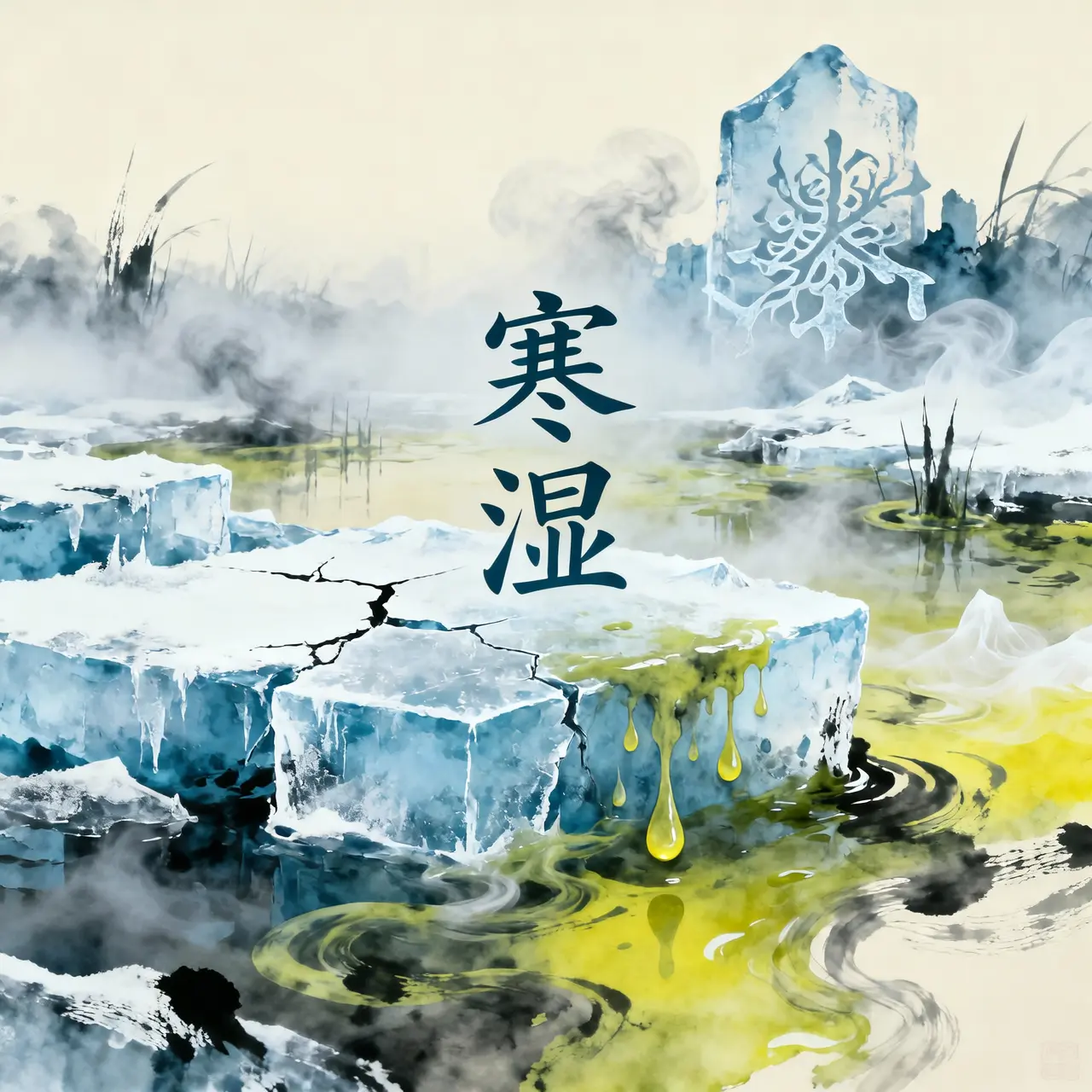
Cold-Dampness (寒湿) is a mixed external and internal pathogen in TCM that causes pain, heaviness and cold sensation. Discover its manifestations and dietary approaches.
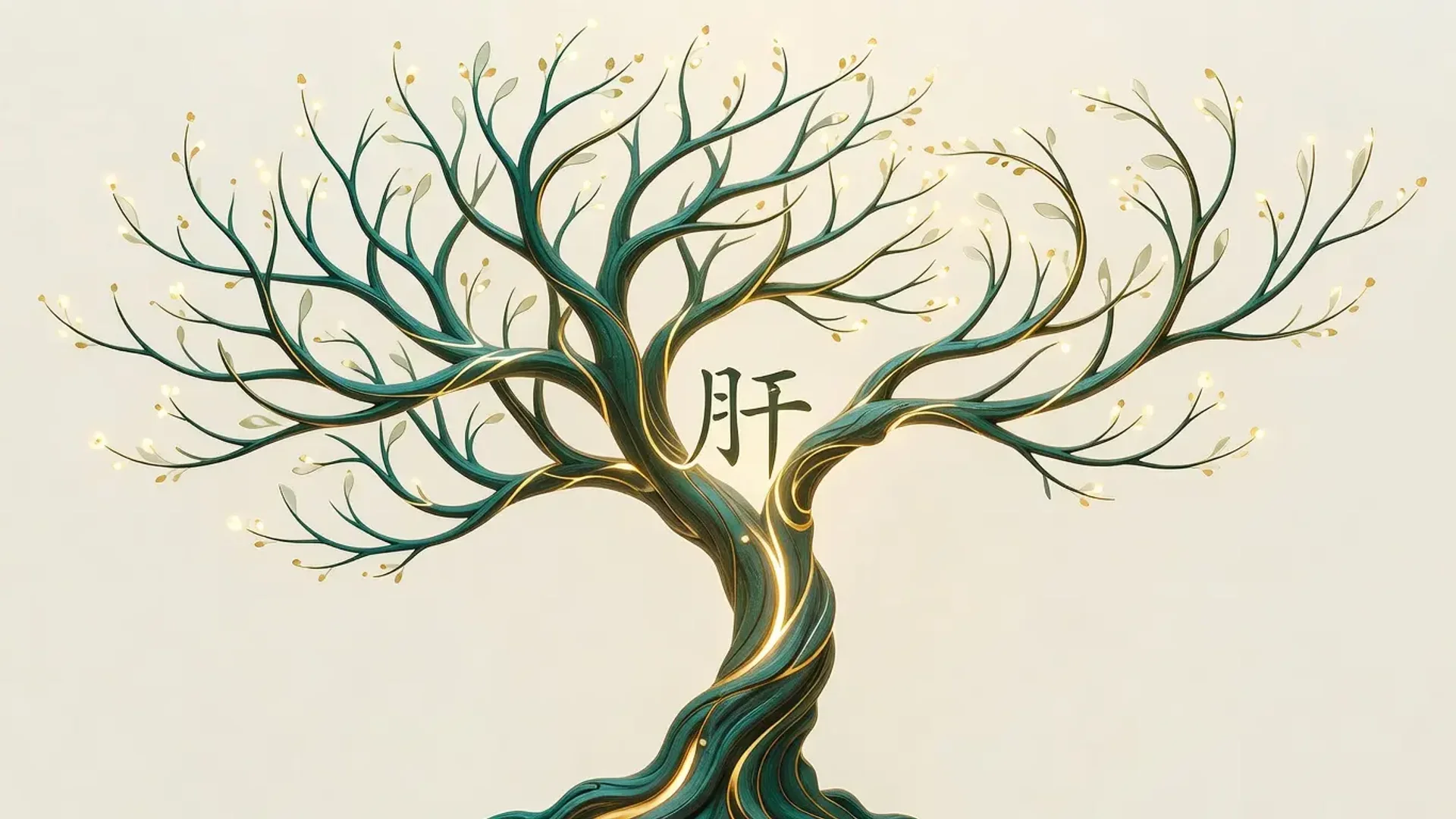
The Liver (肝) in TCM stores Blood, governs tendons, eyes and emotions. Discover its functions, pathologies and dietary regulation protocols.
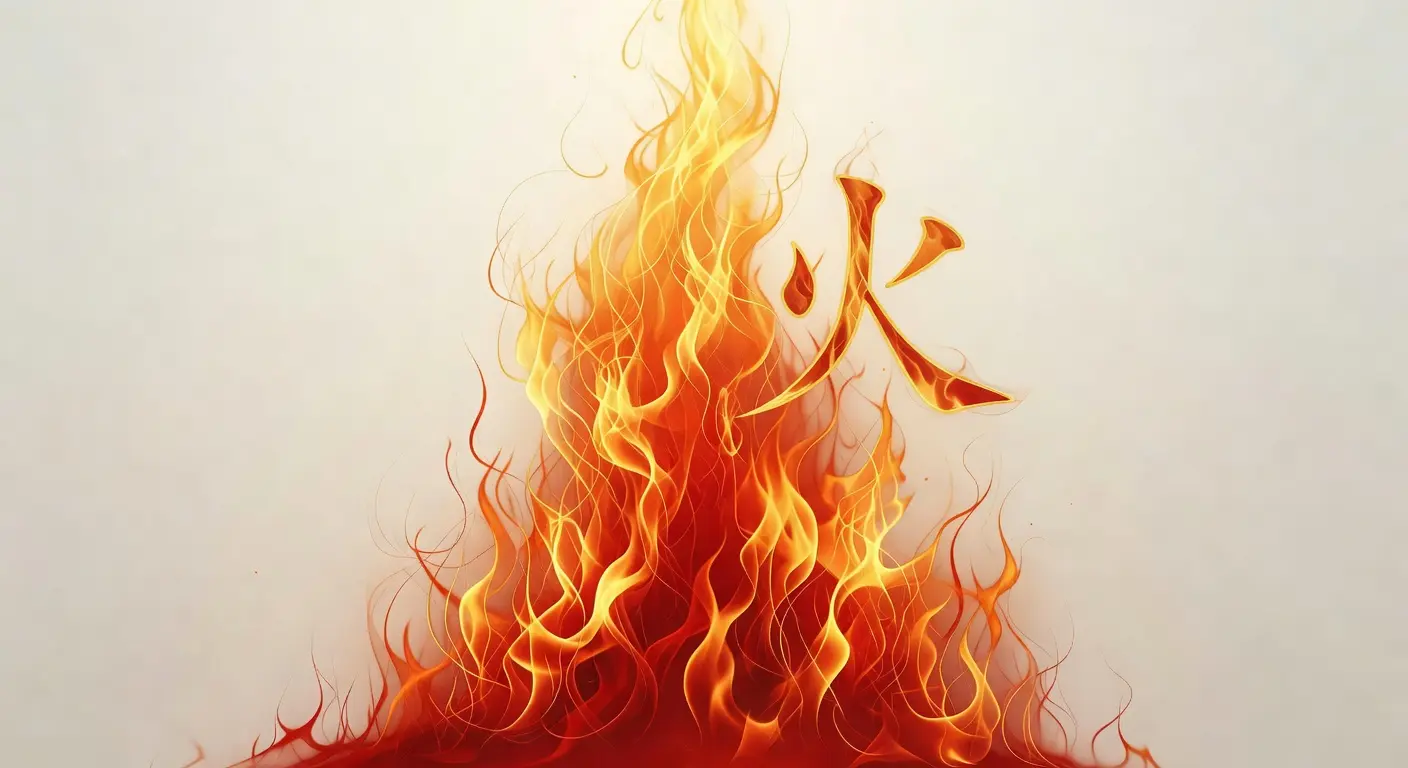
Fire (火) in TMC corresponds to summer, the Heart, joy and heat. Discover its characteristics, dysfunctions and dietary approaches to harmonise it.
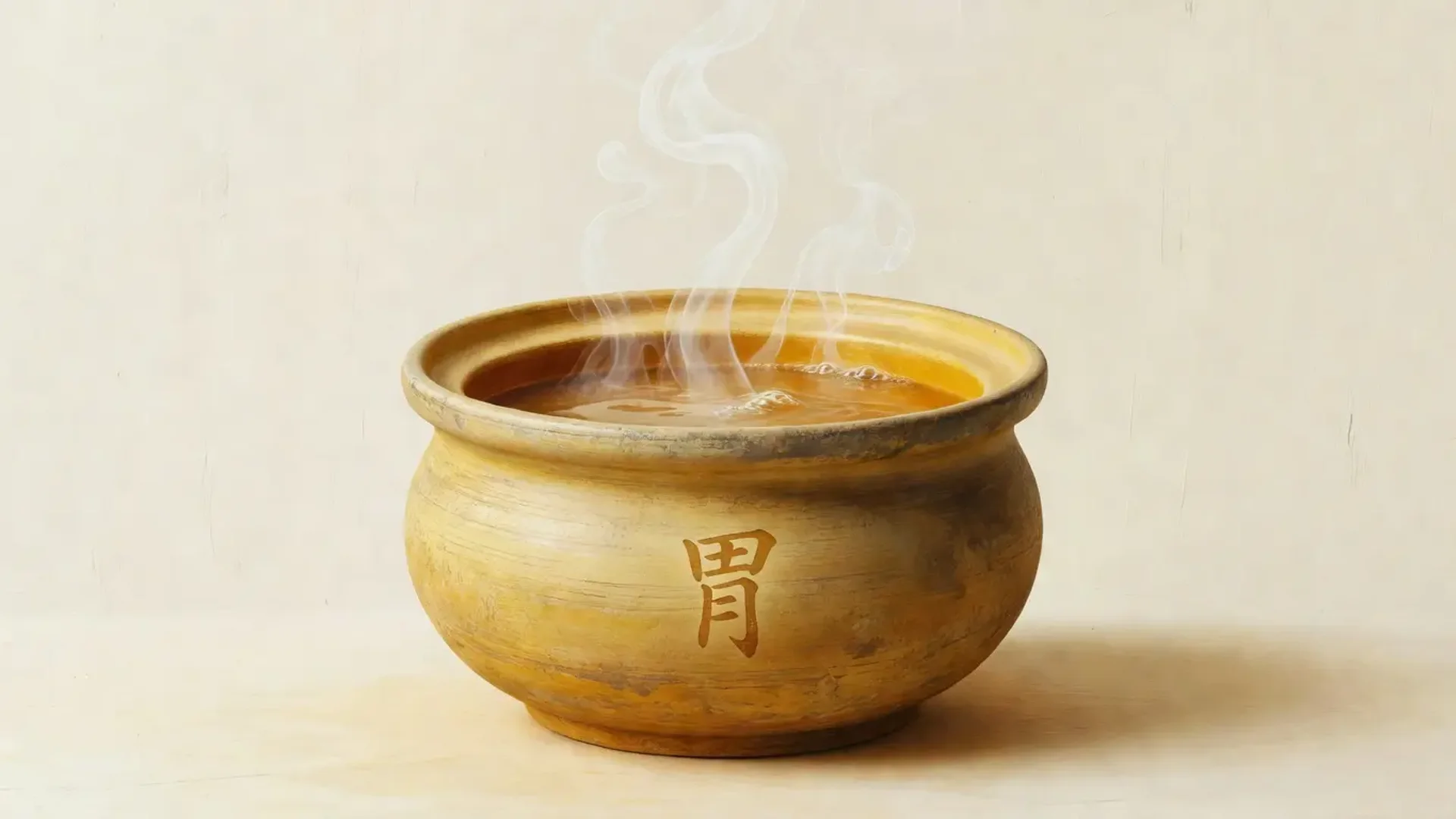
The Stomach (胃) in TCM receives food, grinds it and sends it to the Spleen. Discover its functions, pathologies and dietary regulation protocols.
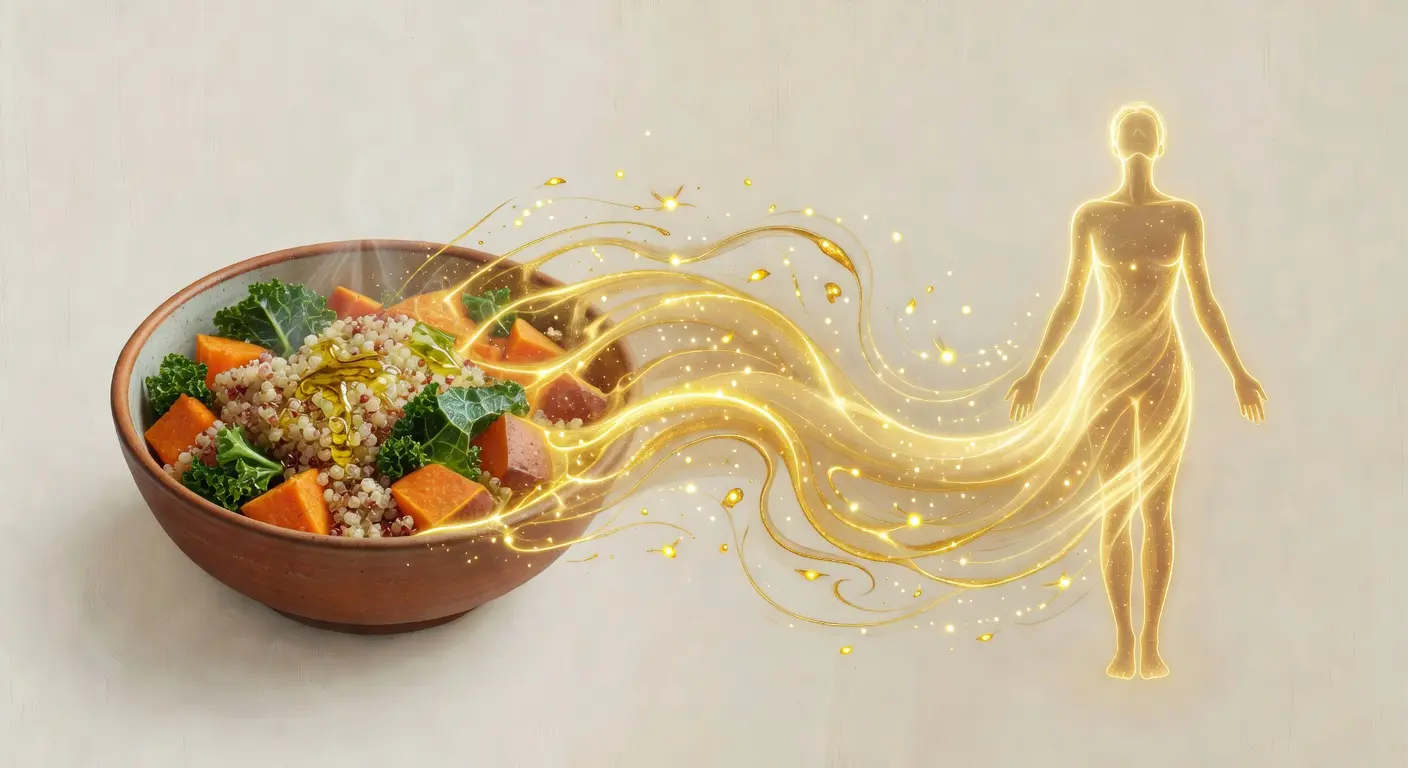
Acquired essence (后天之精) is vitality nourished by diet, breathing and lifestyle in TCM. Discover its mechanisms, importance and dietary approaches to cultivate it.
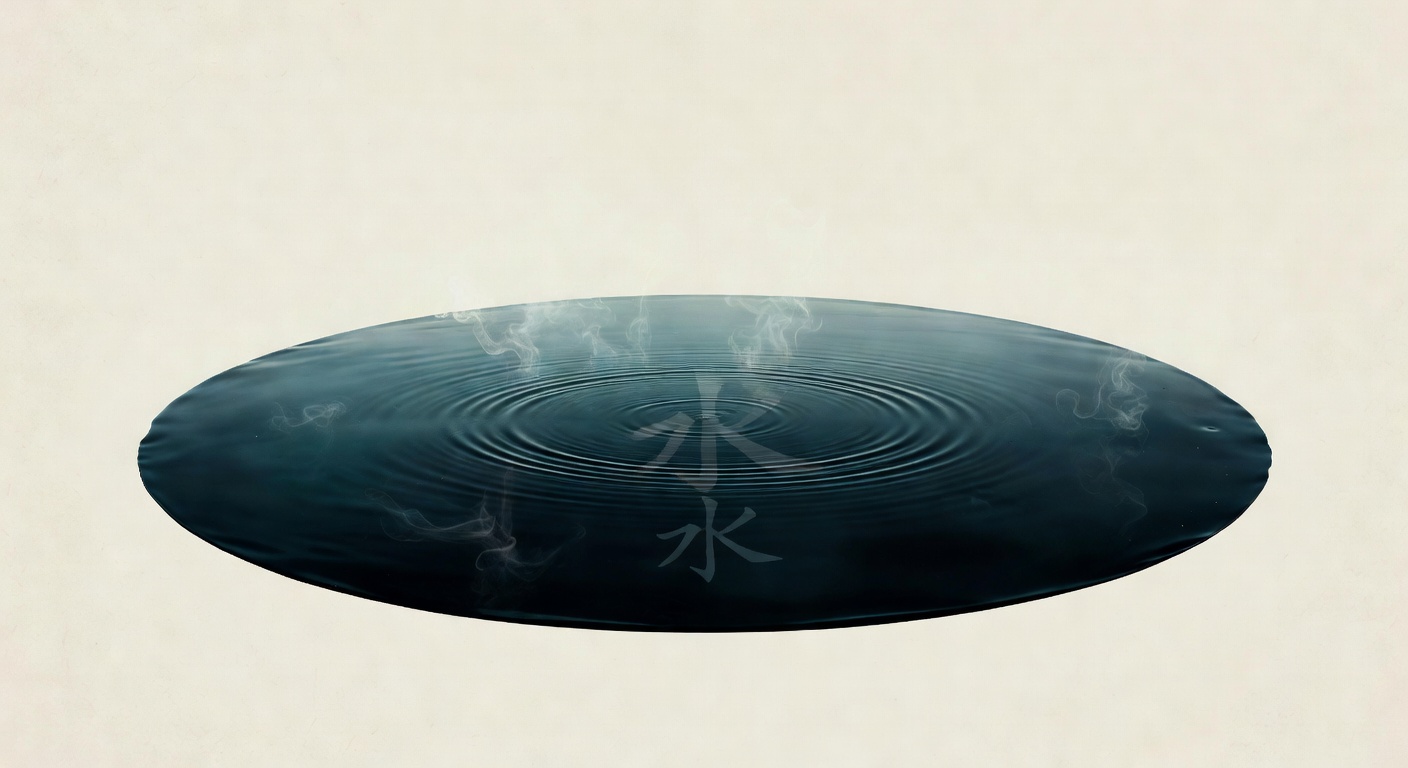
Water (水) in TCM corresponds to winter, the Kidney, the Bladder and depth. Discover its characteristics, dysfunctions and integrative dietary approaches.
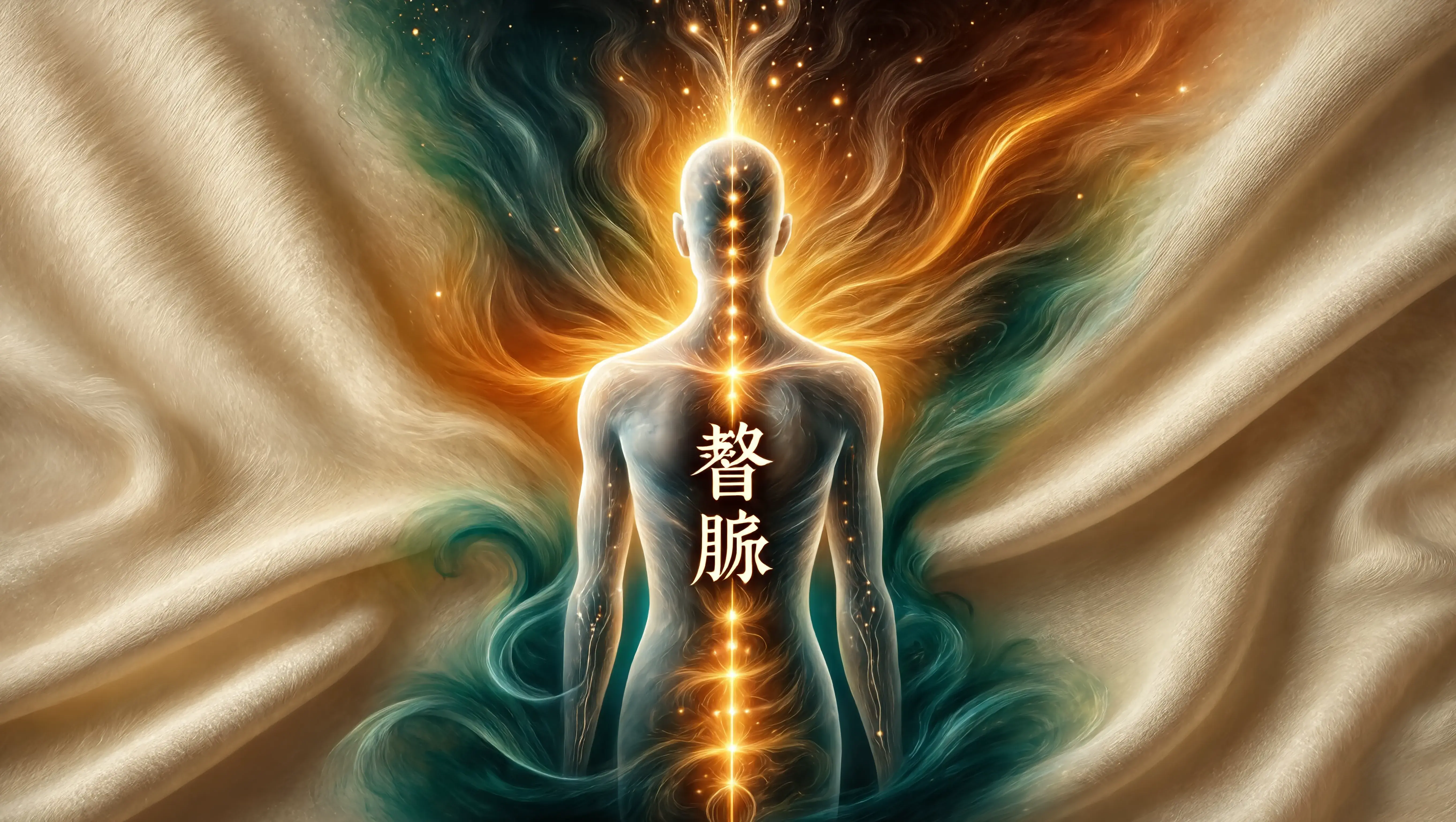
The Du Mai (督脉) in TCM is the governing vessel that circulates on the posterior median line. Discover its functions, key points and therapeutic approaches.
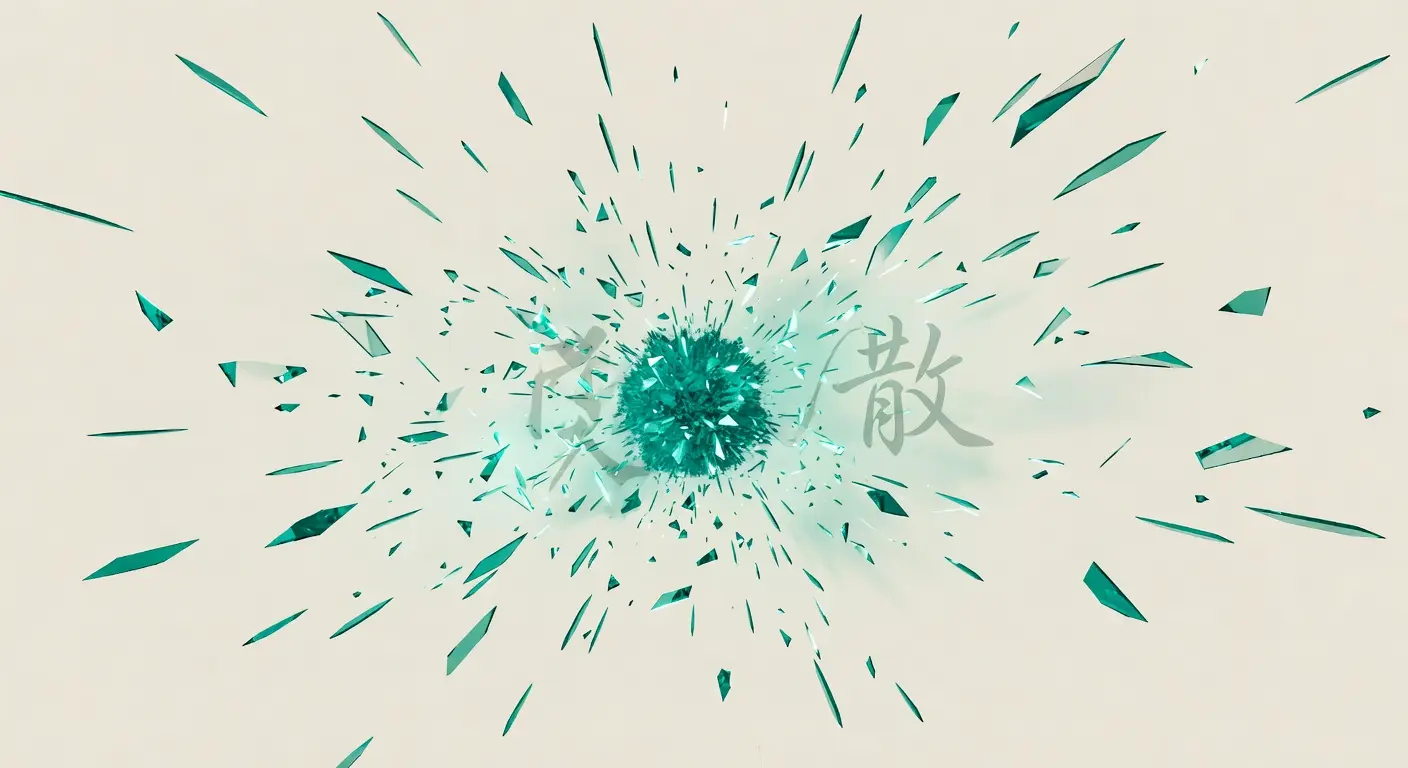
Dissipation (散 Sàn) in TCM refers to the action of dissipating external pathogenic factors and internal stagnations. Discover its methods, indications and dietary approaches.
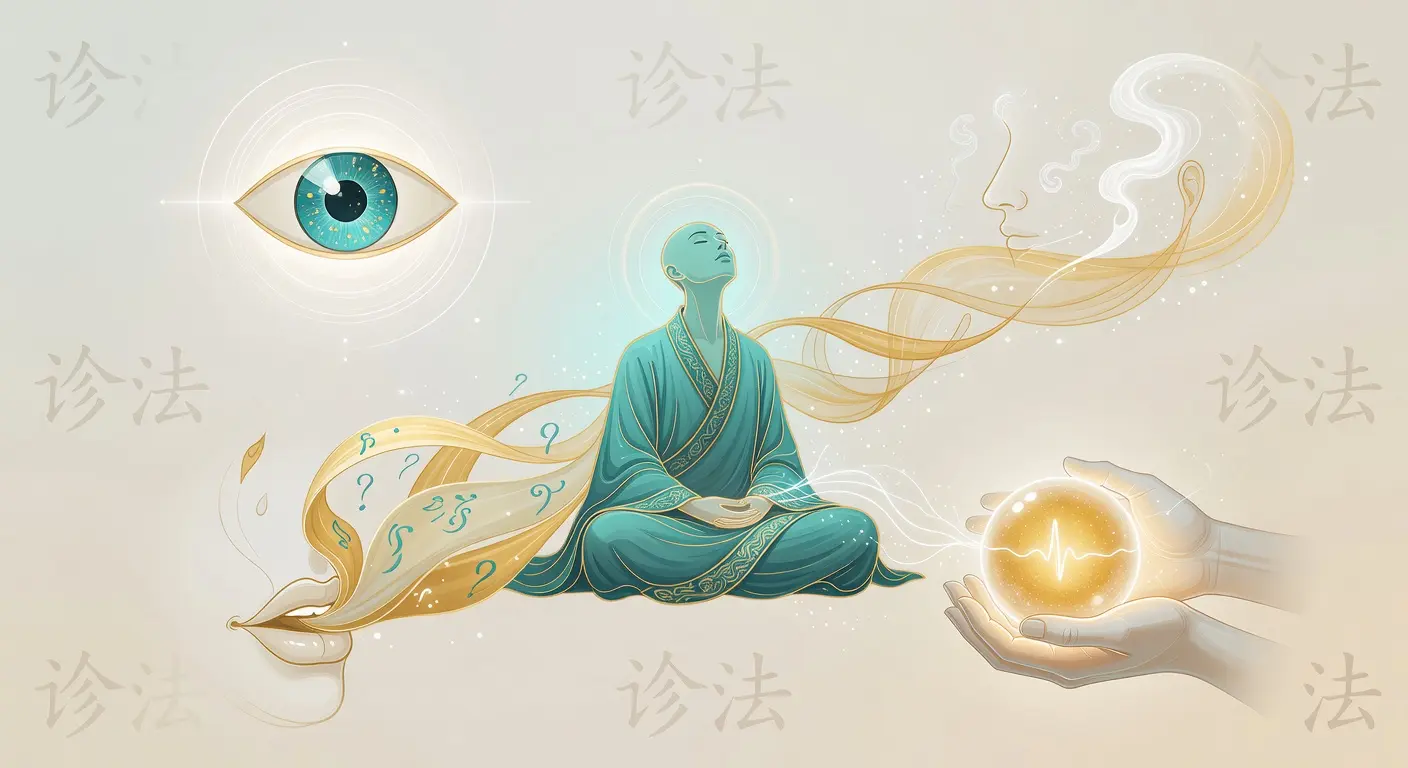
Diagnosis in TCM (诊法) rests on four pillars: observation, auscultation-olfaction, interrogation and palpation. Discover its principles, methods and complementary dietary approaches.
The Heart (心) in TCM governs Blood, houses Shen, controls the tongue and opens into the vessels. Discover its functions, pathologies and dietary protocols.
One search across all of Yin Shi
Articles, food sheets, lessons, tests: everything comes up here. Try:
📚 Articles · 🍎 Foods · 🎓 Courses · 📗 Lessons · 📖 Books · 🧪 Tests · 🌸 Menopause · 🧭 Pages