The Taijitu: Reading the Yin-Yang Symbol as a Clinical Map
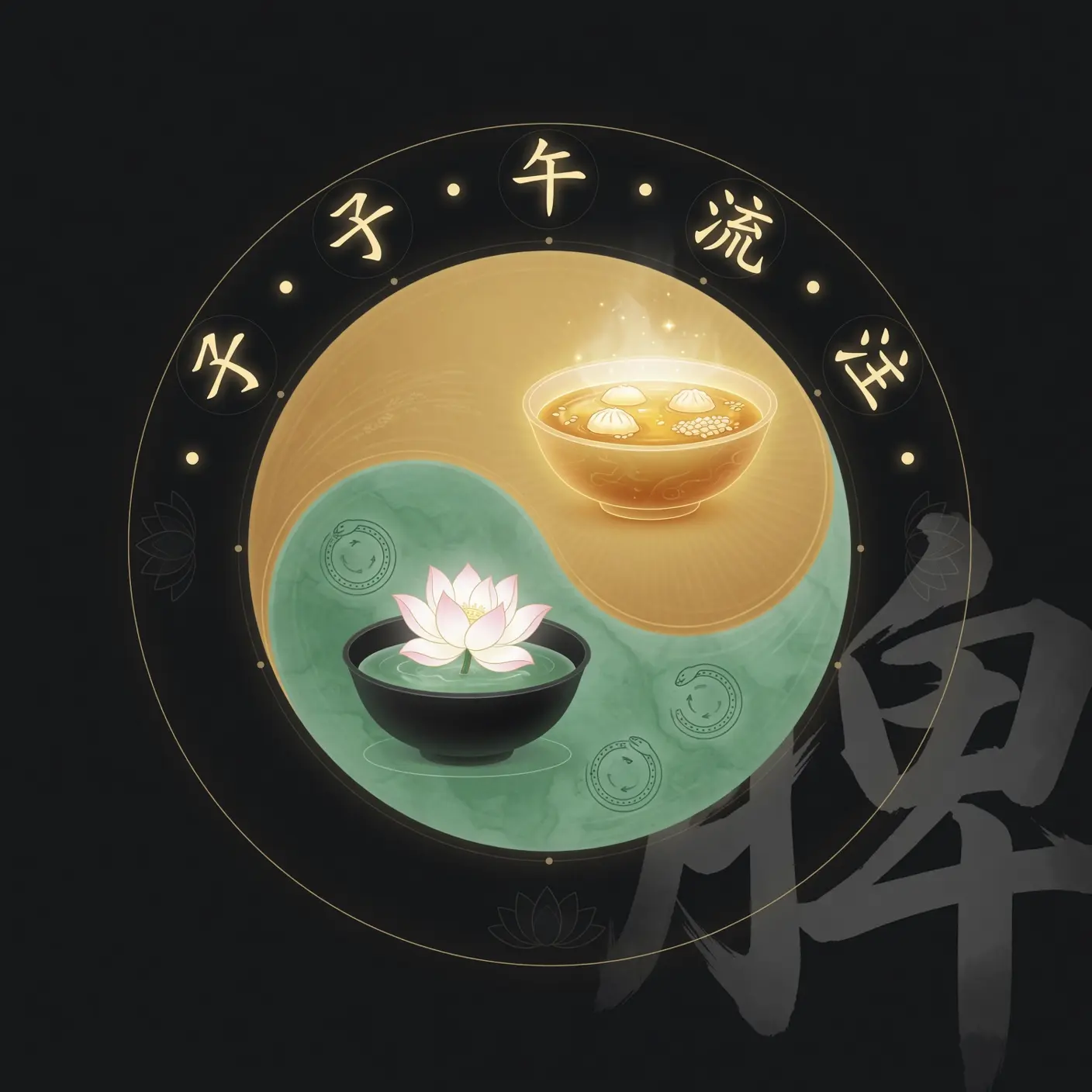
The Taijitu's history from Zhou Dunyi onwards, a layer-by-layer reading (circle, S-curve, dots), and what the symbol teaches the practitioner about balance.
Dive into the principles of Traditional Chinese Medicine and discover how food can transform your daily life.
The Taijitu's history from Zhou Dunyi onwards, a layer-by-layer reading (circle, S-curve, dots), and what the symbol teaches the practitioner about balance.
Why some burn everything they eat and others store at the slightest deviation. Kidney Yang (TCM) and thyroid/mitochondria (science): the same reality, two languages.
Traditional Vietnamese medicine applied to cuisine: phở, cháo, fresh herbs and ferments, and the specificities that distinguish đông y from TCM.
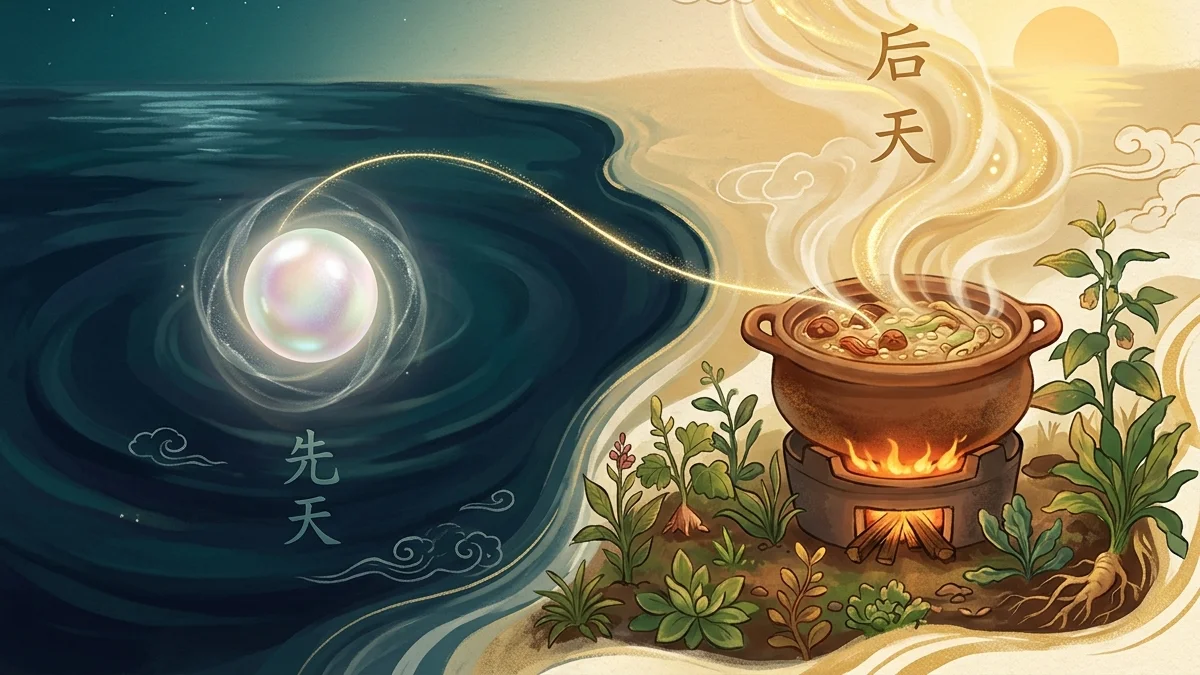
Xian Tian / Hou Tian: what we inherit (Kidney, Jing) and what we build each day (Spleen-Stomach), and the law of compensation through food.
How insulin resistance (science) and Spleen Qi deficiency (TCM) describe the same storage mechanism. Understanding the root causes to act more effectively.
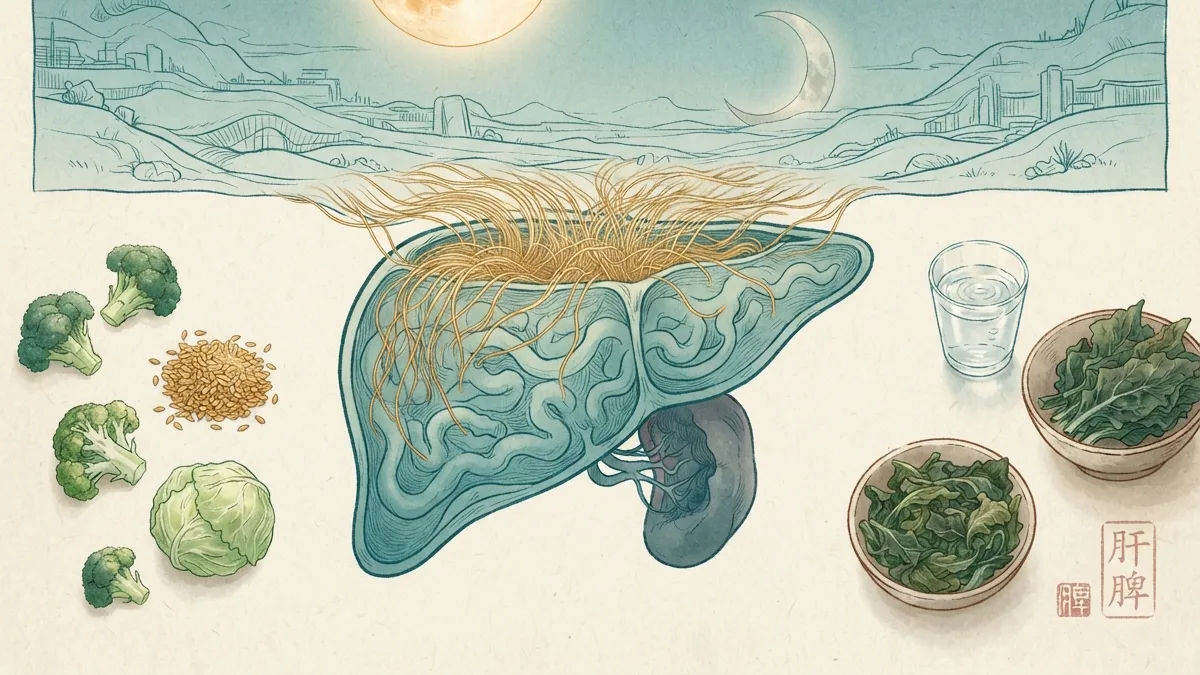
Oestrogen dominance: too much oestrogen or too little progesterone, the three mechanisms (production, hepatic breakdown, xenoestrogens) and the dietary protocol.
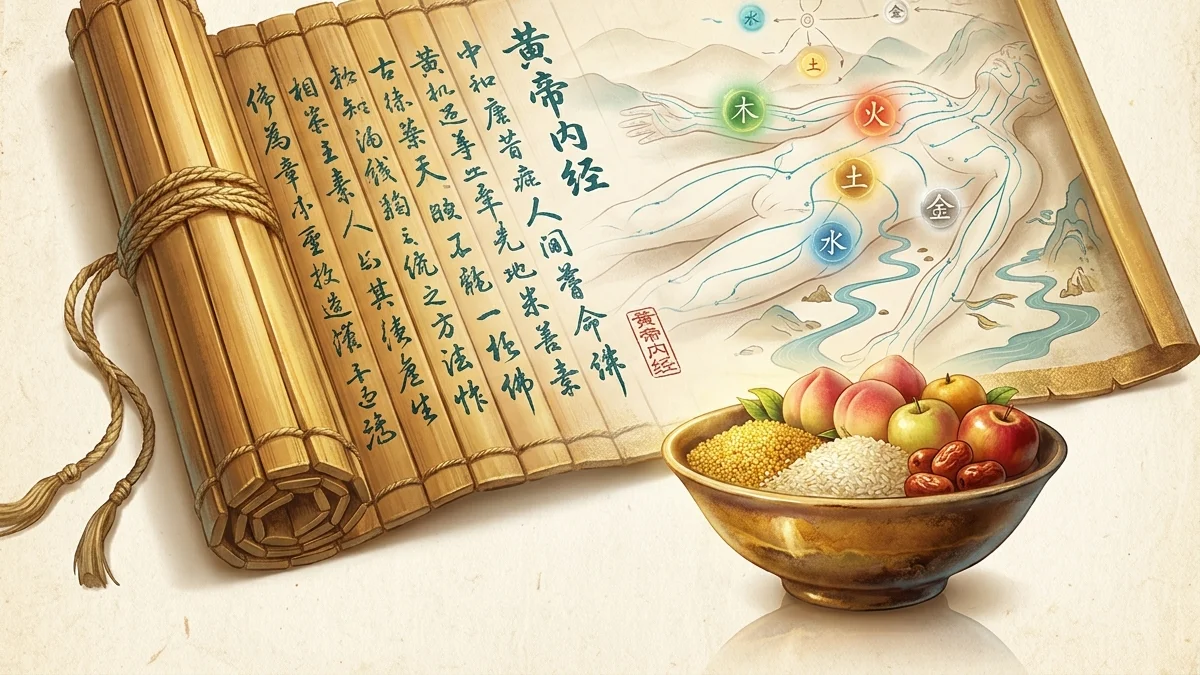
The 2,200-year-old classic behind all of TCM: its Suwen/Lingshu structure and what it teaches about food, the seasons and longevity.
Circadian rhythm (science) and the organ clock Zi Wu Liu Zhu (TCM): eating at optimal times transforms metabolism. Practical protocol according to the three profiles.
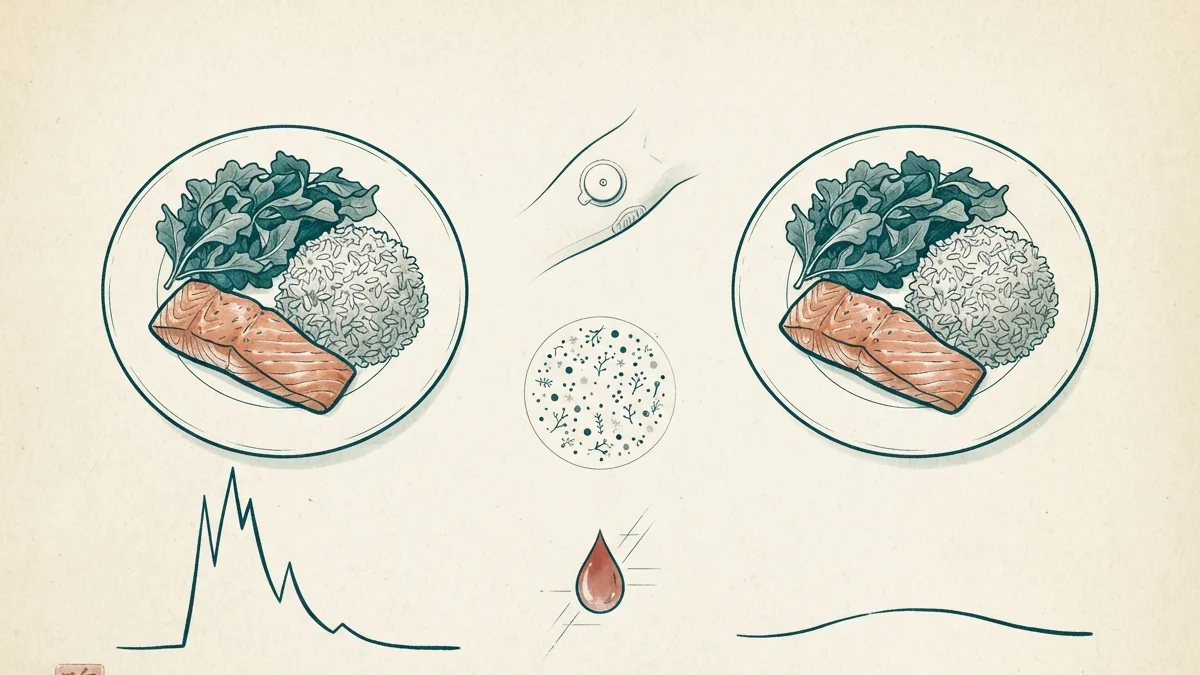
Precision nutrition: glycaemic variability, microbiome, biomarkers, CGM and why the uniform 'eat a balanced diet' does not work for everyone.
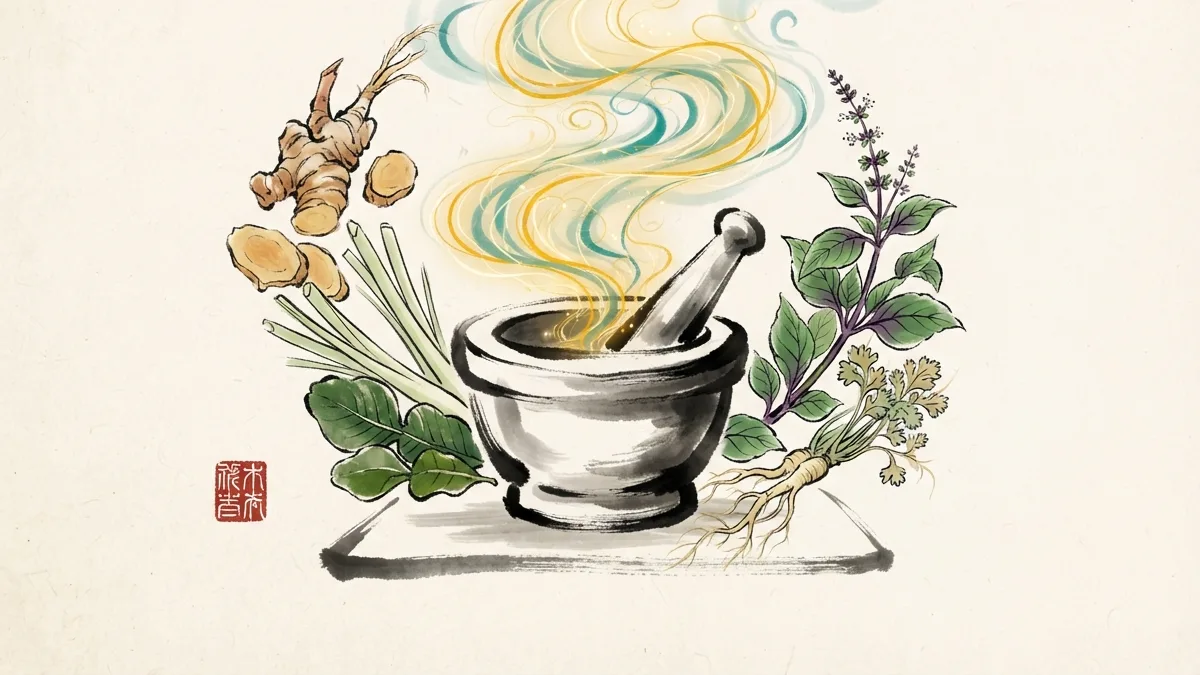
The signature aromatics of Thai cuisine (galangal, lemongrass, kaffir lime, Thai basil): documented properties and TCM correspondences.
Intermittent fasting validated by both TCM and modern science. Protocols 16:8, 14:10 and 12:12 adapted to the three metabolic profiles - hormonal, metabolic and inflammatory.
Mushrooms by TCM terrain: shiitake for Qi, wood ear for Yin, button mushroom the most moderate, with their beta-glucans and immunomodulating role.
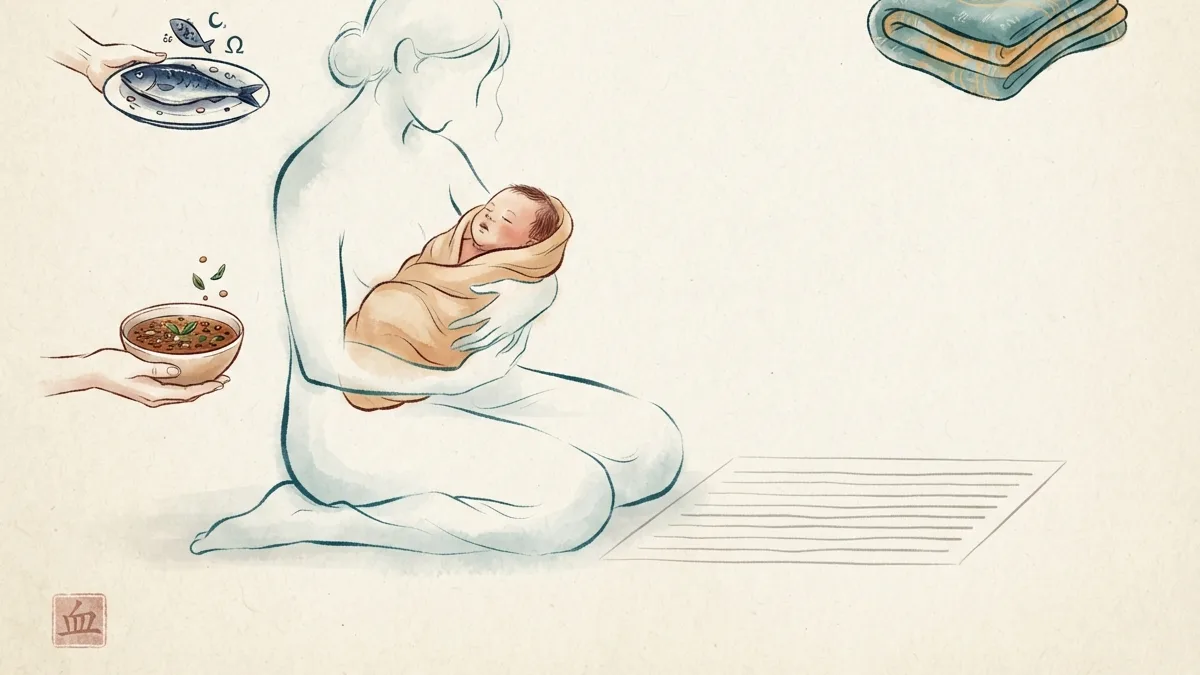
Postpartum depression: telling it apart from the baby blues, the role of nutrients (omega-3, iron, zinc, vitamin D), the TCM reading of Blood deficiency and support for recovery.
The convergence between glycaemic index (science) and the Sweet flavour (TCM): same reality, two languages. Tables of low-GI foods compatible with Chinese dietetics for each metabolic profile.
Japanese cuisine listed as UNESCO heritage: dashi and umami, seaweeds, koji ferments, portion restraint, and its TCM reading.
An integrative questionnaire to identify your dominant metabolic profile among three underlying mechanisms: hormonal (Insulin/Liver), metabolic (Kidney Yang) or inflammatory (Dampness-Heat).
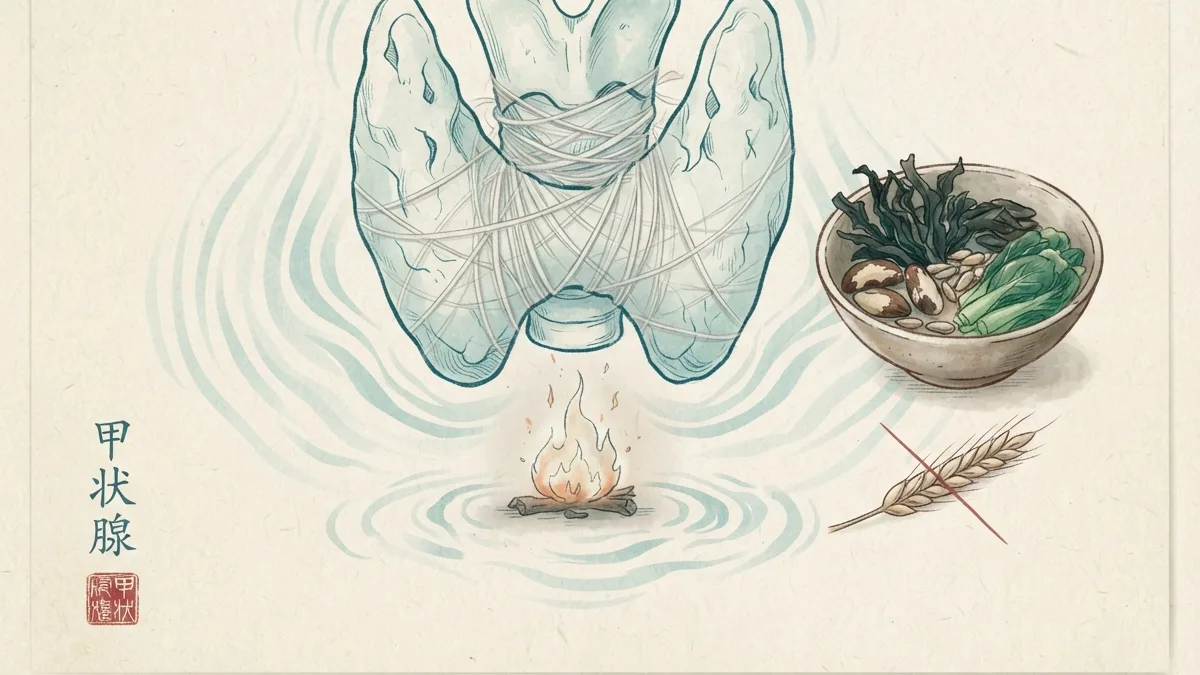
Hashimoto's: the leading cause of hypothyroidism, the role of intestinal permeability and gluten (molecular mimicry), cofactors (EBV, selenium) and the anti-inflammatory nutrition protocol.
Honey, maple syrup, coconut sugar, dates, fruit: a comparison of sweeteners by glycaemic index, TCM nature and pastry uses.
One search across all of Yin Shi
Articles, food sheets, lessons, tests: everything comes up here. Try:
📚 Articles · 🍎 Foods · 🎓 Courses · 📗 Lessons · 📖 Books · 🧪 Tests · 🌸 Menopause · 🧭 Pages