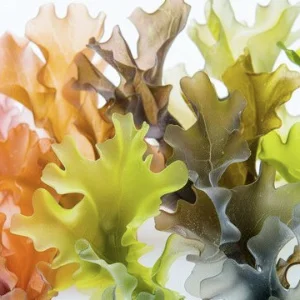
Miso Soup with Wakame and Tofu(Japan)
Difficulty : 1
Miso soup is a pillar of Japanese cuisine, consumed daily for centuries. The addition of wakame and tofu makes it a balanced, light and comforting dish, often served at breakfast or as an accompaniment.
- 1 litre of dashi (prepared with 10 g of kombu and 10 g of katsuobushi)
- 50 g of miso paste (white or red according to preference)
- 10 g of dried wakame
- 150 g of silken tofu, cut into 1 cm cubes
- 2 spring onions, finely sliced
1. Prepare the dashi: soak the kombu in 1 litre of cold water for 30 minutes. Heat gently until simmering, remove the kombu. Add the katsuobushi, bring to the boil, then lower the heat and simmer for 5 minutes. Strain the broth. 2. Rehydrate the wakame in a bowl of cold water for 10 minutes, then drain and cut into small pieces. 3. In a ladle, dilute the miso paste with some hot dashi until you obtain a smooth consistency. 4. Heat the strained dashi over low heat (do not boil). Add the tofu and wakame. 5. Off the heat, stir in the diluted miso paste. Never boil the soup once the miso has been added, as this would alter its flavour.
Serve the soup hot in individual bowls, garnished with finely sliced spring onion.
TCM actions : Wakame is of a cold nature, with a salty flavour. It targets the Kidneys and the Liver, helping to clear Heat and dissolve phlegm. It is Yin by its cooling nature. Miso is of a warm nature, with a salty and slightly pungent flavour, supporting the Spleen and Stomach, harmonising Qi. Tofu is of a cold nature, with a sweet flavour, beneficial for the Spleen, Stomach and Large Intestine, helping to generate body fluids. The whole balances Yin and Yang, nourishing Blood and Qi.
Nutritional benefits : Wakame is an excellent source of iodine (essential for the thyroid), calcium, magnesium, iron and vitamins A, C, E and K. It is rich in soluble fibre (fucoidans) that promote digestive health and may have antioxidant and anti-inflammatory effects. Miso, a fermented product, is rich in probiotics beneficial for gut flora. Tofu provides complete plant proteins and calcium. This soup is low in calories, rich in minerals and vitamins, and contributes to good hydration.
Wakame Goma-ae Salad(Japan)
Difficulty : 1
Goma-ae is a traditional Japanese side dish consisting of vegetables coated in toasted sesame. This version with wakame illustrates the Japanese art of elevating a simple ingredient into a refined dish.
- 20 g of dried wakame
- 2 tablespoons of toasted sesame seeds
- 1 tablespoon of soy sauce
- 1 tablespoon of rice vinegar
- 1 teaspoon of sugar
- 1 teaspoon of toasted sesame oil
- A few threads of red chilli (optional)
1. Rehydrate the wakame in a large bowl of cold water for 15 minutes. Drain carefully and press to remove excess water. Cut into 2-3 cm pieces. 2. In a small bowl, mix the soy sauce, rice vinegar, sugar and sesame oil. 3. In a mortar, lightly crush the toasted sesame seeds to release their aroma (or use a coffee grinder). 4. Mix the drained wakame with the sauce and sesame seeds.
Serve chilled in a small bowl, optionally garnished with a few threads of red chilli for colour.
TCM actions : Wakame, of a cold nature and salty flavour, clears Heat, dissolves phlegm, and nourishes Kidney Yin. Sesame is of a neutral nature, with a sweet flavour, nourishing the Liver and Kidneys, moistening the intestines. Rice vinegar is of a warm nature, with a sour flavour, stimulating the Liver and aiding digestion. The whole is cooling, nourishing Blood and body fluids, and promoting bowel regularity.
Nutritional benefits : Rich in iodine, calcium, magnesium and fibre. Wakame contributes to thyroid and digestive health. Sesame seeds provide healthy fats (monounsaturated and polyunsaturated), proteins, fibre, calcium, iron and zinc, as well as antioxidants (sesamolin, sesamin). This salad is an excellent source of minerals and essential fatty acids.
Dolsot Bibimbap with Seaweeds(South Korea)
Difficulty : 2
Bibimbap is one of the most emblematic dishes of Korean cuisine. Served in a hot stone bowl (dolsot), it creates a crispy rice crust. The addition of seaweeds (gim and wakame) enriches this already nutritionally complete dish.
- 200 g of cooked rice
- 5 g of gim (Korean nori) grilled and cut into strips
- 50 g of rehydrated and cut wakame
- 100 g of marinated beef (or tofu for a vegetarian version)
- 50 g of blanched bean sprouts
- 50 g of carrots cut into julienne and stir-fried
- 50 g of courgettes cut into julienne and stir-fried
- 1 fried egg
- 1 tablespoon of gochujang (Korean chilli paste)
- 1 teaspoon of sesame oil
- A few sesame seeds
1. Marinate the beef (or tofu) in a mixture of soy sauce, chopped garlic, sugar and sesame oil for 15 minutes, then stir-fry. 2. Prepare the vegetables: blanch the bean sprouts, stir-fry the carrots and courgettes separately. 3. Heat a dolsot (stone bowl) over medium-high heat. Brush the inside with sesame oil. 4. Spread the rice at the bottom of the bowl. Arrange the vegetables, beef (or tofu), wakame and gim harmoniously over the rice. 5. Crack the egg in the centre. Leave to cook for 5-7 minutes until the rice forms a crispy crust at the bottom and the egg is to your liking. 6. Off the heat, add the gochujang and mix everything before eating.
Serve directly in the hot dolsot, garnished with sesame seeds.
TCM actions : The seaweeds (gim and wakame) are of a cold nature, with a salty flavour, clearing Heat and nourishing Yin. Rice is of a neutral nature, with a sweet flavour, tonifying the Spleen and Stomach. Beef (or tofu) is of a warm nature, with a sweet flavour, nourishing Qi and Blood. Gochujang is pungent and hot, stimulating the circulation of Qi and Blood. The whole is a balanced, nourishing and warming dish, promoting digestion and vitality.
Nutritional benefits : This dish is rich in complex carbohydrates (rice), proteins (beef/tofu, egg), vitamins and minerals (vegetables, seaweeds). The seaweeds provide iodine and fibre. Gochujang contains capsaicinoids, antioxidants and metabolism stimulants. Bibimbap is a complete and balanced meal, providing sustained energy and a wide variety of nutrients.
Broad Bean and Dulse Salad(Brittany, France)
Difficulty : 1
Dulse is a red seaweed traditionally consumed on the Breton and Celtic coasts. Paired with fresh broad beans, this salad celebrates the produce of the Atlantic coastline.
- 200 g of fresh shelled broad beans (or frozen)
- 10 g of dried dulse
- 1 shallot, finely sliced
- 2 tablespoons of rapeseed or olive oil
- 1 tablespoon of cider vinegar
- Salt, pepper from the mill
- A few sprigs of finely sliced chives
1. Blanch the broad beans in salted boiling water for 3-4 minutes. Plunge them immediately into iced water to set the colour. Remove the skin of the beans if they are large. 2. Rehydrate the dulse in a bowl of cold water for 5 minutes. Drain and cut into small pieces. 3. In a large bowl, mix the broad beans, dulse and sliced shallot. 4. Prepare the vinaigrette by mixing the oil, cider vinegar, salt and pepper. 5. Pour the vinaigrette over the salad and mix gently.
Serve chilled, sprinkled with finely sliced chives.
TCM actions : Dulse is of a cold nature, with a salty and slightly pungent flavour, clearing Heat and dispersing stagnation. Broad beans are of a neutral nature, with a sweet flavour, tonifying the Spleen and Stomach. The shallot is of a warm nature, with a pungent flavour, stimulating Qi and Blood. The whole is cooling, nourishing, and promotes digestion and circulation.
Nutritional benefits : Dulse is rich in iodine, iron, potassium and fibre. It also contains antioxidants. Broad beans are an excellent source of plant proteins, fibre, folate, manganese and vitamin K. Rapeseed oil provides omega-3. This salad is nutritious, rich in fibre, proteins and essential micronutrients.
Salmon Tartare with Nori Seaweed(France)
Difficulty : 2
This tartare illustrates the influence of Japanese gastronomy on French haute cuisine. Nori brings an iodised note that elevates the freshness of the salmon, in a spirit of refined culinary fusion.
- 200 g of fresh salmon fillet without skin or bones, cut into small 0.5 cm dice
- 2 sheets of grilled nori, cut into thin strips
- 1 shallot, finely sliced
- 1 tablespoon of capers, chopped
- 1 tablespoon of fresh dill, finely sliced
- The juice of half a lime
- 2 tablespoons of extra virgin olive oil
- Fine salt, white pepper from the mill
- A few trout eggs for garnish
1. In a cold bowl, gently mix the salmon dice with the shallot, capers and dill. 2. Add the lime juice, olive oil, salt and pepper. Mix gently so as not to crush the fish. 3. Incorporate the nori strips just before serving so they retain their crunch.
Plate the tartare using a presentation ring on a cold plate. Garnish with a few trout eggs and a small sprig of dill.
TCM actions : Salmon is of a warm nature, with a sweet flavour, nourishing Blood and Yin, tonifying the Spleen and Stomach. Nori is of a cold nature, with a salty flavour, clearing Heat and dissolving phlegm. Lime is of a cold nature, with a sour flavour, stimulating the Liver and aiding digestion. The whole is a balanced dish, nourishing Yin and Blood, and promoting good digestion.
Nutritional benefits : Salmon is an excellent source of omega-3 fatty acids (EPA and DHA), beneficial for cardiovascular and brain health. It also provides high-quality proteins and vitamin D. Nori provides iodine, fibre and antioxidants. Olive oil is rich in monounsaturated fatty acids. This dish is rich in essential nutrients, with a good balance between proteins and healthy fats.
Roasted Sea Bass Fillet, Sea Lettuce Foam(France)
Difficulty : 2
This recipe is part of the tradition of contemporary French gastronomy, where foam and airy textures have become signatures. Sea lettuce brings a delicate marine dimension to line-caught sea bass.
- 2 sea bass fillets of 150 g each, with skin
- 10 g of fresh sea lettuce
- 200 ml of fish stock
- 50 ml of whole double cream
- 1 g of soya lecithin
- 20 g of butter
- Olive oil, salt, pepper
- A few fresh seaweeds for garnish (e.g. samphire)
1. Preheat the oven to 180°C. 2. Season the sea bass fillets with salt and pepper. In an ovenproof pan, heat a drizzle of olive oil. Sear the fillets skin-side down for 3 minutes until crisp. 3. Turn the fillets over and transfer the pan to the oven for 5-7 minutes, depending on thickness, until the fish is just cooked. 4. Meanwhile, prepare the foam: rinse the sea lettuce. In a saucepan, heat the fish stock and cream. Add the sea lettuce and leave to infuse for 5 minutes over low heat. 5. Blend the preparation with a hand blender. Strain through a fine sieve to obtain a smooth liquid. 6. Return the liquid to a saucepan, add the soya lecithin. Using the hand blender, create a light foam by incorporating air at the surface. 7. Whisk the cold butter in small dice into the remaining sauce to lightly bind it.
Place a sea bass fillet in the centre of the plate. Coat with a little butter sauce. Delicately place a nice spoonful of sea lettuce foam on the fish. Garnish with a few sprigs of samphire.
TCM actions : Sea bass is of a neutral nature, with a sweet flavour, tonifying the Spleen and Stomach, nourishing Qi and Blood. Sea lettuce is of a cold nature, with a salty flavour, clearing Heat and dissolving phlegm. Cream is of a neutral nature, with a sweet flavour, nourishing Yin. The whole is a balanced, nourishing and cooling dish, promoting digestion and hydration.
Nutritional benefits : Sea bass is an excellent source of lean proteins, omega-3 fatty acids and B vitamins. Sea lettuce provides iodine, calcium, magnesium and fibre, as well as antioxidants. The foam, thanks to soya lecithin, is light and allows the nutrients of the seaweeds to be incorporated elegantly. It is a dish rich in proteins and micronutrients, with a low saturated fat content.
Seaweed Caviar with Yuzu and Cucumber(Spain)
Difficulty : 3
Spherification is an emblematic technique of molecular gastronomy popularised by Ferran Adrià. This seaweed caviar uses sodium alginate extracted from brown seaweeds to create spheres that burst in the mouth.
- 200 ml of fresh cucumber juice (passed through an extractor)
- 20 ml of yuzu juice (or lime)
- 2 g of sodium alginate
- 500 ml of filtered water
- 5 g of calcium chloride
- A few sprigs of fresh dill for garnish
1. Prepare the alginate solution: mix the cucumber juice and yuzu juice. Incorporate the sodium alginate using a hand blender until completely dissolved. Leave to rest in the refrigerator for at least 1 hour to eliminate air bubbles. 2. Prepare the calcium bath: dissolve the calcium chloride in the filtered water. 3. Using a syringe or pipette, drop the seaweed solution drop by drop into the calcium bath, maintaining a certain height to form perfect spheres. 4. Leave the spheres in the bath for 1 to 2 minutes for the membrane to form. 5. Carefully remove the spheres with a slotted spoon and rinse them thoroughly in a bowl of clear water to remove excess calcium.
Serve the seaweed caviar in tasting spoons, on fresh oysters, or as a garnish for poached white fish. Garnish with a sprig of dill.
TCM actions : Cucumber is of a cold nature, with a sweet flavour, clearing Heat and generating body fluids, targeting the Spleen and Stomach. Yuzu is of a cold nature, with a sour flavour, stimulating the Liver and aiding digestion. Alginate, extracted from seaweeds, is of a cold nature, with a salty flavour. The whole is very refreshing, purifying and hydrating, ideal for clearing Heat.
Nutritional benefits : Cucumber is rich in water, vitamins K and C, and potassium. Yuzu provides a strong dose of vitamin C and antioxidants. Sodium alginate, derived from seaweeds, is a soluble fibre that can contribute to satiety and cholesterol regulation. This caviar is an explosion of freshness, very low in calories, rich in vitamins and minerals, and offers a unique sensory experience.
Savoury Panna Cotta with Kombu and Preserved Lemon(Italy)
Difficulty : 2
Panna cotta, traditionally sweet, is here revisited in a savoury version thanks to agar-agar, a natural gelling agent extracted from red seaweeds. Kombu infuses the cream with a subtle umami, creating a bridge between dessert and savoury dish.
- 200 ml of whole double cream
- 100 ml of whole milk
- 5 g of dried kombu
- 2 g of agar-agar powder
- 50 g of preserved lemon, cut into small dice
- A pinch of fleur de sel
- A few oxalis shoots for garnish
1. In a saucepan, infuse the kombu in the cream and milk over low heat for 15 minutes (do not boil). Remove the kombu. 2. Add the agar-agar and fleur de sel. Bring to the boil for 1 minute, whisking constantly to dissolve the agar-agar. 3. Pour the preparation into small individual moulds (ramekins or verrines). 4. Leave to cool at room temperature, then place in the refrigerator for at least 2 hours for the panna cotta to set.
Unmould the panna cotta (if in moulds) or serve directly in verrines. Garnish with dice of preserved lemon and a few oxalis shoots for a touch of acidity and colour.
TCM actions : Kombu is of a cold nature, with a salty flavour, clearing Heat and dissolving phlegm, targeting the Kidneys. Preserved lemon is of a cold nature, with a sour-sweet flavour, stimulating the Liver and Spleen. Cream and milk are of a neutral nature, with a sweet flavour, nourishing Yin and Blood. The whole is cooling, nourishing and aids digestion, harmonising salty and sour flavours.
Nutritional benefits : Kombu is an excellent source of iodine, calcium and fibre. Agar-agar, a soluble fibre, contributes to satiety and bowel regulation. Preserved lemon provides antioxidants and fibre. This savoury dessert is rich in minerals, with a unique texture and complex flavour, offering an interesting alternative to traditional desserts.
Chicken Roulade Stuffed with Seaweeds and Spinach(Morocco)
Difficulty : 2
This recipe fuses the Moroccan tradition of herb stuffings with the nutritional contribution of seaweeds. It illustrates how seaweeds can be integrated into Maghreb cuisines without disrupting their identity.
- 2 chicken escalopes (about 150 g each), flattened
- 50 g of fresh spinach, blanched and chopped
- 5 g of dried dulse, rehydrated and finely chopped
- 1 clove of garlic, chopped
- 1 tablespoon of cream cheese (Philadelphia type)
- Salt, pepper, a pinch of cumin
- Olive oil
- 100 ml of chicken stock
- A few sprigs of fresh coriander for garnish
1. In a bowl, mix the chopped spinach, chopped dulse, garlic, cream cheese, salt, pepper and cumin. 2. Spread out the chicken escalopes. Distribute the stuffing over each escalope. Roll them firmly and secure with cocktail sticks or kitchen string. 3. In a pan, heat a drizzle of olive oil. Sear the chicken roulades on all sides until golden. 4. Pour in the chicken stock, cover and simmer over low heat for 15-20 minutes, until the chicken is cooked through.
Cut the roulades into thick slices and arrange on a plate. Coat with the cooking sauce. Garnish with finely sliced fresh coriander.
TCM actions : Chicken is of a warm nature, with a sweet flavour, tonifying Qi and Blood, beneficial for the Spleen and Stomach. Dulse is of a cold nature, with a salty and pungent flavour, clearing Heat and dispersing stagnation. Spinach is of a cold nature, with a sweet flavour, nourishing Blood and Yin. Garlic is of a hot nature, with a pungent flavour, stimulating Qi. The whole is a balanced, nourishing and warming dish, promoting the circulation of Qi and Blood, with a refreshing touch from the seaweeds.
Nutritional benefits : Chicken is an excellent source of lean proteins. Dulse provides iodine, iron and fibre. Spinach is rich in vitamins K, A, C, folic acid and iron. Cream cheese provides calcium and proteins. This dish is rich in proteins, vitamins and minerals, offering a combination of earth and sea flavours.
Bulgur Salad with Seaweeds and Pomegranate(Turkey)
Difficulty : 1
This salad is inspired by Turkish tabbouleh (kısır) with the addition of seaweeds for a marine touch. Pomegranate, a symbol of prosperity in Ottoman culture, brings a sweet-sour note that balances the iodine of the seaweeds.
- 150 g of fine bulgur
- 300 ml of boiling water
- 10 g of dried sea lettuce, rehydrated and chopped
- 1/2 cucumber, cut into small dice
- 1/2 red onion, finely sliced
- 1/2 pomegranate, seeds
- Juice of half a lemon
- 3 tablespoons of olive oil
- Finely sliced fresh mint, finely sliced fresh parsley (2 tablespoons of each)
- Salt, pepper
1. Pour the bulgur into a large bowl. Cover with boiling water, cover and leave to swell for 15-20 minutes, until the water is absorbed. Fluff with a fork. 2. Rehydrate the sea lettuce in a bowl of cold water for 5 minutes, drain and chop finely. 3. In the bulgur bowl, add the sea lettuce, cucumber, red onion, pomegranate seeds, mint and parsley. 4. Prepare the vinaigrette by mixing the lemon juice, olive oil, salt and pepper. 5. Pour the vinaigrette over the salad and mix gently.
Serve chilled in a large salad bowl or in individual portions, garnished with a few mint leaves.
TCM actions : Sea lettuce is of a cold nature, with a salty flavour, clearing Heat and dissolving phlegm. Bulgur is of a neutral nature, with a sweet flavour, tonifying the Spleen and Stomach. Pomegranate is of a cool nature, with a sour-sweet flavour, generating fluids and stimulating the Liver. Cucumber is of a cold nature, with a sweet flavour, clearing Heat. The whole is a refreshing, hydrating salad, aiding digestion and purification.
Nutritional benefits : Bulgur is a good source of complex carbohydrates and fibre. Sea lettuce provides iodine, calcium and fibre. Pomegranate is rich in antioxidants (polyphenols) and vitamin C. Cucumber is hydrating. This salad is rich in fibre, vitamins, minerals and antioxidants, contributing to digestive health and cell protection.
Kuku Sabzi with Seaweeds(Iran)
Difficulty : 1
Kuku sabzi is a traditional Iranian herb omelette, often served during the Persian New Year (Nowruz). The addition of nori powder enriches this festive dish with an iodine intake and an umami flavour.
- 6 eggs
- 100 g of mixed fresh herbs (parsley, coriander, dill, chives), chopped
- 5 g of dried nori, ground to a fine powder
- 1 spring onion, finely sliced
- 2 tablespoons of flour
- 1 teaspoon of baking powder
- Salt, pepper
- Vegetable oil for cooking
- A few crushed walnuts and pomegranate seeds for garnish
1. In a large bowl, beat the eggs. Add the chopped herbs, nori powder, spring onion, flour, baking powder, salt and pepper. Mix well. 2. In a non-stick pan (about 20 cm in diameter), heat a drizzle of vegetable oil over medium heat. 3. Pour the egg mixture into the pan. Spread evenly. Cover and cook over low heat for 15-20 minutes, until the kuku is set and golden underneath. 4. Carefully flip the kuku (using a plate or lid) and continue cooking for 5-7 minutes on the other side.
Cut the kuku into portions and arrange on a dish. Garnish with crushed walnuts and pomegranate seeds.
TCM actions : Eggs are of a neutral nature, with a sweet flavour, nourishing Yin and Blood. Nori is of a cold nature, with a salty flavour, clearing Heat and dissolving phlegm. The fresh herbs are of varied nature (parsley and coriander are cooling, dill is warming), stimulating Qi and digestion. Spring onion is of a hot nature, with a pungent flavour, stimulating Qi. The whole is a balanced, nourishing and stimulating dish, promoting digestion and vitality.
Nutritional benefits : Eggs are a complete source of proteins and vitamins (B12, D). Fresh herbs provide vitamins (K, C) and antioxidants. Nori provides iodine and fibre. This kuku is rich in proteins, vitamins and minerals, offering a healthy and flavoursome alternative to traditional omelettes.
Pasta Salad with Seaweeds and Seafood(Italy/Mediterranean)
Difficulty : 1
This Mediterranean pasta salad incorporates sea spaghetti (Himanthalia elongata), a brown seaweed whose shape evokes noodles. It illustrates the meeting between Italian pasta and marine treasures.
- 200 g of short pasta (fusilli, penne)
- 100 g of cooked prawns, peeled
- 100 g of cooked squid, cut into rings
- 10 g of dried sea spaghetti (Himanthalia elongata), rehydrated and cut into 2-3 cm pieces
- 10 cherry tomatoes, halved
- 1/2 yellow pepper, diced
- 1/4 red onion, finely sliced
- Juice of half a lemon
- 4 tablespoons of extra virgin olive oil
- Finely sliced fresh basil (2 tablespoons)
- Salt, pepper
1. Cook the pasta al dente according to the packet instructions. Drain and leave to cool. 2. Rehydrate the sea spaghetti in cold water for 15 minutes, drain and cut. 3. In a large salad bowl, mix the cooled pasta, prawns, squid, sea spaghetti, cherry tomatoes, yellow pepper and red onion. 4. Prepare the vinaigrette by mixing the lemon juice, olive oil, basil, salt and pepper. 5. Pour the vinaigrette over the salad and mix gently.
Serve chilled in a large salad bowl, garnished with a few fresh basil leaves.
TCM actions : Pasta (wheat) is of a neutral nature, with a sweet flavour, tonifying the Spleen and Stomach. Seafood (prawns, squid) is of a cool nature, with a salty flavour, nourishing Yin and Blood. Sea spaghetti is of a cold nature, with a salty flavour, clearing Heat and dissolving phlegm. Tomatoes are of a cold nature, with a sour-sweet flavour, generating fluids. The whole is a refreshing, Yin- and Blood-nourishing salad, aiding digestion.
Nutritional benefits : Pasta provides complex carbohydrates. Seafood is rich in lean proteins, omega-3 fatty acids and minerals such as selenium and zinc. Sea spaghetti is an excellent source of iodine, fibre and minerals. Fresh vegetables add vitamins and antioxidants. This salad is a complete meal, rich in proteins, fibre and micronutrients.
White Fish Ceviche with Seaweeds(Peru/South America)
Difficulty : 2
Ceviche is the national dish of Peru, recognised by UNESCO as intangible cultural heritage. The addition of sea lettuce brings an iodised dimension that dialogues with the freshness of lime and ají amarillo chilli.
- 300 g of very fresh white fish fillet (cod, sole), cut into 1.5 cm dice
- 10 g of dried sea lettuce, rehydrated and roughly chopped
- 1 red onion, cut into thin slivers
- 1 ají amarillo chilli (or fresh red chilli), deseeded and finely chopped
- The juice of 4-5 limes (about 100 ml)
- A few sprigs of fresh coriander, finely sliced
- Fine salt
- A few lettuce leaves for presentation
- Cooked sweet potato and grilled corn (choclo) to accompany
1. In a large glass or ceramic bowl, mix the fish, red onion and chilli. 2. Add the chopped sea lettuce. 3. Pour the lime juice over the mixture, ensuring the fish is well submerged. The lime juice will "cook" the fish. 4. Leave to marinate in the refrigerator for 15-20 minutes, until the fish becomes opaque. 5. Incorporate the finely sliced coriander and salt to your taste.
Serve immediately in individual bowls, on a bed of lettuce leaves. Accompany with slices of cooked sweet potato and grilled corn kernels.
TCM actions : White fish is of a cool nature, with a sweet flavour, tonifying the Spleen and Stomach, nourishing Qi and Blood. Sea lettuce is of a cold nature, with a salty flavour, clearing Heat and dissolving phlegm. Lime is of a cold nature, with a sour flavour, stimulating the Liver and aiding digestion. Chilli is of a hot nature, with a pungent flavour, stimulating the circulation of Qi. The whole is a refreshing, purifying and stimulating dish, promoting digestion and vitality.
Nutritional benefits : White fish is an excellent source of lean proteins and phosphorus. Sea lettuce provides iodine, calcium and fibre. Lime is rich in vitamin C and antioxidants. Chilli contains capsaicinoids. This ceviche is low in calories, rich in proteins, vitamins and minerals, offering a fresh and invigorating flavour.
Green Curry of Vegetables and Seaweeds(Thailand)
Difficulty : 2
Green curry (kaeng khiao wan) is a pillar of Thai cuisine. The integration of wakame in this fusion recipe creates a bridge between South-East Asia and East Asia, bringing together two traditions of seaweed consumption.
- 200 ml of coconut milk
- 50 g of green curry paste
- 100 g of assorted vegetables (broccoli, green beans, bamboo shoots), cut
- 10 g of dried wakame, rehydrated and cut into pieces
- 50 g of firm tofu, cut into dice (optional)
- 1 tablespoon of fish sauce (or soy sauce for vegetarian)
- 1 teaspoon of palm sugar
- A few Thai basil leaves
- Jasmine rice to accompany
1. In a saucepan, heat a tablespoon of coconut milk and fry the green curry paste for 2 minutes until fragrant. 2. Add the rest of the coconut milk. Bring to the boil, then lower the heat. 3. Add the vegetables and tofu (if using). Simmer for 5-7 minutes until the vegetables are tender but still crunchy. 4. Incorporate the rehydrated wakame, fish sauce and palm sugar. Simmer for 2 minutes. 5. Taste and adjust the seasoning if necessary.
Serve the curry hot in bowls, garnished with fresh Thai basil leaves. Accompany with jasmine rice.
TCM actions : Coconut milk is of a cool nature, with a sweet flavour, nourishing Yin and generating fluids. Green curry paste is of a hot nature, with a pungent flavour, stimulating the circulation of Qi and Blood. Wakame is of a cold nature, with a salty flavour, clearing Heat and dissolving phlegm. The vegetables are of varied nature, tonifying the Spleen and Stomach. The whole is a balanced, warming and nourishing dish, promoting digestion and vitality.
Nutritional benefits : Coconut milk provides healthy fats (medium-chain triglycerides). Green curry paste contains spices with antioxidant and anti-inflammatory properties. Wakame is rich in iodine, calcium and fibre. The vegetables provide a multitude of vitamins, minerals and fibre. This curry is a dish rich in flavours, nutrients and fibre, contributing to a healthy and balanced diet.
Chocolate and Salted Dulse Cake(Australia/New Zealand)
Difficulty : 2
This recipe reflects the creativity of Australasian chefs who explore local seaweeds in pastry. Dulse, with its salty and smoky notes, creates a striking contrast with dark chocolate, in a spirit of bold contemporary gastronomy.
- Cake
- 150 g of dark chocolate (70% cocoa minimum), chopped
- 100 g of unsalted butter
- 150 g of caster sugar
- 3 eggs
- 70 g of plain flour
- 5 g of dried dulse, ground to a fine powder
- 1/2 teaspoon of baking powder
- A pinch of sea salt
- Icing
- 100 g of dark chocolate
- 50 ml of double cream
- 2 g of dulse flakes
1. Preheat the oven to 180°C. Butter and flour an 18 cm round cake tin. 2. Melt the chocolate and butter in a bain-marie or microwave. Smooth the mixture. 3. In a large bowl, whisk the sugar and eggs until the mixture whitens and becomes frothy. 4. Incorporate the chocolate-butter mixture into the eggs. 5. Sift the flour, dulse powder, baking powder and salt. Gently fold into the chocolate-egg mixture until the batter is smooth. 6. Pour the batter into the prepared tin and bake for 25-30 minutes, or until a skewer inserted in the centre comes out clean. Leave to cool on a rack. 7. For the icing: melt the dark chocolate with the double cream. Leave to cool slightly, then incorporate the dulse flakes.
Cover the cooled cake with the chocolate and dulse icing. You may garnish with a few fleur de sel crystals to enhance the flavour contrast.
TCM actions : Chocolate is of a hot nature, with a bitter and sweet flavour, stimulating the Heart and Spirit, tonifying Qi. Dulse is of a cold nature, with a salty and pungent flavour, clearing Heat and dispersing stagnation. Eggs are of a neutral nature, nourishing Yin. The whole is a stimulating and nourishing dessert, with an interesting contrast between the heat of chocolate and the coolness of seaweeds, balancing Yin and Yang.
Nutritional benefits : Dark chocolate is rich in antioxidants (flavonoids) and minerals (magnesium, iron). Dulse provides iodine, iron and fibre. Eggs are a source of proteins and vitamins. This cake offers a complex gustatory experience, combining the benefits of dark chocolate with the micronutrients of seaweeds, while being a gourmet delight.
Kombu Tsukudani(Japan)
Difficulty : 2
Tsukudani is a traditional Japanese preservation method consisting of candying seaweeds in soy sauce and mirin. Originating from Tsukudajima island (Tokyo) in the Edo period (1603-1868), it is a classic accompaniment to white rice.
- 50g of dried kombu rehydrated
- 50ml of soy sauce
- 50ml of mirin
- 50ml of water
- 1 tablespoon of sugar
- 1 teaspoon of sesame oil
- toasted sesame seeds
1. Rehydrate the kombu for 30 min, drain and cut into thin strips. 2. In a saucepan, bring the soy sauce, mirin, water and sugar to the boil. 3. Add the kombu and simmer over low heat for 20-30 min until the liquid is almost entirely absorbed. 4. Off the heat, add the sesame oil and seeds.
Serve in small quantities as an accompaniment to white rice, sprinkled with toasted sesame seeds.
TCM actions : Kombu, of a cold nature and salty flavour, clears Heat and dissolves phlegm. Soy sauce, of a warm nature and salty flavour, tonifies the Spleen. The whole balances Yin and Yang.
Nutritional benefits : Rich in iodine, fibre (alginate), glutamic acid (umami). Long preservation thanks to salt and sugar.