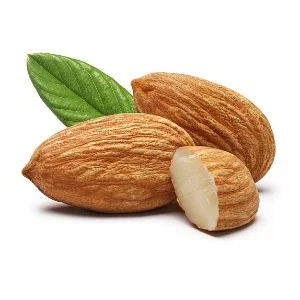
Almond macarons(France)
Difficulty : 2
The macaron is a French patisserie of Italian origin, introduced to France by Catherine de' Medici in the 16th century. The Parisian version with Italian meringue and filling, popularised by Ladurée in the 19th century, has become a symbol of French patisserie worldwide. The macaronage technique demands precision and patience.
- 125g poudre d'amande
- 125g sucre glace
- 125g sucre semoule
- 50g eau
- 2x45g blancs d'œufs (vieillis si possible)
- colorant alimentaire (facultatif)
1. Sift the ground almond and icing sugar. Mix. 2. Whisk 45g of egg whites to stiff peaks. 3. Prepare a syrup with the caster sugar and water (cook to 118°C). 4. Pour the hot syrup in a thin stream over the whisked whites, whilst beating at medium speed until cool (Italian meringue). 5. Incorporate the colouring if desired. 6. Add the remaining 45g of unwhisked egg whites to the ground almond/icing sugar mixture. Mix to form a thick paste. 7. Incorporate the Italian meringue in 3 batches into the paste, macaroning (bottom-to-top movement to expel the air) until a smooth, glossy paste that forms a "ribbon" is obtained. 8. Pipe the shells onto a tray lined with baking paper. Tap the tray to expel air bubbles. 9. Leave to crust (dry in the open air) for 30 min to 1h. 10. Bake in a preheated oven at 140-150°C (285-300°F) for 12-15 minutes (temperature and time to be adjusted according to the oven).
Fill with ganache, buttercream or jam between two shells.
TCM actions : Almond (neutral, sweet, tonifies the Qi, moistens the Lung and the Intestines). Sugar (cold, sweet, tonifies the Spleen). Baking in the oven brings heat.
Nutritional benefits : Source of proteins, fibre, vitamin E. Low glycaemic index if sugar is moderate.
Tarta de Santiago(Spain)
Difficulty : 1
The Tarta de Santiago is a traditional cake from Galicia (north-western Spain), associated with the city of Santiago de Compostela. Its origin dates back to the Middle Ages, and it bears the name of the apostle Saint James. The characteristic decoration with the Cross of Saint James in icing sugar has become its emblem, laid on the cake using a stencil.
- 250g poudre d'amande
- 250g sucre
- 5 œufs
- zeste d'un citron
- 1/2 cuillère à café de cannelle
- sucre glace (pour le décor)
1. Preheat the oven to 180°C (350°F). Butter and flour a tart tin (about 24cm). 2. In a large bowl, beat the eggs with the sugar until the mixture whitens and becomes frothy. 3. Gently incorporate the ground almond, lemon zest and cinnamon. Mix until a homogeneous paste is obtained. 4. Pour the paste into the prepared tin. 5. Bake for 30-40 minutes, or until a skewer inserted in the centre comes out clean. 6. Allow to cool completely before turning out. 7. Place a stencil of the Cross of Saint James on the cake and dust generously with icing sugar. Carefully remove the stencil.
Serve as is, possibly with a coffee.
TCM actions : Almond (neutral, sweet, tonifies the Qi). Lemon (cold, sour, harmonises the Liver). Cinnamon (warm, pungent, tonifies the Yang).
Nutritional benefits : Gluten-free, rich in proteins and fibre thanks to the almonds.
Chicken tajine with almonds and prunes(Morocco)
Difficulty : 1
The tajine is the emblematic dish of Moroccan cuisine, named after the earthenware vessel in which it is cooked. The sweet-savoury combination, typical of Maghrebi cuisine, reflects the influence of trans-Saharan trade routes and the Arab-Muslim influence that introduced spices and dried fruits to North Africa. Prunes and honey bring a sweet dimension that balances the warm spices.
- 1 poulet coupé en morceaux
- 2 oignons émincés
- 100g amandes mondées
- 150g pruneaux dénoyautés
- 1 cuillère à café de gingembre
- 1 cuillère à café de curcuma
- 1/2 cuillère à café de safran
- 1/2 cuillère à café de cannelle
- 1 bâton de cannelle
- 2 cuillères à soupe de miel
- huile d'olive
- sel
- poivre
- eau
1. Soak the prunes in warm water. 2. In a tajine or casserole, brown the chicken pieces in a drizzle of olive oil. Remove the chicken. 3. Sauté the sliced onions until translucent. 4. Return the chicken, add the ginger, turmeric, saffron, ground cinnamon and cinnamon stick. Salt and pepper. Mix. 5. Cover with water to the level and simmer over low heat for 45 minutes to 1 hour. 6. Meanwhile, fry the blanched almonds in a little oil until golden. Drain on absorbent paper. 7. Add the drained prunes and honey to the tajine. Continue cooking 15-20 minutes, until the sauce thickens. 8. Serve hot, garnished with the fried almonds.
Accompany with semolina or bread.
TCM actions : Chicken (warm, sweet, tonifies the Qi and the Blood). Onion (warm, pungent, disperses the Cold). Almond (neutral, sweet). Prunes (cold, sweet/sour, moistens the Intestines). Spices (ginger, turmeric, cinnamon: warm, pungent, disperse the Cold and tonify the Yang).
Nutritional benefits : Balanced dish, rich in proteins, fibre (prunes), and good fats (almonds). Antioxidants from the spices.
Baklava with pistachios and almonds(Turkey/Middle East)
Difficulty : 2
Baklava is a pastry of Ottoman origin whose roots go back to the Byzantine Empire. Considered a luxury dessert, it was served in the sultan's palaces in Istanbul. Each country of the Middle East claims its own version, but the technique of layering filo pastry and flavoured syrup remains common. The golden rule is that the cold syrup is poured over the hot baklava fresh from the oven.
- 500g pâte filo
- 200g amandes concassées
- 200g pistaches concassées
- 200g beurre fondu
- Sirop
- 400g sucre
- 200ml eau
- 1 cuillère à soupe de jus de citron
- 1 bâton de cannelle
- 1 cuillère à soupe d'eau de fleur d'oranger
1. Preheat the oven to 160°C (325°F). 2. Mix the crushed almonds and pistachios. 3. Butter a rectangular dish. Lay a sheet of filo pastry, brush with melted butter. Repeat 5 to 6 times. 4. Spread half of the nut/almond mixture. 5. Cover with 4-5 sheets of filo, buttering each sheet. 6. Spread the rest of the nut/almond mixture. 7. Finish with 5-6 buttered sheets of filo. 8. Cut the baklava into diamonds or squares before baking. 9. Bake for 45-60 minutes, until golden and crispy. 10. During baking, prepare the syrup: mix sugar, water, lemon juice, cinnamon stick. Bring to the boil, simmer 10 minutes. Remove from the heat, add the orange blossom water. Allow to cool. 11. As soon as it comes out of the oven, pour the cold syrup over the hot baklava. Leave to soak for several hours, ideally overnight.
Serve in small pieces, decorated with crushed pistachios.
TCM actions : Almond/Pistachio (neutral, sweet, tonifies the Qi and the Kidney). Sugar (cold, sweet, tonifies the Spleen). Cinnamon (warm, pungent, tonifies the Yang). Orange blossom water (cool, bitter/sweet, harmonises the Liver).
Nutritional benefits : Energetic, rich in healthy fats, proteins and fibre.
Homemade almond butter(United States)
Difficulty : 1
Nut butter has become a staple of modern American cuisine, popularised by the health-food and vegetarian movement since the 1960s. Almond butter, an alternative to peanut butter, is prized for its superior nutritional profile and delicate flavour. Homemade preparation guarantees the absence of additives and hydrogenated oils.
- 250g amandes crues ou légèrement torréfiées
- une pincée de sel (facultatif)
- 1 cuillère à café de miel ou sirop d'érable (facultatif)
1. If using raw almonds, you may roast them in the oven at 150°C (300°F) for 10-15 minutes to intensify the flavour. Allow to cool. 2. Place the almonds in a powerful food processor. 3. Blend. At first, the almonds will turn to powder. 4. Continue blending. The powder will become lumpy, then a thick paste. 5. Keep blending. The oil of the almonds will be released, and the paste will become smoother and creamier (this may take 10-15 minutes or more, depending on the power of your machine). Scrape the sides regularly. 6. Once the desired consistency is reached, add salt and honey/syrup if you wish. Blend briefly to incorporate.
In an airtight jar.
TCM actions : Almond (neutral, sweet, tonifies the Qi, moistens the Lung and the Intestines). Salt (cold, salty, tonifies the Kidney). Honey (neutral, sweet, tonifies the Spleen and the Lung).
Nutritional benefits : Rich in proteins, fibre, vitamin E, magnesium and monounsaturated fatty acids.
Amlou(Morocco)
Difficulty : 1
Amlou is a traditional Berber preparation from south-western Morocco, the region of the argan tree. Considered the "Moroccan Nutella", it combines three emblematic ingredients of Amazigh cuisine: almonds, argan oil and honey. It is traditionally served at festive breakfasts, accompanied by Berber bread (khobz) or msemen.
- 250g amandes mondées et torréfiées
- 100ml huile d'argan alimentaire
- 2-3 cuillères à soupe de miel (selon le goût)
1. Roast the blanched almonds in the oven at 160°C (325°F) for 10-15 minutes, until well golden and fragrant. Allow to cool completely. 2. In a powerful food processor, blend the roasted almonds until a smooth, homogeneous paste is obtained. This may take time and require scraping the sides regularly. 3. Add the argan oil gradually whilst continuing to blend, until the desired consistency (more or less liquid) is reached. 4. Incorporate the honey and blend one last time to mix well.
Serve in a bowl, to spread on bread, crêpes or msemen.
TCM actions : Almond (neutral, sweet, tonifies the Qi). Argan oil (neutral, sweet, nourishes the Blood and the Yin). Honey (neutral, sweet, tonifies the Spleen and the Lung).
Nutritional benefits : Very energetic, rich in essential fatty acids (omega-6 and omega-9), vitamin E, antioxidants.
Almond and vegetable korma(India)
Difficulty : 1
Korma is a dish of Mughal origin, born in the imperial kitchens of North India in the 16th-17th centuries. The term derives from the Turkish 'kavurma' (to braise). The vegetarian version with almonds illustrates the adaptation of court cuisine to the vegetarian traditions of India, where nuts replace meat to bring richness and texture to the sauce.
- 200g légumes mélangés (chou-fleur, petits pois, carottes, haricots verts)
- 1 oignon haché
- 2 gousses d'ail hachées
- 1 morceau de gingembre râpé
- 100g amandes mondées (trempées 30 min)
- 100g yaourt nature
- 1 cuillère à café de garam masala
- 1/2 cuillère à café de curcuma
- 1/2 cuillère à café de cumin en poudre
- 1/4 cuillère à café de piment en poudre (facultatif)
- huile végétale
- sel
- coriandre fraîche pour garnir
1. Blend the soaked almonds with a little water to obtain a smooth paste. 2. In a casserole, heat the oil. Sauté the onion until golden. 3. Add the garlic and ginger, sauté 1 minute. 4. Incorporate the garam masala, turmeric, cumin and chilli. Sauté 30 seconds. 5. Add the chopped vegetables. Mix well. 6. Incorporate the almond paste and the yoghurt. Mix. 7. Add a little water if necessary to obtain a velvety sauce. Salt. 8. Simmer covered over low heat for 15-20 minutes, until the vegetables are tender.
Serve hot with basmati rice or naan, garnished with fresh coriander.
TCM actions : Almond (neutral, sweet). Onion/Garlic/Ginger (warm, pungent, disperse the Cold). Yoghurt (cold, sour, tonifies the Spleen). Spices (warm, pungent, disperse the Cold and tonify the Yang).
Nutritional benefits : Vegetarian dish rich in proteins, fibre, vitamins and minerals.
Amaretti(Italy)
Difficulty : 1
Amaretti are small Italian almond biscuits, originating from Saronno (Lombardy). According to legend, they were created in the 17th century by a young couple in honour of a passing bishop. Their name comes from the Italian 'amaro' (bitter), in reference to the bitter almond used to flavour them. They come in two versions: morbidi (soft) and croccanti (crunchy).
- 200g poudre d'amande
- 200g sucre
- 2 blancs d'œufs
- quelques gouttes d'extrait d'amande amère
1. Preheat the oven to 160°C (325°F). Line a baking tray with baking parchment. 2. In a bowl, mix the ground almond and sugar. 3. In another bowl, lightly beat the egg whites with the bitter almond extract (do not whisk to stiff peaks). 4. Pour the egg whites over the almond/sugar mixture and mix well until a homogeneous, slightly sticky paste is obtained. 5. Form small balls of paste (about 2-3 cm in diameter) and roll them in icing sugar (optional, for a cracked appearance). 6. Place the balls on the baking tray, spacing them slightly. 7. Bake for 15-20 minutes, or until the amaretti are lightly golden at the edges and cracked on top. They should remain soft inside. 8. Allow to cool completely on a wire rack.
Accompanies a coffee or a dessert.
TCM actions : Almond (neutral, sweet, tonifies the Qi). Sugar (cold, sweet, tonifies the Spleen). Egg white (cold, sweet, nourishes the Yin).
Nutritional benefits : Gluten-free, source of proteins and fibre.
Cassava and almond cake(Brazil)
Difficulty : 1
This cake illustrates the culinary fusion in Brazil, where cassava, a staple of indigenous populations since prehistory, meets the almond introduced by Portuguese settlers. Coconut milk testifies to the African heritage transmitted during the slave trade. A popular cake at street festivals and family celebrations in Brazil.
- 250g manioc râpé (frais ou surgelé)
- 100g poudre d'amande
- 200ml lait de coco
- 100ml lait
- 3 œufs
- 150g sucre
- 50g beurre fondu
- 1 cuillère à café de levure chimique
- zeste d'un citron vert
1. Preheat the oven to 180°C (350°F). Butter and flour a cake tin. 2. In a large bowl, mix the grated cassava, ground almond, coconut milk and milk. Leave to rest 10 minutes. 3. In another bowl, beat the eggs with the sugar until the mixture whitens. 4. Incorporate the melted butter and lime zest. 5. Add this mixture to the cassava mixture. Mix well. 6. Incorporate the baking powder. 7. Pour the paste into the prepared tin and bake for 45-55 minutes, or until a skewer inserted in the centre comes out clean.
Serve warm or cold, possibly with a caramel sauce or fresh fruits.
TCM actions : Cassava (neutral, sweet, tonifies the Spleen). Almond (neutral, sweet). Coconut milk (cold, sweet, nourishes the Yin). Lime (cold, sour, harmonises the Liver).
Nutritional benefits : Gluten-free, source of energy, fibre and healthy fats.
Quinoa salad with almonds and dried apricots(Oceania/Australia)
Difficulty : 1
This salad is part of the tradition of modern Australian cuisine, which has fused Asian, Mediterranean and local influences since the 1980s. Quinoa, from the Andes, was adopted by the Oceanian health-food cuisine for its exceptional nutritional profile, whilst dried apricots recall the historical links with Middle Eastern cuisine.
- 200g quinoa
- 400ml bouillon de légumes
- 100g amandes effilées torréfiées
- 100g abricots secs coupés en dés
- 1/2 concombre coupé en dés
- quelques feuilles de menthe fraîche hachée
- jus d'un citron
- 2 cuillères à soupe d'huile d'olive
- sel
- poivre
1. Rinse the quinoa with cold water. 2. In a pan, bring the stock to the boil. Add the quinoa, reduce the heat, cover and cook 15 minutes, until the liquid is absorbed. Leave to rest 5 minutes, then fluff with a fork. Allow to cool. 3. Dry-roast the flaked almonds in a pan until golden. Allow to cool. 4. In a large salad bowl, mix the cooled quinoa, the roasted almonds, the dried apricots and the cucumber. 5. In a small bowl, prepare the dressing with the lemon juice, olive oil, salt and pepper. 6. Pour the dressing over the salad and mix. 7. Add the fresh mint just before serving.
Serve fresh as a light main course or as a side.
TCM actions : Quinoa (neutral, sweet, tonifies the Qi). Almond (neutral, sweet). Dried apricot (neutral, sweet, tonifies the Qi and the Blood). Cucumber (cold, sweet, clears the Heat). Mint (cool, pungent, disperses the Wind-Heat).
Nutritional benefits : Rich in complete plant proteins (quinoa), fibre, vitamins and minerals.
Cold almond soup (Ajoblanco)(Spain)
Difficulty : 1
Ajoblanco is a cold Andalusian soup whose origins go back to the Roman and Arab era. Considered the forerunner of gazpacho, it is particularly popular in Málaga and Córdoba. Its name literally means "white garlic" in Spanish. It is traditionally served at the festivals of the Andalusian summer, accompanied by fresh grapes.
- 200g amandes mondées (trempées une nuit)
- 2 gousses d'ail
- 100g mie de pain (rassis)
- 50ml huile d'olive extra vierge
- 500ml eau très froide
- 2 cuillères à soupe de vinaigre de vin blanc
- sel
- raisins blancs (pour garnir)
- amandes effilées torréfiées (pour garnir)
- filet d'huile d'olive (pour garnir)
1. Drain and rinse the soaked almonds. 2. In a powerful blender, place the almonds, garlic, bread crumb and a pinch of salt. Blend until a coarse paste is obtained. 3. Add the very cold water gradually whilst blending, until a smooth and creamy consistency is obtained. 4. Add the vinegar and olive oil in a thin stream whilst continuing to blend. 5. Taste and adjust the seasoning (salt, vinegar). 6. Pass the soup through a fine sieve for an ultra-smooth texture if desired. 7. Refrigerate at least 2 hours before serving.
Serve in chilled bowls, garnished with a few halved white grapes, roasted flaked almonds and a drizzle of olive oil.
TCM actions : Almond (neutral, sweet). Garlic (warm, pungent, disperses the Cold). Bread (neutral, sweet, tonifies the Spleen). Olive oil (neutral, sweet, moistens the Lung and the Intestines). Vinegar (cold, sour, harmonises the Liver).
Nutritional benefits : Refreshing, rich in healthy fats, proteins and fibre.
Chicken with almonds and apricots(France)
Difficulty : 1
This savoury dish is inspired by the cuisine of eastern France, where the almond is used to bring crunch and richness to poultry dishes. The chicken-almond-apricot combination reflects the influence of Eastern cuisines and the tradition of French festive dishes, where dried fruits accompany white meats.
- 4 blancs de poulet
- 100g amandes effilées
- 150g abricots secs
- 1 oignon émincé
- 2 cuillères à soupe d'huile d'olive
- 200ml bouillon de volaille
- 1 cuillère à soupe de miel
- thym frais
- sel
- poivre
1. Soak the dried apricots in warm water. 2. In a pan, brown the chicken breasts in olive oil. Remove them. 3. Sauté the sliced onion until translucent. 4. Return the chicken, add the stock, honey, thyme, salt and pepper. 5. Simmer over low heat for 20 minutes. 6. Add the drained apricots and continue cooking 10 minutes. 7. Dry-roast the flaked almonds in a pan. 8. Serve the chicken napped with the sauce, garnished with the roasted almonds.
Serve with rice or roasted potatoes.
TCM actions : Chicken (warm, sweet, tonifies the Qi and the Blood). Almond (neutral, sweet, moistens the Lung and the Intestines). Dried apricot (neutral, sweet, tonifies the Qi and the Blood). Onion (warm, pungent, disperses the Cold). Honey (neutral, sweet, tonifies the Spleen and the Lung).
Nutritional benefits : Rich in proteins, fibre (apricots), vitamin E and healthy fats (almonds).
Chicken Yassa with almonds(Senegal)
Difficulty : 1
Yassa is an emblematic dish of Senegal, originating from the Casamance region. It illustrates the influence of trade exchanges between West Africa and Europe, which introduced onions, mustard and vinegar into African cuisine. This adaptation with roasted almonds brings a touch of crunch and nutritional richness to the traditional dish.
- 1 poulet coupé en morceaux
- 4 oignons émincés
- 2 gousses d'ail hachées
- 1 cuillère à café de gingembre frais râpé
- 100g amandes concassées torréfiées
- 100ml jus de citron vert
- 50ml vinaigre de cidre
- 2 cuillères à soupe de moutarde de Dijon
- 1 piment (facultatif)
- huile végétale
- sel
- poivre
1. In a large bowl, mix the lime juice, vinegar, mustard, garlic, ginger, chilli (if used), salt and pepper. 2. Marinate the chicken pieces in this preparation for at least 2 hours, ideally overnight in the fridge. 3. Drain the chicken (keep the marinade). Brown the chicken pieces in a casserole with a little oil. Remove the chicken. 4. In the same casserole, sauté the sliced onions until well golden and soft. 5. Return the chicken to the casserole with the onions. Pour in the marinade. 6. Add a little water if necessary to cover the chicken. Simmer over low heat for 30-40 minutes, until the chicken is tender and the sauce thickened. 7. Incorporate the roasted crushed almonds just before serving.
Serve with white rice.
TCM actions : Chicken (warm, sweet, tonifies the Qi and the Blood). Onion/Garlic/Ginger (warm, pungent, disperse the Cold). Lime/Vinegar (cold, sour, harmonise the Liver). Almond (neutral, sweet).
Nutritional benefits : Rich in proteins, vitamins (lime) and healthy fats.
Sweet potato mash with almonds and cinnamon(United States)
Difficulty : 1
The sweet potato, native to Central America, has been a staple of American cuisines for millennia. This reinterpreted mash with almonds and cinnamon is inspired by the Thanksgiving traditions of North America, where the sweet potato is essential, and by the influence of spices introduced by colonial trade.
- 2 grosses patates douces
- 50g beurre
- 50ml lait (ou lait d'amande)
- 50g amandes effilées torréfiées
- 1 cuillère à café de cannelle
- 2 cuillères à soupe de sirop d'érable (facultatif)
- sel
1. Peel the sweet potatoes and cut them into pieces. Steam or boil them until very tender. 2. Drain the sweet potatoes well. 3. In a pan, mash the sweet potatoes with a potato masher. 4. Add the butter, milk, cinnamon, maple syrup (if used) and a pinch of salt. Mix well until a smooth, homogeneous mash is obtained. 5. Dry-roast the flaked almonds in a pan until golden. 6. Incorporate half of the roasted almonds into the mash.
Serve hot, garnished with the rest of the roasted almonds.
TCM actions : Sweet potato (neutral, sweet, tonifies the Spleen and the Qi). Butter (neutral, sweet, tonifies the Spleen). Milk (neutral, sweet, tonifies the Qi and the Blood). Almond (neutral, sweet). Cinnamon (warm, pungent, tonifies the Yang). Maple syrup (neutral, sweet, tonifies the Spleen).
Nutritional benefits : Rich in vitamin A (beta-carotene), fibre, potassium. Source of energy.
Almond and date cake(Middle East/North Africa)
Difficulty : 1
This cake illustrates the pastry tradition of the Middle East and North Africa, where dates and almonds are sacred ingredients since Antiquity. Cardamom, a precious spice imported by Arab caravans, gives it a characteristic oriental perfume. It is often served at Ramadan celebrations and family feasts.
- 200g dattes dénoyautées
- 150g poudre d'amande
- 100g farine
- 3 œufs
- 100g sucre
- 100ml huile végétale
- 1 cuillère à café de levure chimique
- 1/2 cuillère à café de cardamome en poudre
- 50g amandes effilées pour la garniture
1. Preheat the oven to 180°C (350°F). Butter and flour a cake tin. 2. Coarsely chop the dates. 3. In a large bowl, beat the eggs with the sugar until the mixture whitens. 4. Add the vegetable oil and mix. 5. Incorporate the ground almond, flour, baking powder and ground cardamom. Mix until a homogeneous paste is obtained. 6. Add the chopped dates and mix gently. 7. Pour the paste into the prepared tin. 8. Sprinkle flaked almonds on top. 9. Bake for 40-50 minutes, or until a skewer inserted in the centre comes out clean.
Serve warm or cold, possibly with a cup of mint tea.
TCM actions : Date (warm, sweet, tonifies the Spleen and the Qi). Almond (neutral, sweet). Egg (neutral, sweet, tonifies the Yin and the Blood). Cardamom (warm, pungent, harmonises the Spleen and the Stomach).
Nutritional benefits : Rich in fibre, potassium, energy. Source of proteins.
Smoked almond, chickpea cream and almond oil(Spain/Andalusia)
Difficulty : 3
This recipe is inspired by the cuisine of Dani García and Andoni Luis Aduriz, Michelin-starred Spanish chefs who have reinvented Andalusian cuisine with modern techniques. The combination of smoked almond and chickpea cream pays homage to the deep flavours of Andalusia, where the almond and legumes are pillars of the reinterpreted traditional cuisine.
- 200g amandes mondées
- 300g pois chiches cuits
- 50ml huile d'amande
- 2 gousses d'ail
- 1 cuillère à soupe de tahini
- jus d'un demi-citron
- copeaux de bois de chêne pour fumage
- fleur de sel
- huile d'olive extra vierge
1. Cold-smoke the blanched almonds for 3-4 hours with oak chips. 2. Prepare the chickpea cream: blend the cooked chickpeas with the garlic, tahini, lemon juice and a drizzle of olive oil until a smooth cream is obtained. 3. Season with fleur de sel. 4. Arrange the chickpea cream in the centre of the plate. 5. Coarsely crush the smoked almonds and place them on the cream. 6. Pour a drizzle of almond oil around the cream. 7. Decorate with a few whole smoked almonds.
Plated dish with the cream in the centre, crushed smoked almonds on top, a drizzle of almond oil.
TCM actions : Almond (neutral, sweet, moistens the Lung and the Intestines). Chickpea (neutral, sweet, tonifies the Spleen). Garlic (warm, pungent, disperses the Cold). Almond oil (neutral, sweet, moistens the Intestines).
Nutritional benefits : Rich in plant proteins, fibre, vitamin E and monounsaturated fatty acids.
Almond caviar and saffron jelly(Spain/modern)
Difficulty : 3
This molecular recipe is part of the tradition of Spanish avant-garde cuisine, popularised by Ferran Adrià and elBulli. The spherification of almond milk creates pearls that explode in the mouth, whilst the saffron jelly brings a visual and aromatic dimension typical of modern Iberian cuisine.
- 300ml lait d'amande
- 2g alginate de sodium
- 2g chlorure de calcium
- 500ml eau (pour le bain de calcium)
- 0.5g safran en pistils
- 1g gellane
- 100ml eau
- extrait d'amande amère (quelques gouttes)
1. Prepare the almond caviar: mix the almond milk with the sodium alginate using a stick blender. Leave to rest 30 minutes to eliminate air bubbles. 2. Prepare the calcium bath: dissolve the calcium chloride in the water. 3. Using a pipette or syringe, drop droplets of the almond milk/alginate mixture into the calcium bath. The droplets gel instantly, forming pearls. 4. Collect the pearls with a slotted spoon and rinse them in clear water. 5. Prepare the saffron jelly: infuse the saffron pistils in hot water. 6. Add the gellan to the saffron infusion and bring to the boil. 7. Pour into a flat mould and leave to set in the fridge. 8. Cut the saffron jelly into small cubes. 9. Arrange the almond pearls on a bed of saffron jelly.
Translucent almond pearls on golden saffron jelly, in a glass or on a plate.
TCM actions : Almond (neutral, sweet, moistens the Lung and the Intestines). Saffron (warm, sweet, tonifies the Qi and harmonises the Blood).
Nutritional benefits : Light and aromatic, source of vitamin E and antioxidants (saffron).
Romesco sauce(Spain/Catalonia)
Difficulty : 1
Romesco sauce is an emblematic sauce of Catalan cuisine, originating from Tarragona. It traditionally accompanies the calçots (grilled tender onions) at calçotades, Catalan popular festivals. Based on almonds, tomatoes, peppers and bread, it illustrates the savoury use of the almond in Iberian cuisine, where it replaces pine nuts to create rich and unctuous sauces.
- 100g amandes mondées
- 50g amandes torréfiées
- 3 tomates mûres
- 1 poivron rouge
- 1 gousse d'ail
- 1 tranche de pain rassis
- 30ml vinaigre de xérès
- 100ml huile d'olive extra vierge
- 1 piment nyora (ou piment doux séché)
- sel
1. Grill the red pepper in the oven until the skin blackens. Peel and deseed it. 2. Soak the nyora pepper in warm water. 3. Dry-roast the blanched almonds in a pan. 4. Grill the whole tomatoes in the oven, then peel them. 5. In a mortar or processor, blend the roasted almonds, garlic, stale bread, drained nyora pepper, grilled tomatoes and pepper. 6. Add the sherry vinegar and mount the sauce with olive oil in a thin stream like a mayonnaise. 7. Season with salt.
Serve fresh, as an accompaniment to calçots, grilled fish or roasted vegetables.
TCM actions : Almond (neutral, sweet, moistens the Lung and the Intestines). Tomato (cool, sweet/sour, clears the Heat). Pepper (warm, sweet, tonifies the Spleen). Garlic (warm, pungent, disperses the Cold). Olive oil (neutral, sweet, moistens the Intestines).
Nutritional benefits : Rich in vitamin E, antioxidants (tomato, pepper), fibre and healthy fats.