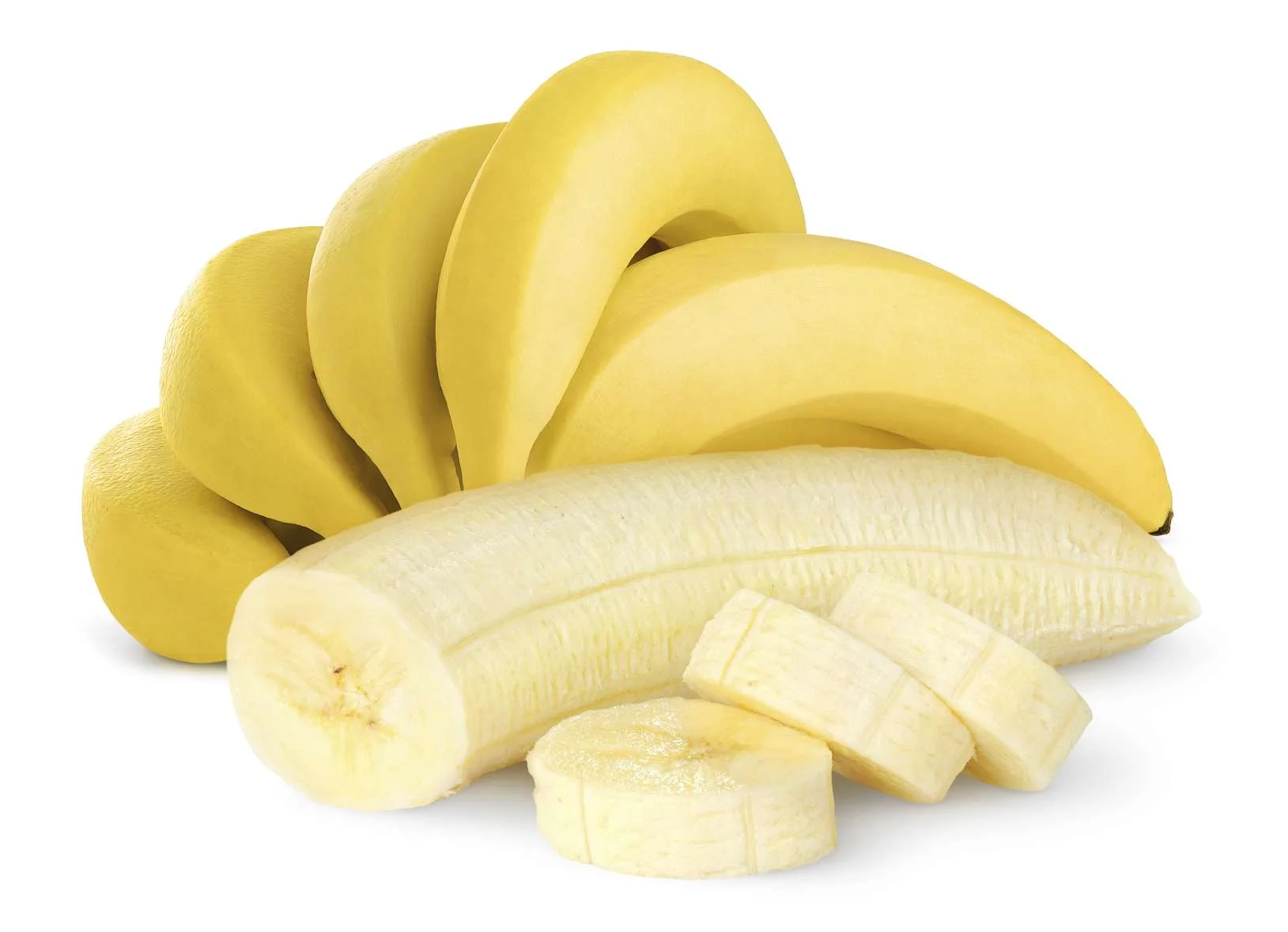
Bananas Foster(United States)
Difficulty : 2
Created in 1951 at Brennan's Restaurant in New Orleans, this iconic dessert was named in honour of Richard Foster, a customer and friend of the owner. It illustrates the art of Louisiana Creole cuisine, combining rum and caramelised bananas in a tableside flambé spectacle.
- 4 ripe but firm bananas
- 1/4 cup (60g) unsalted butter
- 1/2 cup (100g) brown sugar
- 1/4 cup (60ml) orange juice
- 1/2 teaspoon ground cinnamon
- 1/4 cup (60ml) dark rum
- 1/2 cup (120ml) banana liqueur (optional)
- vanilla ice cream to serve
Peel the bananas and cut them in half lengthwise, then in half crosswise. In a large pan over medium heat, melt the butter. Add the brown sugar and cinnamon, stir until the sugar is dissolved and forms a syrup. Add the bananas and cook 1-2 minutes on each side until slightly softened and caramelised. Remove the pan from the heat. Carefully pour in the rum (and banana liqueur if using). Return the pan to the heat and flambé (tilt the pan towards the flame or light with a long match). Allow the flames to extinguish naturally. Stir in the orange juice. Serve immediately over vanilla ice cream.
Serve warm in individual bowls, a scoop of vanilla ice cream on the side, drizzled with the warm sauce.
TCM actions : The banana is of cold nature, sweet. It moistens the intestines, clears heat. Rum is of hot nature. This dish, though indulgent, can be considered balanced thermally if consumed in moderation, the rum tempering the coldness of the banana.
Nutritional benefits : Rich in potassium, Vitamin B6. High energy intake due to sugars and fats. To be consumed in moderation due to its sugar content.
Tostones(Caribbean / Latin America)
Difficulty : 1
Tostones are an essential accompaniment of Caribbean and Latin American cuisine, eaten from Cuba to Colombia. This popular dish takes advantage of green plantains, a staple food of these regions since pre-Columbian times, fried twice to achieve a crispy texture.
- 3 green plantains
- 1 litre vegetable oil for frying
- 1 teaspoon salt
- 1/2 cup (120ml) cold water
Peel the plantains by cutting the ends and making an incision along the skin, then removing it. Cut the plantains into sections about 2-3 cm thick. Heat the oil to 170°C in a deep fryer or large pan. Fry the plantain sections for 3-4 minutes until lightly golden and softened. Remove and drain on kitchen paper. Using a tostone press (or the bottom of a glass), flatten each section to form a flat disc about 0.5 cm thick. Mix the salt with the cold water. Quickly dip each flattened tostone in the salted water (optional, but adds flavour). Return the tostones to the hot oil (180°C) and fry again 2-3 minutes on each side until crispy and golden. Drain on kitchen paper and serve immediately.
Serve hot, often with a garlic sauce (mojo) or guacamole.
TCM actions : The green plantain is of neutral to slightly cool nature, sweet flavour. It tonifies the Spleen and Stomach, aids digestion (resistant starch). Frying adds heat.
Nutritional benefits : Rich in resistant starch (prebiotic), fibre, potassium and Vitamin C. Frying increases the caloric and lipid intake.
Moqueca de Peixe com Banana da Terra(Brazil)
Difficulty : 2
Moqueca is a traditional fish stew from Bahia, Brazil, whose roots trace back to Afro-Brazilian cuisine. The addition of ripe plantain and dendê oil (red palm oil) reflects the African culinary heritage passed down by enslaved people on the Brazilian coast.
- 500g firm white fish (cod, grouper)
- 2 ripe plantains (almost black)
- 1 onion
- 2 garlic cloves
- 1 red pepper
- 1 green pepper
- 400ml coconut milk
- 200g chopped tomatoes
- 1/2 cup (120ml) dendê oil (red palm oil)
- juice of 1 lime
- fresh coriander
- salt
- pepper
Cut the fish into large pieces, season with salt, pepper and lime juice. Leave to marinate for 15 minutes. Peel the plantains and cut into thick slices. In a large earthenware casserole (ideally) or heavy pan, heat the dendê oil over medium heat. Sauté the chopped onion, sliced garlic, diced peppers for 5-7 minutes until tender. Add the chopped tomatoes and simmer for 5 minutes. Add the coconut milk and bring to a gentle boil. Arrange the fish pieces and plantain slices in the sauce. Reduce the heat, cover and simmer for 15-20 minutes, or until the fish is cooked and the plantains are tender. Do not stir too often to avoid breaking the fish. Taste and adjust the seasoning. Sprinkle generously with chopped fresh coriander before serving.
Serve directly from the casserole, accompanied by white rice and farofa.
TCM actions : The fish is of neutral nature, tonifies Qi and Blood. The ripe plantain is sweet and nourishing. Coconut milk is rich and of neutral nature. The spices (garlic, pepper) bring heat and stimulate circulation. A balanced dish, nourishing and warming.
Nutritional benefits : Rich in protein (fish), fibre (plantain), healthy fatty acids (dendê oil, coconut milk). Source of Vitamins A, C, B6 and potassium.
Green Banana Curry(India / Sri Lanka)
Difficulty : 2
This curry illustrates the use of green bananas as a vegetable in the cuisine of the Indian subcontinent and Sri Lanka. Green bananas, rich in resistant starch, are cooked in savoury dishes well before reaching their sweet maturity, an ancient practice of the tropical regions of South Asia.
- 3 green bananas (unripe)
- 1 onion
- 2 garlic cloves
- 1 piece of ginger (2cm)
- 1 green chilli (optional)
- 1 teaspoon mustard seeds
- 1/2 teaspoon cumin seeds
- 1/2 teaspoon ground turmeric
- 1 teaspoon curry powder
- 400ml coconut milk
- 1 cup (240ml) water
- curry leaves (optional)
- juice of 1/2 lime
- vegetable oil
- salt
Peel the green bananas (it is easier under running water or by boiling them for 5 min before peeling). Cut into sections about 2-3 cm. Immediately plunge into cold water with some lime juice to prevent oxidation. Chop the onion, garlic and ginger. Cut the green chilli in half (if using). In a pan, heat 2 tablespoons of oil. Add the mustard and cumin seeds, let them pop. Add the onion, garlic, ginger and green chilli. Sauté for 5 minutes until the onion is translucent. Stir in the turmeric and curry powder. Cook for 1 minute, stirring. Add the green banana sections, coconut milk, water and curry leaves. Add salt. Bring to the boil, then reduce the heat, cover and simmer for 20-25 minutes, or until the bananas are tender. Remove from the heat, stir in the lime juice.
Serve hot with basmati rice or naan bread.
TCM actions : The green banana is of cool to neutral nature, sweet flavour. It astringes and aids digestion. Coconut milk is nourishing. The spices (ginger, chilli, mustard) are hot and pungent, stimulating digestion and circulation. Turmeric is bitter and clears heat. A balanced dish, stimulating and nourishing.
Nutritional benefits : Rich in resistant starch, fibre, potassium. Turmeric is a powerful antioxidant and anti-inflammatory.
Pisang Goreng(Indonesia / Malaysia)
Difficulty : 1
Pisang Goreng, literally 'fried banana' in Indonesian and Malay, is a popular street snack throughout Southeast Asia. Introduced by Arab and Portuguese traders, this batter-frying technique has become an iconic snack of Indonesian and Malay night markets.
- 6 ripe plantain bananas (yellow with some black spots)
- 1 cup (120g) rice flour
- 1/4 cup (30g) wheat flour
- 1 tablespoon sugar
- 1/2 teaspoon salt
- 1/2 teaspoon baking powder
- 1/2 cup (120ml) iced water
- vegetable oil for frying
Peel the plantain bananas and cut them in half lengthwise, then in half crosswise. In a large bowl, mix the rice flour, wheat flour, sugar, salt and baking powder. Add the iced water gradually, whisking until obtaining a smooth and thick batter. Heat the vegetable oil to 170°C in a deep fryer or deep pan. Dip each banana piece in the batter, ensuring it is well coated. Fry the battered bananas in batches for 3-4 minutes, turning them, until golden and crispy. Remove and drain on kitchen paper.
Serve hot, plain or dusted with icing sugar, with a scoop of ice cream or chocolate sauce.
TCM actions : The ripe plantain is sweet and nourishing, tonifies the Spleen and Stomach. Frying adds heat and dampness. To be consumed in moderation to avoid the accumulation of internal dampness.
Nutritional benefits : Source of quick energy, potassium, Vitamin B6. Frying increases the caloric and lipid intake.
Mofongo de Plátano(Puerto Rico)
Difficulty : 2
Mofongo is an iconic dish of Puerto Rico, a heritage of Afro-Caribbean cuisine. It is said to be inspired by African fufu, adapted with green plantains pounded in a mortar (pilón). It is a fundamental dish of Puerto Rican culinary identity, often stuffed with meat or seafood.
- 3 green plantains
- 1/2 cup (120ml) vegetable oil
- 4 garlic cloves
- 1/4 cup (60ml) chicken stock (or vegetable stock)
- 2 tablespoons fried pork rind (chicharrón) or crispy bacon (omitted for pork-free diets, replace with crispy fried onions)
- salt
Peel the plantains and cut into sections about 2-3 cm. Heat the vegetable oil to 170°C. Fry the plantain sections for 5-7 minutes until tender but not golden. Remove and drain. In a mortar and pestle (pilón), crush the garlic cloves with a pinch of salt to make a paste. Add the fried plantain pieces in small quantities to the mortar. Pound vigorously, gradually adding the chicken stock (or vegetable stock) to help bind and soften. Incorporate the crushed chicharrónes (or crispy substitute). Continue pounding until obtaining a homogeneous paste but with still some texture. Shape the paste into balls or a dome shape.
Serve hot, often accompanied by chicken stock, seafood or meat in sauce.
TCM actions : The green plantain is of neutral to slightly cool nature, tonifies the Spleen. Garlic is hot and pungent, stimulating. The stock is nourishing. A warming and fortifying dish.
Nutritional benefits : Rich in resistant starch, fibre, potassium. Source of energy.
Banana Bread(United States / International)
Difficulty : 1
Banana Bread is a classic of American cuisine born in the 1930s, popularised during the Great Depression to use overripe bananas. It has become a symbol of home comfort food and family cooking across the English-speaking world.
- 3 very ripe bananas (mashed)
- 1 1/2 cups (190g) plain flour
- 1 teaspoon bicarbonate of soda
- 1/2 teaspoon salt
- 1/2 teaspoon cinnamon (optional)
- 1/2 cup (115g) unsalted butter, softened
- 1 cup (200g) granulated sugar (or 1/2 white sugar, 1/2 brown sugar)
- 2 large eggs
- 1 teaspoon vanilla extract
Preheat the oven to 175°C. Grease and flour a 23x13 cm loaf tin. In a medium bowl, mix the flour, bicarbonate of soda, salt and cinnamon. In a large bowl, cream the butter and sugar until light and fluffy. Incorporate the eggs one by one, then the vanilla extract. Add the mashed bananas and mix well. Gradually fold the dry ingredients into the wet mixture, mixing just enough to combine (do not overmix). Pour the batter into the prepared tin and bake for 50-60 minutes, or until a skewer inserted in the centre comes out clean. Leave to cool in the tin for 10 minutes before turning out and cooling completely on a wire rack.
Sliced, plain, toasted, or with butter.
TCM actions : The very ripe banana is sweet and of cold nature, moistens. Sugar and butter are also nourishing and generate dampness. To be consumed in moderation to avoid the accumulation of dampness and stagnation.
Nutritional benefits : Source of energy, fibre (banana), potassium. High sugar and fat content.
Banana and Coconut Cake(Philippines / Southeast Asia)
Difficulty : 1
This cake illustrates the influence of coconut in Philippine and Southeast Asian pastry, a heritage of trade exchanges with Southeast Asia. The banana-coconut combination is a classic of tropical desserts, where coconut milk often replaces cow's milk.
- 2 cups (250g) flour
- 1 teaspoon bicarbonate of soda
- 1/2 teaspoon salt
- 1/2 cup (115g) butter, softened
- 1 cup (200g) sugar
- 2 eggs
- 1 teaspoon vanilla extract
- 1 cup (240ml) coconut milk
- 3 very ripe bananas, mashed
- 1 cup (100g) desiccated coconut
Preheat the oven to 180°C. Grease and flour a 23 cm round cake tin. In a bowl, mix the flour, bicarbonate of soda and salt. In a large bowl, cream the butter and sugar. Add the eggs one by one, then the vanilla. Alternately incorporate the dry ingredients and the coconut milk into the wet mixture, starting and ending with the dry ingredients. Add the mashed bananas and desiccated coconut, fold gently. Pour the batter into the tin and bake for 30-35 minutes, or until a skewer comes out clean.
Dusted with toasted coconut or with a cream cheese frosting.
TCM actions : The banana is cold and sweet, moistens. Coconut milk and coconut are nourishing and generate dampness. This cake is very nourishing and rich in flavours.
Nutritional benefits : Source of energy, fibre, potassium. Coconut provides medium-chain fatty acids.
Stuffed Plantain(West Africa)
Difficulty : 2
Stuffed plantains are a traditional dish of West Africa, where ripe plantain is hollowed out and filled with spiced meat. This stuffing technique reflects the ingenuity of African cuisines that transform a humble fruit into a complete and festive dish, commonly served at large gatherings.
- 4 ripe plantains (yellow with black spots)
- 200g minced meat (beef, chicken or lamb)
- 1 onion
- 2 garlic cloves
- 1 pepper
- 1 tomato
- spices (curry, paprika, cumin)
- 1/2 cup (120ml) stock
- vegetable oil
- salt
- pepper
Peel the plantains. Cut a deep slit along the side of each plantain, without cutting all the way through, to create a pocket. In a pan, heat 1 tablespoon of oil. Sauté the chopped onion, sliced garlic, diced pepper and tomato. Add the minced meat and brown. Season with the spices, salt and pepper. Pour in the stock and simmer until the liquid is absorbed. Carefully stuff each plantain with the meat preparation. In another pan, heat some oil. Brown the stuffed plantains on each side for 5-7 minutes, until tender and slightly caramelised.
Serve hot, on its own or with a green salad.
TCM actions : The ripe plantain is sweet and nourishing. The meat is of hot nature and tonifies Qi and Blood. The spices are hot and pungent, stimulating digestion. A nourishing and warming dish.
Nutritional benefits : Rich in protein, fibre, potassium, vitamins. A complete and balanced dish.
Banana and Rum Ravioli (Reverse Spherification)(International / Molecular Cuisine)
Difficulty : 3
Reverse spherification technique popularised by Ferran Adrià at elBulli (Catalonia, 2000s), here adapted to banana to create liquid ravioli with a core of banana purée and rum, encapsulated in an alginate membrane.
- 200g very ripe banana purée
- 30ml dark rum
- 15g calcium lactate (3%)
- 2g sodium alginate (0.5%)
- 400ml water
- vanilla sugar (optional)
Blend the banana purée with the rum and calcium lactate until smooth. In a pan, dissolve the sodium alginate in the water at 60°C, blending with a hand blender to avoid lumps. Allow to cool to room temperature. Using a spherification spoon or syringe, gently deposit beads of banana purée into the alginate bath. Leave to gel for 1-2 minutes depending on the desired size. Remove the ravioli with a slotted spoon and rinse in a clear water bath. Serve immediately.
Arrange 3-4 ravioli in a serving spoon, on a bed of caramelised banana chips, with a drizzle of rum caramel.
TCM actions : The banana is cold and sweet, moistens and clears heat. Rum is hot and warming. Spherification concentrates the flavours. A dish of distinction, to be consumed in moderation.
Nutritional benefits : Concentration of banana aromas without dilution. Potassium and dopamine intake preserved. Technique without added fat.
Green Banana and Peanut Salad(Thailand / Southeast Asia)
Difficulty : 2
This salad illustrates the art of Thai salad cuisine (yam), where the balance of sweet-sour-salty-spicy is fundamental. The use of raw green bananas in julienne is a Southeast Asian speciality that values the crunch and freshness of this fruit before maturity.
- 2 green bananas
- 1/4 cup (60ml) lime juice
- 1 tablespoon fish sauce
- 1 tablespoon palm sugar
- 1 fresh red chilli
- 2 garlic cloves
- 1/4 cup (30g) roasted unsalted peanuts
- 1/4 cup (10g) fresh coriander
- 1/4 cup (10g) fresh mint
- 1/4 red onion, thinly sliced
Peel the green bananas (wear gloves to avoid the sticky sap). Cut into very thin slices or julienne. Immediately plunge into iced water with some lime juice to prevent oxidation and retain the crunch. In a mortar and pestle, crush the garlic and chilli. Add the palm sugar and crush until obtaining a paste. Incorporate the lime juice and fish sauce. Taste and adjust the seasoning (should be balanced between sweet, salty, sour and spicy). Drain and dry the green bananas. In a large bowl, combine the green bananas, sliced red onion, coriander and mint. Pour the sauce over the salad and toss gently. Add the crushed peanuts just before serving.
Serve fresh, as a starter or as a side.
TCM actions : The green banana is cool and astringent. The chilli and garlic are hot and pungent. The lime is sour and cool. Coriander and mint are refreshing. A stimulating, refreshing dish that clears heat.
Nutritional benefits : Rich in fibre, Vitamin C, potassium. Low in calories. Peanuts provide protein and healthy fats.
Pastelón(Dominican Republic / Puerto Rico)
Difficulty : 2
Pastelón is an iconic dish of the Dominican Republic and Puerto Rico, often called 'plantain lasagne'. It illustrates the fusion of Caribbean and European traditions, where ripe plantains replace pasta in a layered structure typical of Mediterranean gratins.
- 6 ripe plantains (very yellow with black spots)
- 500g minced meat (beef or chicken)
- 1 onion
- 2 garlic cloves
- 1 pepper
- 1 tomato
- 1/2 cup (120ml) tomato sauce
- 1/2 cup (120ml) stock
- 100g grated cheese (mozzarella, cheddar)
- 2 beaten eggs
- vegetable oil
- salt
- pepper
- spices (cumin, oregano)
Peel the plantains and cut them into thin lengthwise slices. Fry the plantain slices in hot oil until golden and tender. Drain on kitchen paper. In another pan, sauté the chopped onion, sliced garlic, diced pepper and tomato. Add the minced meat and brown. Season with the spices, salt and pepper. Incorporate the tomato sauce and stock. Simmer until the liquid is reduced. Preheat the oven to 180°C. In a gratin dish, alternate layers of fried plantains, minced meat and grated cheese. Finish with a layer of plantains. Pour the beaten eggs over the top. Bake for 25-30 minutes, or until the cheese is melted and golden.
Serve hot, cut into portions, like a lasagne.
TCM actions : The ripe plantain is sweet and nourishing. The meat is hot and tonifies. The cheese is rich and nourishing. A very nourishing and warming dish, to be consumed in moderation in cases of dampness stagnation.
Nutritional benefits : Rich in protein, complex carbohydrates, fibre. Source of calcium (cheese).
Caramelised Banana with Tahini and Cardamom(Lebanon / Middle East)
Difficulty : 1
This dessert illustrates the art of Lebanese and Levantine pastry, where tahini (sesame paste) and cardamom are emblematic ingredients. The banana-tahini-cardamom combination reflects the creativity of modern Middle Eastern cuisines that marry tropical fruits with local ingredients in lightly sweetened, fragrant desserts.
- 2 ripe but firm bananas
- 2 tablespoons tahini (sesame paste)
- 1 tablespoon butter
- 1 tablespoon honey (or maple syrup)
- 1/4 teaspoon ground cardamom
- 1 pinch of fleur de sel
- crushed pistachios to garnish
Peel the bananas and cut into thick slices. In a pan over medium heat, melt the butter. Add the banana slices and cook 1-2 minutes on each side until lightly caramelised. Pour in the honey and sprinkle with cardamom. Stir gently to coat the bananas. Remove from the heat. In two bowls, distribute the tahini at the bottom. Arrange the caramelised bananas on top. Sprinkle with crushed pistachios and a pinch of fleur de sel.
Serve warm in individual bowls, with an extra drizzle of tahini on top.
TCM actions : The banana is cold and sweet, moistens the intestines. Tahini (sesame) is sweet and nourishing, tonifies Yin and Body Fluids. Cardamom is warm and pungent, warms the Spleen and transforms dampness. Honey is sweet and neutral. A balanced dessert, nourishing and slightly warming thanks to the spices.
Nutritional benefits : Rich in potassium (banana), unsaturated fatty acids and calcium (tahini), antioxidants (cardamom, pistachios). Source of energy. Tahini provides plant proteins.
Banana Ice Cream 'Nice Cream'(International / Vegan)
Difficulty : 1
'Nice Cream' is a recent innovation of the international vegan movement, popularised on social media. It exploits the naturally creamy texture of frozen blended bananas to create a healthy alternative to traditional ice cream, with no added sugar or fat.
- 4 very ripe bananas, cut into slices and frozen
- 2 tablespoons plant milk (almond, coconut, soya) or water (optional)
- toppings: chocolate chips, peanut butter, nuts, fresh fruit
Place the frozen banana slices in a powerful blender or food processor. Start blending. At first, the bananas may seem too hard, but continue blending, scraping down the sides if necessary. Add the plant milk (or water) one tablespoon at a time, only if the mixture is too thick to blend. Blend until achieving a smooth and creamy consistency, like soft-serve ice cream. This may take a few minutes.
Serve immediately in bowls, topped to preference.
TCM actions : The banana is cold and sweet. This dish is very refreshing and clears heat.
Nutritional benefits : Rich in potassium, fibre, Vitamin B6. Low in fat (if no additions) and with no added sugars.
Chicken Yassa with Plantains(Senegal / West Africa)
Difficulty : 2
Yassa is an iconic dish of Senegal and West Africa, originating from the Casamance region. This chicken marinated in lemon and caramelised onions illustrates the Wolof and Mandingo culinary heritage, often served with rice and accompanied by fried plantains in festive versions.
- 4 chicken thighs
- 2 onions
- 2 garlic cloves
- 1 piece of ginger (2cm)
- 2 chillies (optional)
- 1/2 cup (120ml) lime juice
- 1/4 cup (60ml) Dijon mustard
- 1/4 cup (60ml) vegetable oil
- 2 ripe plantains (yellow with black spots)
- salt
- pepper
Marinate the chicken: In a large bowl, mix the chicken with the sliced onions, chopped garlic and ginger, chillies cut into rings, lime juice, mustard, salt and pepper. Leave to marinate in the refrigerator for at least 2 hours, ideally overnight. Remove the chicken from the marinade (keep the marinade). In a casserole or large pan, heat the oil. Brown the chicken on all sides. Remove the chicken and set aside. In the same casserole, add the marinade (onions, etc.) and sauté for 10-15 minutes until the onions are well browned and caramelised. Return the chicken to the casserole. Add some water if necessary to partially cover the chicken. Cover and simmer for 30-40 minutes, or until the chicken is tender and cooked through. Meanwhile, peel the plantains and cut into thick slices. Fry the plantain slices in hot oil until golden. Drain. Add the fried plantains to the casserole with the chicken during the last 10 minutes of cooking.
Serve hot with white rice.
TCM actions : The chicken is of hot nature and tonifies Qi and Blood. The onions, garlic, ginger and chilli are hot and pungent, stimulating digestion and circulation. The lime is sour and cool. The ripe plantain is sweet and nourishing. A warming, tonifying and stimulating dish.
Nutritional benefits : Rich in protein (chicken), fibre (plantain, onions), Vitamin C (lime). A complete and flavoursome dish.