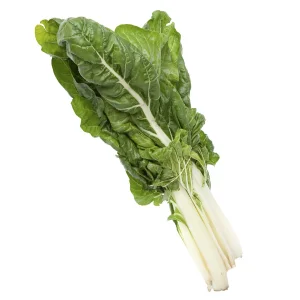
Nice Chard Tourte (Savoury)(France)
Difficulty : 2
The Nice chard tourte is an emblematic speciality of the Nice region in Provence. It comes in a savoury or sweet version and testifies to the deep roots of chard in French Mediterranean cuisine over centuries.
- Olive oil pastry
- 250g flour
- 100ml olive oil
- 100ml warm water
- 1 pinch of salt
- Filling
- 1 kg chard (stalks and leaves)
- 1 onion (150g)
- 2 garlic cloves
- 100g round-grain rice
- 50g grated parmesan
- 50g pine nuts
- 2 eggs
- olive oil
- salt
- pepper
- nutmeg
1. Pastry: Mix flour, salt, olive oil and warm water. Form a ball, refrigerate 30 min.
2. Chard: Separate stalks and leaves. Blanch the stalks 5 min, the leaves 2 min. Drain, squeeze to remove water. Chop finely.
3. Filling: Fry the chopped onion and garlic in olive oil. Add the chopped chard, cook 5 min. Cook the rice in salted boiling water 10 min, drain. Mix chard, rice, parmesan, pine nuts, eggs, salt, pepper, nutmeg.
4. Assembly: Roll out the pastry into 2 discs. Line a tin with one disc. Fill. Cover with the second disc, seal the edges. Egg wash.
5. Baking: Preheated oven at 180°C for 40-45 min, until golden.
Serve warm or cold, cut into slices.
TCM actions : Chard of neutral to cool nature, sweet flavour. Tonifies Qi and Blood, moistens the intestines, clarifies Heat. Beneficial for the Spleen and Liver.
Nutritional benefits : Rich in fibre, vitamins K, A, C. Rice provides complex carbohydrates, parmesan calcium and protein. A balanced and energising dish.
Catalan-style Chard(Spain)
Difficulty : 1
This Catalan recipe illustrates the Moorish influence on Spanish cuisine, combining dried fruit (pine nuts, sultanas) and stir-fried green vegetables, a combination typical of the Iberian Mediterranean.
- 800g chard (stalks and leaves)
- 4 garlic cloves
- 50g pine nuts
- 50g sultanas
- olive oil
- red wine vinegar
- salt
- pepper
1. Chard: Blanch stalks (5 min) and leaves (2 min) separately. Drain, squeeze, chop coarsely.
2. Stir-fry: Brown the sliced garlic in olive oil. Add the pine nuts, lightly brown them. Add the sultanas, then the chard. Fry 5-7 min.
3. Seasoning: Deglaze with a drizzle of red wine vinegar (1-2 tablespoons). Salt, pepper.
Serve hot as a side dish.
TCM actions : Chard clarifies Heat. Garlic warms and disperses Cold. Pine nuts and sultanas nourish Yin and Blood. A balanced dish, promoting the circulation of Qi.
Nutritional benefits : Fibre, antioxidants. Pine nuts and sultanas provide healthy fats, carbohydrates and minerals.
Chard Gratin with Goat's Cheese(France (Loire Valley))
Difficulty : 1
Chard gratin with goat's cheese is part of the French tradition of vegetable gratins, particularly widespread in the Loire Valley, a region renowned for its goats and garden vegetables.
- 1 kg chard
- 200g fresh goat's cheese
- 100ml single cream
- 2 eggs
- 50g breadcrumbs
- nutmeg
- salt
- pepper
- olive oil
1. Chard: Blanch stalks (5 min) and leaves (2 min). Drain, squeeze, chop coarsely. Fry 5 min in olive oil with a little garlic if desired.
2. Mixture: In a bowl, mix the goat's cheese, cream, eggs, nutmeg, salt and pepper.
3. Assembly: Arrange the chard in a gratin dish. Pour the goat's cheese mixture over. Sprinkle with breadcrumbs.
4. Baking: Preheated oven at 190°C for 25-30 min, until the gratin is golden and bubbling.
Serve hot straight from the dish.
TCM actions : Chard clarifies Heat. Goat's cheese nourishes Yin. A harmonising dish, good for digestion.
Nutritional benefits : Rich in calcium (goat's cheese), protein, fibre. A complete vegetarian dish.
Chard with Lentils (Loubia)(Morocco/Maghreb)
Difficulty : 1
Loubia is a traditional dish from North Africa and the Middle East, usually prepared with white beans. This variant with lentils and chard reflects the Maghreb art of combining vegetables and legumes in spiced stews.
- 500g chard
- 200g green lentils
- 1 onion
- 2 garlic cloves
- 1 tin of chopped tomatoes (400g)
- 1 teaspoon cumin
- 1/2 teaspoon paprika
- 1/4 teaspoon turmeric
- fresh coriander
- olive oil
- salt
- pepper
- water or vegetable stock
1. Lentils: Rinse the lentils.
2. Chard: Separate stalks and leaves. Chop coarsely.
3. Stewing: In a casserole, fry the chopped onion and garlic in olive oil. Add the spices, fry 1 min. Add the chopped tomatoes, lentils, chard stalks, cover with water or stock (about 750ml). Bring to the boil, reduce the heat and simmer 20 min.
4. End of cooking: Add the chard leaves. Continue cooking 10-15 min, until the lentils are tender and the chard cooked. Adjust seasoning.
5. Finishing: Serve sprinkled with chopped fresh coriander.
Serve hot as a single dish with bread.
TCM actions : Lentils tonify the Spleen and Stomach. Chard clarifies Heat. Cumin warms and regulates Qi. A nourishing, harmonising and detoxifying dish.
Nutritional benefits : Excellent source of plant protein, fibre, iron. A vegetarian dish, rich in antioxidants.
Greek-style Chard (Spanakopita without pastry)(Greece)
Difficulty : 1
Spanakopita is a traditional Greek pie with spinach and feta, wrapped in filo pastry sheets. This crustless version retains its spirit whilst simplifying the preparation.
- 1 kg chard (leaves only, or leaves and young stalks chopped)
- 250g fresh spinach
- 250g crumbled feta
- 2 eggs
- 1 onion
- 2 garlic cloves
- fresh dill
- fresh mint
- olive oil
- salt
- pepper
1. Vegetables: Blanch the chard leaves and spinach 1-2 min. Drain, squeeze very firmly to remove water. Chop coarsely.
2. Stir-fry: Fry the chopped onion and garlic in olive oil. Add the chopped chard and spinach. Fry 5 min to evaporate remaining moisture. Let cool slightly.
3. Mixture: In a bowl, mix the vegetables with the feta, beaten eggs, chopped dill and mint. Salt (careful, feta is salty) and pepper.
4. Assembly: Pour the mixture into an oiled gratin dish.
5. Baking: Preheated oven at 180°C for 30-35 min, until the top is golden and the mixture set.
Serve hot or warm, cut into squares.
TCM actions : Chard and spinach clarify Heat and nourish Yin. Feta nourishes Yin and Blood. Dill and mint disperse Wind and regulate Qi. A refreshing and nourishing dish.
Nutritional benefits : Rich in calcium, protein, vitamins K, A, C. Low in carbohydrates.
Chard with Lemon and Pine Nuts(Italy (Sicily))
Difficulty : 1
This Sicilian recipe illustrates the love of southern Italy for simple and bright pairings: green vegetables, garlic, pine nuts and citrus. Sicily, a Mediterranean crossroads, naturally incorporates lemon into its daily cuisine.
- 800g chard (leaves and stalks)
- 3 garlic cloves
- 50g pine nuts
- juice and zest of 1 lemon
- extra virgin olive oil
- salt
- red chilli flakes (optional)
1. Chard: Blanch stalks (5 min) and leaves (2 min). Drain, squeeze, chop coarsely.
2. Stir-fry: Brown the sliced garlic and pine nuts in olive oil. Add the chard. Fry 5-7 min.
3. Finishing: Add the lemon juice and zest. Salt, pepper, add chilli if desired.
Serve hot as a side dish with fish or white meat.
TCM actions : Chard clarifies Heat. Lemon cools and aids digestion. Pine nuts nourish Yin. A light, refreshing dish, promoting digestion.
Nutritional benefits : Vitamin C (lemon), fibre, healthy fats (pine nuts, olive oil), antioxidants.
Stir-fried Chard with Sesame and Soy Sauce (Chard Ohitashi)(Japan)
Difficulty : 1
Ohitashi is a classic Japanese technique consisting of blanching green vegetables and then seasoning them with a soy sauce and dashi-based sauce. This chard version illustrates the adaptation of this technique to a Mediterranean vegetable.
- 500g chard (leaves and young stalks)
- 2 tablespoons soy sauce
- 1 tablespoon mirin (or sweet sake)
- 1 teaspoon sugar
- 1 tablespoon toasted sesame seeds
1. Chard: Blanch the chard (stalks 3 min, leaves 1 min). Drain, plunge into iced water, squeeze very firmly to remove water. Cut into 3-4 cm sections.
2. Seasoning: In a bowl, mix the soy sauce, mirin and sugar.
3. Mixture: Add the cut chard to the sauce. Mix well.
4. Finishing: Sprinkle with toasted sesame seeds.
Serve cold or at room temperature as a side dish.
TCM actions : Chard clarifies Heat. Soy sauce and sesame nourish Yin and Blood. A refreshing, nourishing, harmonising dish.
Nutritional benefits : Fibre, vitamins, minerals. Low in calories. Sesame provides healthy fats and calcium.
Chard Coconut Curry(India)
Difficulty : 1
Coconut milk curry is a pillar of southern Indian cuisine, where green vegetables are simmered in a creamy and spicy sauce. This chard version shows the versatility of this vegetable in tropical cuisines.
- 700g chard (leaves and stalks)
- 1 onion
- 2 garlic cloves
- 1 piece of ginger (2 cm)
- 1 tin of coconut milk (400ml)
- 1 tablespoon red curry paste (or spices: cumin, coriander, turmeric)
- vegetable oil
- salt
- fresh coriander
1. Chard: Separate stalks and leaves. Chop coarsely.
2. Curry base: Fry the chopped onion in oil. Add the grated garlic and ginger, then the curry paste (or spices). Fry 1 min.
3. Stewing: Add the chard stalks and coconut milk. Bring to the boil, reduce the heat and simmer 10 min.
4. End of cooking: Add the chard leaves. Continue cooking 5-7 min, until the chard is tender. Salt.
5. Finishing: Serve sprinkled with chopped fresh coriander.
Serve hot with basmati rice or naan.
TCM actions : Chard clarifies Heat. Coconut milk nourishes Yin. Spices warm and regulate Qi. A balanced, nourishing, harmonising dish.
Nutritional benefits : Fibre, vitamins, minerals. Coconut milk provides healthy fats. A vegetarian dish, rich in flavours.
Soparnik (Croatian Chard and Garlic Pie)(Croatia)
Difficulty : 2
Soparnik is a traditional pie from the Dalmatia region of Croatia, where chard is nicknamed "queen of the Dalmatian garden". This rustic dish, made of a thin pastry filled with chard and garlic, then baked and brushed with olive oil and garlic, is inscribed in Croatian culinary heritage. It testifies to the deep roots of chard in Slavic Mediterranean cuisine.
- Pastry
- 300g flour
- 150ml warm water
- 3 tablespoons olive oil
- 1 pinch of salt
- Filling
- 700g chard (leaves and young stalks)
- 3 garlic cloves
- olive oil
- salt
- pepper
1. Pastry: Mix flour, salt, oil and water. Knead until obtaining a supple dough. Rest 30 min.
2. Filling: Blanch the chard 2 min, drain, squeeze, chop finely. Mix with the chopped garlic, salt, pepper and a drizzle of olive oil.
3. Assembly: Divide the pastry into 2 balls. Roll out very thinly. Arrange the filling on one disc, cover with the second disc, seal the edges.
4. Baking: Preheated oven at 220°C for 20-25 min, until golden.
5. Finishing: Brush with garlic olive oil during baking and when out of the oven.
Cut into diamonds, serve warm or cold, brushed with garlic olive oil.
TCM actions : Chard clarifies Heat. Garlic warms and disperses Cold. Olive oil nourishes Yin. A balanced Mediterranean dish, digestible.
Nutritional benefits : Fibre, vitamins K, A, C. A light vegetarian dish, rich in antioxidants and sulphur compounds from garlic.
Chard Stuffed with Ricotta and Herbs (Ravioli or Cannelloni)(Italy)
Difficulty : 2
Cannelloni and ravioli stuffed with green vegetables and ricotta are classics of northern Italian cuisine, particularly in Emilia-Romagna. Chard often replaces spinach there for a more earthy flavour.
- Filling
- 500g chard (leaves and young stalks)
- 250g ricotta
- 50g grated parmesan
- 1 egg
- fresh parsley
- fresh basil
- nutmeg
- salt
- pepper
- For the cannelloni
- 12-15 pre-cooked lasagne sheets
- Sauce
- Homemade or shop-bought tomato sauce
1. Chard: Blanch the chard (stalks 3 min, leaves 1 min). Drain, squeeze very firmly to remove water. Chop finely.
2. Filling: In a bowl, mix the chopped chard with the ricotta, parmesan, egg, chopped parsley and basil. Season with nutmeg, salt and pepper.
3. Cannelloni: Spread a layer of filling on each lasagne sheet. Roll to form the cannelloni.
4. Assembly: Coat the bottom of a gratin dish with tomato sauce. Arrange the cannelloni. Cover with tomato sauce and a little parmesan.
5. Baking: Preheated oven at 190°C for 25-30 min, until the dish is bubbling and lightly golden.
Serve hot.
TCM actions : Chard clarifies Heat. Ricotta nourishes Yin. Herbs regulate Qi. A nourishing, harmonising dish.
Nutritional benefits : Rich in protein (ricotta, egg), calcium, fibre, vitamins. A comforting vegetarian dish.
Braised Chard with Tamarind and Peanuts(Thailand)
Difficulty : 2
Thai cuisine excels in the balance of the five flavours (sour, sweet, salty, bitter, spicy). This braised chard with tamarind recipe perfectly illustrates this philosophy, combining the acidity of tamarind with the sweetness of palm sugar.
- 700g chard (leaves and stalks)
- 1 onion
- 2 garlic cloves
- 1 piece of ginger (2 cm)
- 2 tablespoons tamarind paste
- 1 tablespoon fish sauce (or soy sauce for vegetarians)
- 1 teaspoon palm sugar (or brown sugar)
- 50g crushed roasted peanuts
- vegetable oil
- salt
- fresh coriander
1. Chard: Separate stalks and leaves. Chop coarsely.
2. Base: Fry the chopped onion, grated garlic and ginger in oil.
3. Sauce: Add the tamarind paste, fish sauce, palm sugar and 100ml water. Bring to the boil and let thicken slightly.
4. Stewing: Add the chard stalks. Simmer 10 min.
5. End of cooking: Add the chard leaves. Continue cooking 5-7 min, until the chard is tender and the sauce thickened. Salt.
6. Finishing: Serve sprinkled with crushed peanuts and fresh coriander.
Serve hot with rice.
TCM actions : Chard clarifies Heat. Tamarind cools and aids digestion. Peanuts nourish Yin. A balanced dish, with the five flavours (sour, sweet, salty, bitter, spicy).
Nutritional benefits : Fibre, vitamins, minerals. Peanuts provide protein and healthy fats.
Confit Chard Stalks, Brown Butter and Crisp Sage(France)
Difficulty : 3
This recipe is inspired by haute French cuisine, where brown butter and sage are classics of starred gastronomy. The technique of confiting at low temperature reveals the finesse of chard stalks, whilst brown butter brings an aromatic depth characteristic of Burgundian and Provençal cuisine.
- 500g chard stalks
- 80g butter
- 4 fresh sage leaves
- thyme
- bay leaf
- fleur de sel
- pepper mill
1. Blanch the stalks 8 min in salted boiling water, immediate shocking in iced water. Drain, dry thoroughly.
2. Confit the stalks in clarified butter at 65°C for 30 min with thyme and bay leaf.
3. Prepare the brown butter: melt the butter over low heat until hazelnut brown, add the crisp sage.
4. Plate the confit stalks, drizzle with brown butter, sprinkle with crisp sage and fleur de sel.
Plate the confit stalks elegantly, drizzle with hot brown butter, decorate with crisp sage leaves.
TCM actions : Chard clarifies Heat. Brown butter warms and nourishes Yin. Sage regulates Qi and disperses Cold. An elegant, harmonising dish.
Nutritional benefits : Rich in vitamins K and A. Butter provides vitamin A and short-chain fatty acids. A nutritious gastronomic dish.
Chard with Chickpeas and Tomatoes(Middle East)
Difficulty : 1
The combination of green vegetables, chickpeas and tomatoes stewed with spices is a pillar of Middle Eastern cuisine, from Lebanon to Turkey. This recipe reflects the art of pairing legumes and vegetables in a nourishing single dish.
- 700g chard (leaves and stalks)
- 1 tin of chickpeas (400g)
- 1 tin of chopped tomatoes (400g)
- 1 onion
- 3 garlic cloves
- 1 teaspoon cumin
- 1/2 teaspoon smoked paprika
- olive oil
- salt
- pepper
- fresh parsley
1. Chard: Separate stalks and leaves. Chop coarsely.
2. Base: Fry the chopped onion and garlic in olive oil. Add the cumin and paprika, fry 1 min.
3. Stewing: Add the chopped tomatoes, drained and rinsed chickpeas, and chard stalks. Cover and simmer 15 min.
4. End of cooking: Add the chard leaves. Continue cooking 5-7 min, until the chard is tender and the sauce thickened. Salt, pepper.
5. Finishing: Serve sprinkled with chopped fresh parsley.
Serve hot with pita bread or rice.
TCM actions : Chard clarifies Heat. Chickpeas tonify the Spleen and Stomach. Cumin warms and regulates Qi. A nourishing, harmonising and detoxifying dish.
Nutritional benefits : Excellent source of plant protein, fibre, iron. A vegetarian dish, rich in antioxidants.
Coloured Chard Caviar by Reverse Spherification(Spain/Molecular fusion)
Difficulty : 3
Reverse spherification is a technique popularised by molecular gastronomy in Spain, notably by chef Ferran Adrià at elBulli. This recipe applies this technique to coloured chard, creating beads of purée that burst in the mouth, releasing the flavours and antioxidant betalain pigments.
- 200g red chard (cooked stalks blended into purée)
- 2g calcium lactate
- 2g sodium alginate
- 500ml water
- salt
- olive oil
- chopped chard leaves for plating
1. Cook and blend the red chard into a smooth purée, season with salt.
2. Dissolve the calcium lactate in the purée.
3. Prepare a sodium alginate bath in water.
4. Drop purée droplets into the bath using a pipette. Let gel 1 min.
5. Rinse the beads gently in clear water.
6. Plate on a bed of chopped chard leaves with a drizzle of olive oil.
Plate the caviar beads on a bed of green leaves, drizzle of olive oil, serve immediately.
TCM actions : Chard clarifies Heat and eliminates toxins. Modern spherification preserving antioxidant betalains. A creative, refreshing dish.
Nutritional benefits : Preserved antioxidant betalains. Surprising texture. A light and visually spectacular dish.
Raw Chard and Citrus Salad(Australia/New Zealand)
Difficulty : 1
This fusion salad reflects the influence of modern Australian and New Zealand cuisine, which favours fresh, raw and colourful ingredients, combining young chard shoots and juicy citrus for a vital and detoxifying dish.
- Salad
- 300g young chard shoots (tender leaves, without hard stalks)
- 1 orange
- 1 grapefruit
- 50g crumbled feta (optional)
- 30g toasted pine nuts
- Dressing
- 3 tablespoons olive oil
- 1 tablespoon lemon juice
- 1 teaspoon honey
- salt
- pepper
1. Chard: Wash and gently dry the young chard shoots. Coarsely chop if large.
2. Citrus: Peel the orange and grapefruit live. Cut into segments.
3. Dressing: In a small bowl, whisk the olive oil, lemon juice, honey, salt and pepper.
4. Assembly: In a large bowl, mix the chard, citrus segments, feta (if used) and pine nuts.
5. Seasoning: Pour the dressing just before serving.
Serve immediately to enjoy the freshness.
TCM actions : Chard clarifies Heat. Citrus cools and aids digestion. Pine nuts nourish Yin. A refreshing, light, energising dish.
Nutritional benefits : Vitamin C (citrus), fibre, antioxidants. Low in calories. A detoxifying dish full of vitality.