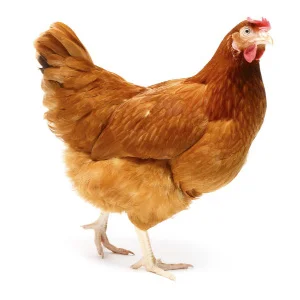
Roast Chicken with Herbes de Provence(France)
Difficulty : 2
The Sunday roast chicken is a ritual of French family cooking, popularised since the Middle Ages. Herbes de Provence (thyme, rosemary, savory) reflect the cuisine of south-eastern France.
- 1 whole free-range chicken (approximately 1.5 kg)
- 2 tbsp herbes de Provence
- 4 garlic cloves, crushed
- 1 lemon, cut into quarters
- 50 g softened butter
- Salt, freshly ground black pepper
- 2 onions, cut into quarters
- 500 g new potatoes
1. Preheat the oven to 200°C. 2. Mix the softened butter with the herbes de Provence, crushed garlic, salt and pepper. 3. Pat the chicken dry with kitchen paper. Slip part of the flavoured butter under the skin of the breasts. Rub the rest of the butter over the entire surface of the chicken. 4. Insert the lemon quarters and a few sprigs of fresh thyme (if desired) into the cavity of the chicken. Truss the chicken. 5. Arrange the onions and potatoes around the chicken in a large roasting tin. Season the vegetables. 6. Bake for 1h15 to 1h30, basting every 20-30 minutes with the cooking juices. The internal temperature must reach 74°C. 7. Let the chicken rest for 10 minutes under a sheet of aluminium foil before carving.
Serve the carved chicken with the roasted potatoes and confit onions, basted with the cooking juices.
TCM actions : Chicken is warm in nature, tonifies Qi and Blood, strengthens the Spleen and Stomach. Herbes de Provence (thyme, rosemary) are warming and disperse Cold. Garlic is warming, disperses Cold and eliminates toxins. This dish is nourishing and warming, ideal for tonifying energy.
Nutritional benefits : Excellent source of complete proteins. Potatoes provide complex carbohydrates and potassium. Lemon provides vitamin C. Butter, if used in moderation, provides fat-soluble vitamins.
Chicken Tikka Masala(United Kingdom/India)
Difficulty : 1
Chicken tikka masala is said to have been created in Glasgow in the 1960s by Ali Ahmed Aslam, a Pakistani-British chef, adapting Indian tikka to British taste with a tomato-cream sauce. It is now considered a British national dish.
- For the marinade
- 500 g chicken breasts, cut into dice, 200 g plain yoghurt, 2 tbsp ginger-garlic paste, 1 tbsp lemon juice, 1 tsp ground cumin, 1 tsp ground coriander, 1/2 tsp turmeric, 1/2 tsp paprika, 1/4 tsp Cayenne pepper (optional), salt.
- For the sauce
- 1 tbsp vegetable oil, 1 onion finely chopped, 2 garlic cloves chopped, 1 tsp grated ginger, 1 tsp garam masala, 1 tin (400g) crushed tomatoes, 100 ml single cream, 1 tbsp tomato purée, 1 tsp sugar, fresh coriander leaves for garnish.
1. Mix all the marinade ingredients with the chicken. Leave to marinate in the refrigerator for at least 2 hours, ideally overnight. 2. Preheat the oven to 200°C (or grill the chicken pieces on a hot pan). Thread the chicken onto skewers and bake or grill until slightly charred and cooked (about 15-20 min). Set aside. 3. In a large pan or casserole, heat the oil. Fry the onion until translucent (5-7 min). 4. Add the garlic, ginger and garam masala. Fry for 1 minute until the spices are fragrant. 5. Stir in the crushed tomatoes, tomato purée, sugar and salt. Simmer for 10-15 minutes, until the sauce thickens. 6. Add the single cream and the cooked chicken. Let it simmer for a few minutes so the chicken absorbs the flavours.
Serve hot with basmati rice and naan bread, garnished with fresh coriander.
TCM actions : Chicken is warm. Ginger and garlic are warming, disperse Cold and stimulate digestion. Turmeric is warm, tonifies Qi and Blood. Yoghurt is cooling. This dish is overall warming and stimulating for digestion.
Nutritional benefits : Rich in protein. Yoghurt provides probiotics. Spices are rich in antioxidants and have anti-inflammatory properties. Tomatoes provide lycopene.
Chicken Yassa(Senegal)
Difficulty : 1
Chicken yassa is an iconic dish of Senegal and Casamance, West Africa. The lemon, onion and mustard marinade reflects French and Portuguese influence on Senegalese cuisine.
- 1 whole chicken (approximately 1.5 kg), cut into pieces
- 4 large onions, sliced
- 4 garlic cloves, chopped
- 2 fresh chillies (optional), whole
- 100 ml fresh lime juice
- 50 ml Dijon mustard
- 100 ml vegetable oil
- 2 bay leaves
- Salt, pepper
- Purple olives (optional, for garnish)
1. In a large bowl, mix the chicken pieces with half the sliced onions, garlic, lemon juice, mustard, salt and pepper. Leave to marinate in the refrigerator for at least 2 hours, ideally overnight. 2. In a casserole or large pot, heat the oil. Brown the marinated chicken pieces on all sides. Remove the chicken and set aside. 3. In the same casserole, fry the remaining sliced onions until well browned and melting (about 15-20 min). 4. Return the chicken to the casserole with the onions. Add the remaining marinade, bay leaves and whole chillies (if used). 5. Add a little water if necessary to cover the chicken. Bring to the boil, then reduce the heat and simmer covered for 45 minutes to 1 hour, until the chicken is tender and cooked through.
Serve hot with white rice, garnished with purple olives.
TCM actions : Chicken is warm. Onions and garlic are warming, aid digestion and disperse Cold. Lemon is cooling and helps digest fats. Mustard is pungent and warming. This dish is balanced, stimulating for digestion.
Nutritional benefits : Rich in protein. Onions and garlic are rich in antioxidants and beneficial sulphur compounds. Lemon provides vitamin C.
Chicken Tagine with Preserved Lemons and Olives(Morocco)
Difficulty : 2
Chicken tagine with preserved lemons and olives is a classic of Moroccan Maghreb cuisine. The tagine (earthenware dish) is a traditional Berber slow-cooking method. Preserved lemons and saffron reflect Arab-Andalusian influence.
- 1 whole chicken (approximately 1.5 kg), cut into 8 pieces
- 2 onions, sliced
- 3 garlic cloves, chopped
- 1 tbsp freshly grated ginger
- 1 tsp ground turmeric
- 1 tsp ground cumin
- 1/2 tsp ground saffron (or a few threads infused in hot water)
- 1/2 bunch fresh coriander, chopped
- 1/2 bunch fresh parsley, chopped
- 2 preserved lemons, cut into quarters (pulp removed if too salty)
- 150 g pitted green olives
- 100 ml olive oil
- 200 ml water or chicken stock
- Salt, pepper
1. In a large dish, mix the chicken pieces with the onions, garlic, ginger, turmeric, cumin, saffron, half the coriander and parsley, salt and pepper. Leave to marinate for at least 30 minutes. 2. In a tagine or thick-bottomed casserole, heat the olive oil. Brown the chicken pieces on all sides. Remove the chicken and set aside. 3. In the same casserole, fry the remaining onions from the marinade until translucent. 4. Return the chicken to the tagine. Add the preserved lemons, olives and water/stock. 5. Cover and simmer over low heat for 1h to 1h30, until the chicken is very tender and the sauce has thickened. 6. Stir in the rest of the chopped coriander and parsley just before serving.
Serve directly in the tagine, accompanied by couscous or bread.
TCM actions : Chicken is warm. Ginger and garlic are warming. Turmeric is warm, tonifies Qi and Blood. Preserved lemon is cooling. This dish is balanced, nourishing and aromatic.
Nutritional benefits : Rich in protein. Olive oil provides beneficial monounsaturated fats. Spices are rich in antioxidants. Preserved lemons bring intense flavours.
Chicken Adobo(Philippines)
Difficulty : 1
Chicken adobo is considered the national dish of the Philippines. The word 'adobo' comes from the Spanish 'adobar' (to marinate), but the vinegar preservation technique predated Spanish colonisation. Soy sauce reflects Chinese influence.
- 1 kg chicken pieces (thighs and drumsticks preferably)
- 120 ml cane vinegar (or cider vinegar)
- 120 ml soy sauce
- 6 garlic cloves, crushed
- 1 onion, sliced (optional)
- 1 tsp whole black peppercorns
- 2-3 bay leaves
- 1 tbsp vegetable oil
- Water (if necessary)
1. In a large casserole or pot, heat the oil. Brown the chicken pieces on all sides. 2. Add the crushed garlic, onion (if used), whole black peppercorns and bay leaves. Fry for 1 minute. 3. Pour in the soy sauce and vinegar. Bring to the boil, then reduce the heat, cover and simmer for 30-40 minutes, turning the chicken pieces from time to time. 4. Remove the lid and simmer for another 10-15 minutes, until the sauce thickens and reduces, and the chicken is well coated and tender. Taste and adjust seasoning if necessary (the salt from the soy sauce is generally sufficient).
Serve hot with white rice.
TCM actions : Chicken is warm. Garlic is warming. Vinegar is sour and cooling, aids digestion. This dish is balanced, with a pronounced umami flavour.
Nutritional benefits : Rich in protein. Garlic is rich in antioxidants. Soy sauce provides umami flavours.
Jerk Chicken(Jamaica)
Difficulty : 1
Jerk chicken originates from Jamaica, developed by the Maroons (descendants of escaped African slaves) and the Taínos. The Scotch bonnet pepper and allspice are the signature aromas of this unique culinary tradition.
- Base
- 1.5 kg chicken pieces (thighs, drumsticks, breasts)
- For the jerk marinade
- 1 medium onion, 4 spring onions, 4 garlic cloves, 1-2 Scotch bonnet peppers (careful, very hot! or milder: Habanero), 1 piece fresh ginger (about 5 cm), 2 tbsp chopped fresh thyme, 1 tbsp ground allspice, 1 tsp grated nutmeg, 1 tsp ground cinnamon, 1 tbsp brown sugar, 1 tbsp soy sauce, 1 tbsp cider vinegar, 2 tbsp vegetable oil, salt and black pepper.
1. Prepare the marinade: In a blender, combine all the marinade ingredients until a smooth paste forms. 2. Make light incisions in the chicken pieces so the marinade penetrates well. Rub the chicken generously with the marinade. Leave to marinate in the refrigerator for at least 4 hours, ideally overnight. 3. Preheat the barbecue to medium-high heat. 4. Grill the chicken on the barbecue for 30-40 minutes, turning regularly, until well cooked and slightly charred. The internal temperature must reach 74°C. 5. Alternatively, bake in the oven at 200°C for 30 minutes, then lower to 180°C and cook for another 15-20 minutes, or until fully cooked.
Serve with rice and peas (rice with red beans), grilled vegetables or a fresh salad.
TCM actions : Chicken is warm. The Scotch bonnet pepper is very warming and dispersing. Ginger, garlic, cinnamon, nutmeg and allspice are all warming and stimulating for the circulation of Qi and Blood. This dish is very warming, ideal for dispersing Cold and stimulating digestion.
Nutritional benefits : Rich in protein. Spices are very rich in antioxidants and have anti-inflammatory properties. Chilli contains capsaicin, which can stimulate the metabolism.
Chicken Korma(India)
Difficulty : 1
Korma is an Indo-Mughal dish originating from North India, characterised by a creamy sauce with nuts and yoghurt. Cardamom, cinnamon and cloves reflect the influence of Mughal court cuisine.
- Base
- 500 g chicken breasts, cut into dice
- For the marinade
- 150 g plain yoghurt, 1 tbsp ginger-garlic paste, 1/2 tsp turmeric, salt.
- For the sauce
- 2 tbsp ghee (clarified butter) or vegetable oil, 1 medium onion, finely chopped, 1 tsp green cardamom seeds (crushed), 1 cinnamon stick, 2-3 cloves, 1 tsp ground cumin, 1 tsp ground coriander, 1/2 tsp garam masala, 100 g cashew nuts (soaked in hot water 15 min, then blended into a paste with a little water), 100 ml single cream, 100 ml coconut milk, 1 tbsp sugar, salt.
- Toasted flaked almonds and fresh coriander for garnish.
1. Mix the chicken with the marinade ingredients. Leave to marinate in the refrigerator for at least 30 minutes. 2. In a large casserole or thick-bottomed pan, heat the ghee/oil. Fry the onion until golden (about 8-10 min). 3. Add the cardamom seeds, cinnamon stick and cloves. Fry for 1 minute until fragrant. 4. Add the marinated chicken and brown on all sides. 5. Add the cumin, coriander and garam masala. Fry for 1 minute. 6. Add the cashew nut paste, single cream, coconut milk, sugar and salt. Mix well. 7. Bring to the boil, then reduce the heat, cover and simmer for 20-25 minutes, until the chicken is tender and the sauce has thickened.
Serve hot with basmati rice, garnished with toasted flaked almonds and fresh coriander.
TCM actions : Chicken is warm. Cardamom, cinnamon, cloves, cumin and ginger are warming and aromatic, stimulating the Spleen and Stomach. Yoghurt and coconut milk are cooling. This dish is balanced, nourishing and gentle on digestion.
Nutritional benefits : Rich in protein. Cashew nuts provide healthy fats and minerals. Spices are rich in antioxidants. Coconut milk can be a source of saturated fats, to be consumed in moderation.
General Tso's Chicken(United States)
Difficulty : 1
General Tso's chicken was created in New York in the 1970s by chef Peng Chang-kuei, originally from Hunan. Despite its Chinese roots, this sweet-savoury dish is unknown in China and is a classic of Sino-American cuisine.
- Base
- 500 g chicken breasts, cut into dice
- For the marinade
- 1 egg, 2 tbsp cornstarch, 1 tbsp soy sauce, 1 tsp freshly grated ginger.
- For the sauce
- 60 ml soy sauce, 60 ml rice vinegar, 60 ml chicken stock, 2 tbsp brown sugar, 1 tbsp tomato purée, 1 tbsp cornstarch (diluted in 2 tbsp cold water), 1 garlic clove chopped, 1/2 tsp red chilli flakes (optional).
- Vegetable oil for frying
- Sesame seeds and chopped spring onions for garnish.
1. Mix the chicken with the marinade ingredients. Leave to rest for 15 minutes. 2. In a wok or large pan, heat enough vegetable oil for frying (about 2-3 cm deep) to 170°C. 3. Fry the marinated chicken in small batches until golden and crispy (about 4-5 min). Drain on kitchen paper. 4. In a small saucepan, mix all the sauce ingredients (except the diluted cornstarch). Bring to the boil, then add the diluted cornstarch whisking constantly until the sauce thickens. 5. In the wok (after removing the excess oil), add the fried chicken and the sauce. Toss quickly to coat the chicken.
Serve immediately with white rice, garnished with sesame seeds and spring onions.
TCM actions : Chicken is warm. Ginger and garlic are warming. Rice vinegar is cooling. Frying adds Heat. This dish is overall warming and stimulating.
Nutritional benefits : Rich in protein. Frying adds fats, to be consumed in moderation. Ginger and garlic are rich in antioxidants.
Thai Green Curry Chicken(Thailand)
Difficulty : 2
Thai green curry (kaeng khiao wan) is a classic of Thai cuisine. The green curry paste, made from green chilli, galangal, lemongrass and Thai basil, is one of the three Thai curry colours (green, red, yellow).
- 500 g chicken breasts, cut into dice
- 1 tbsp vegetable oil
- 2-3 tbsp green curry paste (adjust to taste)
- 400 ml coconut milk
- 100 ml chicken stock
- 1 Thai aubergine or 1/2 regular aubergine, cut into dice
- 1 red pepper, cut into strips
- A few kaffir lime leaves
- 1 tbsp fish sauce (nuoc mâm)
- 1 tsp palm sugar (or brown sugar)
- A few fresh Thai basil leaves
- Fresh chopped chilli (optional, for garnish)
1. In a large casserole or wok, heat the oil. Add the green curry paste and fry for 1 minute until fragrant. 2. Add the chicken and brown on all sides. 3. Pour in the coconut milk and chicken stock. Add the kaffir lime leaves. Bring to the boil, then reduce the heat and simmer for 10 minutes. 4. Add the aubergine and pepper. Simmer for another 10-15 minutes, until the vegetables are tender and the chicken is cooked. 5. Stir in the fish sauce and palm sugar. Taste and adjust seasoning. 6. Just before serving, add the Thai basil leaves.
Serve hot with jasmine rice.
TCM actions : Chicken is warm. The green curry paste (often based on chilli, galangal, lemongrass) is warming and dispersing. Coconut milk is cooling. This dish is overall warming, stimulating and balanced.
Nutritional benefits : Rich in protein. Vegetables provide fibre and vitamins. Coconut milk provides fats, to be consumed in moderation. Spices are rich in antioxidants.
Chicken Moambe(Congo)
Difficulty : 1
Chicken moambe (or poulet à la moambe) is the national dish of Congo. The moambe sauce is made from palm nuts, a central ingredient in Central African cuisine (Congo, Angola, Gabon).
- 1 kg chicken pieces (thighs, drumsticks)
- 2 onions, chopped
- 3 garlic cloves, chopped
- 1 piece fresh ginger (about 3 cm), grated
- 1 tin (800g) palm nut paste (red palm oil)
- 400 ml water or chicken stock
- 1 tin (400g) crushed tomatoes
- 1 fresh chilli (optional), whole or chopped
- Salt, pepper
- White rice, cassava leaves (pondu), fried plantains to accompany.
1. In a large casserole, brown the chicken pieces in a little vegetable oil. Remove the chicken and set aside. 2. In the same casserole, fry the onions, garlic and ginger until translucent. 3. Add the palm nut paste, water/stock, crushed tomatoes, chilli (if used), salt and pepper. Mix well. 4. Return the chicken to the casserole. Bring to the boil, then reduce the heat, cover and simmer for 1h to 1h30, until the chicken is very tender and the sauce has thickened.
Serve hot with white rice, cassava leaves (pondu) and fried plantains.
TCM actions : Chicken is warm. Ginger and garlic are warming. Palm oil is nourishing and warming. This dish is very nourishing and warming, ideal for tonifying energy.
Nutritional benefits : Rich in protein and energy. Red palm oil is rich in beta-carotene (precursor of vitamin A) and vitamin E, but also in saturated fats, to be consumed in moderation.
Tandoori Chicken(India)
Difficulty : 1
Tandoori chicken originates from Punjab, North India. It is cooked in a tandoor, a traditional clay oven used in Central Asia and North India for millennia. The red colouring comes from Cayenne pepper and sometimes food colouring.
- Base
- 1 kg chicken pieces (thighs, drumsticks, breasts), incised
- For the marinade
- 250 g plain Greek yoghurt, 2 tbsp ginger-garlic paste, 1 tbsp lemon juice, 1 tbsp tandoori masala powder, 1 tsp ground cumin, 1 tsp ground coriander, 1/2 tsp turmeric, 1/2 tsp Cayenne pepper (optional), a pinch of red food colouring (optional, for colour), salt.
1. Mix all the marinade ingredients with the incised chicken. Ensure the chicken is well coated. Leave to marinate in the refrigerator for at least 4 hours, ideally overnight. 2. Preheat the oven to 220°C (or use a barbecue). 3. Arrange the chicken on a rack placed over a baking tray (to catch the juices). 4. Bake for 25-35 minutes, turning once, until the chicken is well cooked, slightly charred on the edges and the internal temperature reaches 74°C. 5. If desired, baste with melted butter during the last few minutes of cooking for more flavour and shine.
Serve hot with basmati rice, naan bread, a cucumber and yoghurt salad (raita) and lemon quarters.
TCM actions : Chicken is warm. Ginger, garlic and the tandoori masala spices are warming and stimulating for digestion. Yoghurt is cooling. This dish is overall warming and aromatic.
Nutritional benefits : Rich in protein. Yoghurt provides probiotics. Spices are rich in antioxidants.
Chicken with Coconut Milk and Ginger(French Polynesia)
Difficulty : 2
Chicken with coconut milk and ginger reflects the cuisine of French Polynesia, where coconut milk and ginger are staple ingredients. Taro and rice traditionally accompany this type of dish in the South Pacific.
- 500 g chicken breasts, cut into dice
- 1 tbsp coconut oil (or vegetable oil)
- 1 onion, sliced
- 2 garlic cloves, chopped
- 1 piece fresh ginger (about 4 cm), grated
- 400 ml coconut milk
- 100 ml chicken stock
- 1 red pepper, cut into strips
- 1 carrot, cut into julienne
- Juice of one lime
- A few sprigs of fresh coriander, chopped
- Salt, pepper
1. In a casserole or wok, heat the coconut oil. Brown the chicken dice. Remove and set aside. 2. In the same casserole, fry the onion, garlic and ginger until fragrant. 3. Add the pepper and carrot. Fry for 5 minutes. 4. Return the chicken to the casserole. Pour in the coconut milk and chicken stock. Season with salt and pepper. 5. Bring to the boil, then reduce the heat, cover and simmer for 15-20 minutes, until the chicken is cooked and the vegetables are tender. 6. Stir in the lime juice and fresh coriander just before serving.
Serve hot with white rice or taro.
TCM actions : Chicken is warm. Ginger and garlic are warming. Coconut milk is cooling. Lime is cooling and aids digestion. This dish is balanced, nourishing and gentle.
Nutritional benefits : Rich in protein. Coconut milk provides healthy fats (medium-chain triglycerides). Vegetables provide fibre and vitamins. Ginger and garlic are rich in antioxidants.
Pollo a la Brasa(Peru)
Difficulty : 1
Pollo a la brasa was invented in Lima, Peru, in the 1950s by Roger Schuler, a Swiss immigrant. The marinade with cumin, smoked paprika and soy sauce reflects Peruvian culinary mestizaje (Spanish, Asian, indigenous).
- Base
- 1 whole chicken (approximately 1.5 kg), spatchcocked (or cut into 4)
- For the marinade
- 4 garlic cloves, chopped, 1 piece fresh ginger (3 cm), grated, 2 tbsp ground cumin, 1 tbsp smoked paprika, 1 tbsp dried oregano, 1 tbsp soy sauce, 1 tbsp red wine vinegar, 2 tbsp vegetable oil, salt, pepper.
- For the Aji Verde sauce (optional)
- 1 cup coriander leaves, 1/2 cup parsley leaves, 1 aji amarillo chilli (or jalapeño), 1 garlic clove, 1/4 cup mayonnaise, 1/4 cup Greek yoghurt, juice of one lime, salt.
1. Prepare the marinade: Mix all the marinade ingredients. Rub the chicken generously with the marinade, making sure to penetrate the incisions. Leave to marinate in the refrigerator for at least 4 hours, ideally overnight. 2. Preheat the oven to 200°C (or the barbecue). 3. Place the spatchcocked chicken on a rack (over a baking tray). Bake for 45-60 minutes, or until the skin is golden and crispy and the internal temperature reaches 74°C. If using a barbecue, cook over medium-indirect heat, turning regularly. 4. Meanwhile, prepare the Aji Verde sauce: Blend all the ingredients until smooth.
Serve the carved chicken with chips and the Aji Verde sauce.
TCM actions : Chicken is warm. Ginger and garlic are warming. Cumin and paprika are warming and aromatic. Lime is cooling. This dish is overall warming and stimulating.
Nutritional benefits : Rich in protein. Spices are rich in antioxidants. The Aji Verde sauce brings fresh flavours and vitamins (coriander, parsley).
Chicken Biryani(India)
Difficulty : 2
Biryani is an Indo-Mughal dish originating from North India, made of layered basmati rice with marinated meat and spices. Saffron and ghee reflect the influence of Persian-Mughal court cuisine.
- 500 g boneless chicken thighs, cut into dice
- 250 g basmati rice, rinsed
- 1 onion, sliced
- 2 garlic cloves, chopped
- 1 piece fresh ginger (3 cm), grated
- 1 tin (400g) crushed tomatoes
- 100 g plain yoghurt
- 1 tbsp biryani paste (or a mix of cumin, coriander, garam masala, turmeric, chilli)
- A few saffron threads infused in 50 ml warm milk (optional)
- Fresh mint and fresh coriander, chopped
- 2 tbsp ghee (clarified butter) or vegetable oil
- 400 ml water or chicken stock
- Salt
1. Marinate the chicken with the yoghurt, garlic, ginger and biryani paste for at least 30 minutes. 2. In a large thick-bottomed casserole or Dutch oven, heat the ghee/oil. Fry the onion until golden. 3. Add the marinated chicken and brown on all sides. 4. Stir in the crushed tomatoes, salt and water/stock. Bring to the boil, then reduce the heat and simmer for 15 minutes. 5. Add the rinsed rice over the chicken (without mixing). Gently pour the saffron-infused milk over the rice. 6. Cover tightly and cook over very low heat for 20-25 minutes, until the rice is cooked and all the liquid is absorbed. Do not lift the lid during cooking. 7. Remove from the heat and let rest for 10 minutes covered. 8. Gently fluff the biryani with a fork, incorporating the fresh mint and coriander.
Serve hot, optionally with a raita (yoghurt sauce).
TCM actions : Chicken is warm. Ginger, garlic and spices are warming and stimulating. Yoghurt is cooling. Saffron is sweet and harmonising. This dish is nourishing, balanced and aromatic.
Nutritional benefits : Rich in protein and complex carbohydrates. Spices are rich in antioxidants. Yoghurt provides probiotics.
Chicken Satay(Indonesia/Malaysia)
Difficulty : 1
Satay originates from Indonesia (Java) and is widespread across South-East Asia (Malaysia, Singapore, Thailand). The grilled skewers with peanut sauce reflect Arab influence (kebab) adapted to local ingredients (peanuts, turmeric).
- Base
- 500 g chicken breasts, cut into thin strips
- For the marinade
- 1 tbsp ginger-garlic paste, 1 tbsp soy sauce, 1 tbsp lime juice, 1 tsp ground turmeric, 1 tsp ground cumin, 1 tsp ground coriander, 1 tbsp palm sugar (or brown sugar).
- For the peanut sauce
- 200 g smooth peanut butter, 100 ml coconut milk, 1 tbsp red curry paste (or chopped chilli), 1 tbsp soy sauce, 1 tbsp lime juice, 1 tbsp palm sugar (or brown sugar), water (to adjust consistency).
- Wooden skewers (soaked in water for 30 min)
1. Mix the chicken with all the marinade ingredients. Leave to marinate in the refrigerator for at least 30 minutes. 2. Meanwhile, prepare the peanut sauce: In a small saucepan, mix all the peanut sauce ingredients. Heat over low heat, stirring constantly, until the sauce is smooth and hot. Add a little water if the sauce is too thick. 3. Thread the marinated chicken strips onto the skewers. 4. Preheat the barbecue or a grill pan to medium-high heat. 5. Grill the chicken skewers for 3-4 minutes on each side, until well cooked and slightly charred.
Serve the chicken satay skewers hot with the peanut sauce on the side.
TCM actions : Chicken is warm. Ginger, garlic, turmeric, cumin and coriander are warming and aromatic. Coconut milk and lime are cooling. This dish is balanced and stimulating.
Nutritional benefits : Rich in protein. Peanut butter provides plant proteins, healthy fats and fibre. Spices are rich in antioxidants.