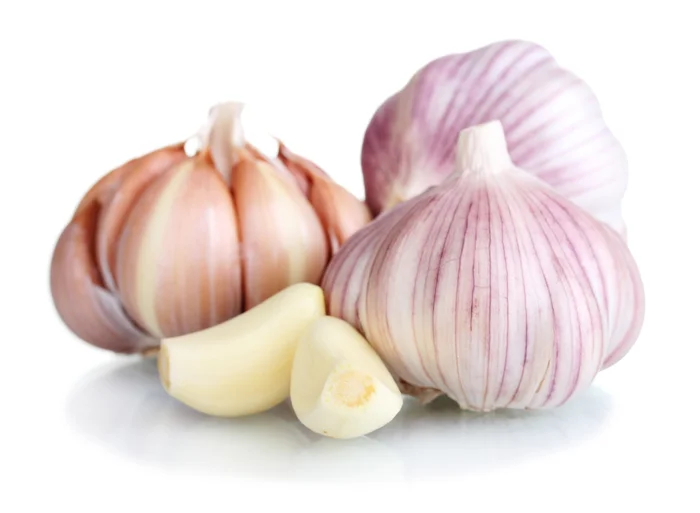
Aïoli(France)
Difficulty : 1
Aïoli is an emulsified sauce emblematic of Provençal cuisine, whose name comes from the Occitan 'alh' (garlic) and 'òli' (oil). Traditionally served at festive meals, it accompanies fish, vegetables and potatoes.
- 2 fresh garlic cloves (approximately 10 g)
- 1 egg yolk (approximately 20 g)
- 200 ml extra virgin olive oil
- 5 ml fresh lemon juice
- a pinch of fine salt
- a pinch of ground white pepper
Peel and remove the germ from the garlic cloves. Crush them finely in a mortar and pestle with the salt until you obtain a smooth paste. Incorporate the egg yolk and lemon juice. Mount the aïoli by pouring the olive oil in a very thin stream, whisking constantly and vigorously in the same direction, until you obtain a firm and glossy emulsion. Season with pepper.
Serve the aïoli in a small ramekin, accompanied by crunchy vegetables (carrots, radishes), steamed potatoes, poached fish or mussels. Garnish with a sprig of fresh parsley.
TCM actions : Thermal nature: Warm to Hot. Flavour: Pungent, slightly sweet. Target organs: Lung, Spleen, Stomach, Large Intestine. Yin/Yang balance: Yang. Effects on Qi: Disperses Cold, promotes Qi circulation, eliminates toxins, stimulates the appetite, warms the centre.
Nutritional benefits : Garlic is rich in organosulphur compounds (allicin), antioxidants, vitamins C and B6, and manganese. It is recognised for its antibacterial, antiviral, antifungal and anti-inflammatory properties. Olive oil provides monounsaturated fatty acids beneficial for cardiovascular health. The egg yolk is a source of protein and fat-soluble vitamins.
Spaghetti Aglio e Olio(Italy)
Difficulty : 1
Originating from the Naples region, Aglio e Olio is one of the simplest and most iconic dishes of Italian cuisine. Born of necessity with basic ingredients, it illustrates the philosophy of Italian cooking: the quality of produce takes precedence over complexity.
- 200 g spaghetti
- 4 fresh garlic cloves (approximately 20 g)
- 60 ml extra virgin olive oil
- 5 g red chilli flakes (optional)
- 15 g chopped fresh parsley
- salt and freshly ground black pepper
Cook the spaghetti in a large quantity of salted water according to the packet instructions, until al dente. Meanwhile, peel and finely slice the garlic. In a large pan, heat the olive oil over medium-low heat. Add the sliced garlic and chilli flakes (if using). Sauté gently for 2-3 minutes, until the garlic is golden and fragrant, without burning it. Drain the spaghetti, reserving 100 ml of cooking water. Add the drained spaghetti to the pan with the garlic and oil. Pour in a little cooking water to create a light sauce. Toss well. Incorporate the chopped parsley. Season with salt and pepper.
Serve immediately in deep plates, garnished with extra fresh parsley.
TCM actions : Thermal nature: Warm (garlic, chilli), neutral (pasta). Flavour: Pungent, sweet. Target organs: Spleen, Stomach, Lung, Large Intestine. Yin/Yang balance: Balanced with a slight Yang tendency. Effects on Qi: Harmonises the Centre, disperses Cold, promotes the circulation of Qi and Blood, stimulates digestion.
Nutritional benefits : Garlic and chilli are rich in antioxidants and anti-inflammatory compounds. Olive oil provides healthy fats. Spaghetti brings complex carbohydrates for energy. Parsley is a good source of vitamins K and C.
Chicken Yassa(Senegal)
Difficulty : 1
Yassa is an emblematic dish of Senegal and the West African sub-region. Originating from the south of the country, it bears witness to the influence of trade exchanges that introduced garlic, vinegar and mustard into African cuisine.
- 4 chicken thighs (approximately 800 g)
- 4 yellow onions (approximately 400 g)
- 50 ml groundnut oil
- 4 fresh garlic cloves (approximately 20 g)
- 50 ml Dijon mustard
- 50 ml cider vinegar
- 100 ml water
- 1 Habanero chilli (optional)
- salt and black pepper
Wash and salt the chicken. In a large bowl, mix the mustard, vinegar, crushed garlic and chopped chilli (if using). Add the finely sliced onions and the chicken. Leave to marinate in the refrigerator for at least 2 hours, ideally overnight. In a casserole, heat the groundnut oil. Brown the drained chicken pieces on all sides. Remove the chicken. Add the marinated onions to the casserole and sauté until translucent and lightly caramelised (approximately 10-15 minutes). Return the chicken to the casserole, add the water. Cover and simmer over low heat for 30-40 minutes, until the chicken is tender.
Serve Chicken Yassa with white rice.
TCM actions : Thermal nature: Warm (chicken, onion, garlic, mustard, chilli). Flavour: Pungent, sour, sweet. Target organs: Spleen, Stomach, Liver, Lung. Yin/Yang balance: Yang. Effects on Qi: Stimulates the circulation of Qi and Blood, warms the Centre, eliminates Dampness, aids digestion.
Nutritional benefits : Chicken is an excellent source of lean protein. Onions and garlic are rich in antioxidants and sulphur compounds. Cider vinegar may aid digestion. Chilli brings capsaicin, known for its anti-inflammatory properties.
Starred Chicken Tagine with Black Garlic and Saffron(Morocco)
Difficulty : 2
This starred reinterpretation of the classic Moroccan tagine substitutes fresh garlic with fermented black garlic, whose umami and balsamic notes enrich the sauce. Saffron threads and careful presentation elevate this rustic dish to gastronomic level, in the spirit of modern Moroccan chefs who reinvent tradition.
- 4 chicken thighs (approximately 800 g)
- 2 onions (approximately 200 g)
- 6 black garlic cloves (approximately 30 g)
- 2 fresh garlic cloves (approximately 10 g)
- 1 preserved lemon (approximately 50 g)
- 100 g pitted green olives
- 15 ml argan oil (or olive oil)
- 5 g grated fresh ginger
- 3 g saffron threads (infused in 50 ml hot water)
- 10 g ras el hanout
- 15 g chopped fresh coriander
- 200 ml chicken stock
- salt and pepper
Crush the black garlic into a paste. Mix the chicken with the black garlic paste, crushed fresh garlic, ginger, ras el hanout, infused saffron and coriander. Season with salt and pepper and leave to marinate for 1 hour. In a tagine or cast-iron casserole, heat the argan oil. Sauté the sliced onions until translucent. Add the marinated chicken and brown on all sides. Add the preserved lemon in quarters and the olives. Pour in the chicken stock. Cover and simmer over low heat for 50-60 minutes, until the chicken is confit and the sauce syrupy. Finish with a drizzle of raw argan oil.
Plate in the tagine, scatter with fresh coriander and a few saffron threads. Accompany with fine couscous semolina and a dash of argan oil.
TCM actions : Thermal nature: Warm (black garlic, garlic, ginger, ras el hanout, chicken). Flavour: Sweet, umami, pungent, sour, salty. Target organs: Spleen, Stomach, Liver, Lung. Yin/Yang balance: Balanced to slightly Yang. Effects on Qi: Tonifies Spleen Qi and Blood, harmonises the Centre, promotes Liver Qi circulation, nourishes Yin, stimulates digestion.
Nutritional benefits : Black garlic is rich in S-allylcysteine, a powerful antioxidant with immunomodulatory properties. Saffron brings crocin and safranal, major antioxidants. Chicken provides lean protein. Olives and argan oil are rich in monounsaturated fatty acids and vitamin E. Ras el hanout combines spices with anti-inflammatory virtues.
Garlic and Honey Chicken(China)
Difficulty : 1
This dish illustrates the characteristic balance of Chinese cuisine between sweet and savoury flavours. The pairing of garlic and honey, quickly cooked in a wok, reflects the Cantonese stir-fry tradition where speed of cooking preserves aromas and nutrients.
- 500 g chicken breast
- 30 ml soy sauce
- 15 ml rice vinegar
- 30 ml honey
- 4 fresh garlic cloves (approximately 20 g)
- 5 g grated fresh ginger
- 15 ml sesame oil
- 15 ml vegetable oil
- 5 g toasted sesame seeds
- 15 g sliced spring onion
Cut the chicken into 2 cm dice. In a bowl, mix the soy sauce, rice vinegar, honey, crushed garlic and grated ginger. Add the chicken and leave to marinate for 15 minutes. In a wok or large pan, heat the vegetable oil over high heat. Brown the marinated chicken (without the sauce) for 5-7 minutes. Add the marinade sauce and sesame oil. Simmer for 2-3 minutes, until the sauce thickens and coats the chicken.
Serve the garlic and honey chicken on a bed of basmati rice, garnished with toasted sesame seeds and sliced spring onion.
TCM actions : Thermal nature: Warm (chicken, garlic, ginger, honey). Flavour: Sweet, pungent, salty. Target organs: Spleen, Stomach, Lung, Liver. Yin/Yang balance: Balanced to slightly Yang. Effects on Qi: Tonifies Spleen and Stomach Qi, warms the Centre, harmonises digestion, nourishes Blood.
Nutritional benefits : Chicken is a source of protein. Garlic and ginger are rich in antioxidants. Honey brings simple carbohydrates and micronutrients. Soy sauce and rice vinegar are low in calories.
Tzatziki(Greece)
Difficulty : 1
Tzatziki is an emblematic sauce of Greek cuisine, inherited from the Ottoman Empire. Its name may come from the Persian 'zhazha' which designates a herb-based preparation. It is traditionally served with mezze, an assortment of small shared starters.
- 1 cucumber (approximately 300 g)
- 250 g whole-milk Greek yogurt
- 2 fresh garlic cloves (approximately 10 g)
- 15 ml extra virgin olive oil
- 5 ml white wine vinegar
- 15 g finely chopped fresh mint
- salt and black pepper
Grate the cucumber and squeeze it firmly to remove excess water. In a bowl, mix the Greek yogurt, crushed garlic, olive oil, white wine vinegar, chopped mint and grated cucumber. Salt and pepper to taste. Leave to rest in the refrigerator for at least 30 minutes for the flavours to develop.
Serve the tzatziki chilled in a bowl, drizzled with a dash of olive oil and garnished with a mint leaf. Accompany with pita bread, raw vegetables or grilled meats.
TCM actions : Thermal nature: Cold (cucumber, yogurt). Flavour: Sweet, sour, pungent (garlic). Target organs: Spleen, Stomach, Liver, Bladder. Yin/Yang balance: Yin. Effects on Qi: Clears Heat, drains Dampness, aids digestion, nourishes Yin.
Nutritional benefits : Greek yogurt is rich in protein and probiotics, beneficial for digestion. Cucumber is hydrating and low in calories. Garlic brings its antioxidants and sulphur compounds. Mint is digestive.
Garlic Prawns(Spain)
Difficulty : 1
Garlic prawns, or 'gambas al ajillo', are a classic of Spanish tapas. Originating from Andalusia, they are traditionally served in small earthenware dishes called 'cazuelas', brought sizzling to the table.
- 400 g raw peeled prawns
- 6 fresh garlic cloves (approximately 30 g)
- 100 ml extra virgin olive oil
- 5 g red chilli flakes (optional)
- 15 ml fresh lemon juice
- 15 g chopped fresh parsley
- salt
Peel and finely slice the garlic. In an earthenware dish or a heavy-bottomed pan, heat the olive oil over medium heat. Add the sliced garlic and chilli flakes. Sauté gently for 2-3 minutes, until the garlic is golden and fragrant, without burning it. Increase the heat to medium-high. Add the prawns and cook for 2-3 minutes on each side, until pink and opaque. Remove from the heat, drizzle with lemon juice and sprinkle with chopped parsley.
Serve immediately in the hot pan, accompanied by crusty bread to mop up the fragrant oil.
TCM actions : Thermal nature: Warm (prawns, garlic, chilli). Flavour: Salty, pungent, sour. Target organs: Kidney, Liver, Lung, Stomach. Yin/Yang balance: Yang. Effects on Qi: Tonifies Kidney Yang, promotes the circulation of Qi and Blood, warms the interior, aids digestion.
Nutritional benefits : Prawns are an excellent source of lean protein, omega-3, selenium and vitamin B12. Garlic and chilli bring antioxidants. Olive oil is rich in monounsaturated fats.
Rocket and Black Garlic Pesto(Italy)
Difficulty : 2
This reinterpretation of the classic Genoese pesto substitutes basil with rocket and fresh garlic with fermented black garlic. Black garlic, obtained by slow fermentation at high temperature, brings unique umami and balsamic notes, prized by starred chefs.
- 100 g fresh rocket
- 4 black garlic cloves (approximately 20 g)
- 50 g toasted pine nuts
- 50 g grated Parmesan
- 100 ml extra virgin olive oil
- 5 ml lemon juice
- salt and black pepper
In a blender, combine the rocket, black garlic, toasted pine nuts, Parmesan, lemon juice, salt and pepper. Blend in pulses, gradually adding the olive oil until you obtain a smooth but slightly grainy texture. Taste and adjust the seasoning.
Serve this pesto on fresh pasta, bruschetta, or as an accompaniment to pan-seared white fish. Garnish with a few rocket leaves and Parmesan shavings.
TCM actions : Thermal nature: Neutral to slightly warm (black garlic, pine nuts). Flavour: Sweet, bitter (rocket), umami (black garlic, Parmesan). Target organs: Liver, Spleen, Stomach. Yin/Yang balance: Balanced. Effects on Qi: Harmonises the Liver, tonifies the Spleen, nourishes Blood, aids digestion.
Nutritional benefits : Black garlic is rich in antioxidants (S-allylcysteine) and has anti-inflammatory and immunomodulatory properties. Rocket is rich in vitamins K, C and antioxidants. Pine nuts bring healthy fats and protein. Parmesan is a source of calcium and protein.
Confit Garlic Purée and Potato Foam(France)
Difficulty : 2
This recipe illustrates the technique of low-temperature garlic confit, popularised by great French chefs. Soya lecithin added at the end of preparation transforms the purée into an airy foam, an accessible molecular gastronomy technique.
- 200 g fresh garlic cloves
- 500 ml extra virgin olive oil
- 500 g Bintje potatoes
- 100 ml whole milk
- 50 g unsalted butter
- salt
- 1 g soya lecithin (for the foam)
Confit garlic: Peel the garlic cloves. Submerge them in the olive oil with a sprig of thyme. Confit at a very low temperature (80°C) for 1h30 to 2h, until the garlic is translucent and very tender. Drain the garlic (reserve the flavoured oil) and crush it into a fine purée. Potato purée: Peel and cut the potatoes into pieces. Cook in salted water until very tender. Drain and pass through a potato ricer or fine sieve. Incorporate the warm milk and butter, mix until you obtain a smooth purée. Season with salt. Foam: Incorporate the confit garlic purée into the potato purée. Add the soya lecithin and blend with a stick blender until you obtain a light and airy foam.
Serve this foam as an accompaniment to roasted meat (lamb, poultry) or fish. Use a piping bag for an elegant presentation.
TCM actions : Thermal nature: Warm (confit garlic, milk, butter), neutral (potato). Flavour: Sweet, pungent (garlic). Target organs: Spleen, Stomach, Lung. Yin/Yang balance: Balanced. Effects on Qi: Tonifies Spleen and Stomach Qi, nourishes Blood, harmonises digestion.
Nutritional benefits : Confit garlic is milder and more digestible, retaining its beneficial compounds. Potatoes are a source of complex carbohydrates, potassium and vitamin C. Milk and butter bring calcium and fat-soluble vitamins. Soya lecithin is a natural emulsifier.
Black Garlic Caviar(Spain)
Difficulty : 3
This recipe uses the reverse spherification technique, popularised by Ferran Adrià at El Bulli. Fermented black garlic is transformed into pearls resembling caviar, offering an explosion of umami flavour in the mouth. A demonstration of the meeting between tradition and culinary innovation.
- 50 g black garlic
- 100 ml water
- 2 g sodium alginate (i.e. 1% of volume)
- 5 g calcium lactate
- 500 ml cold vegetable oil (for the oil bath)
Black garlic preparation: Blend the black garlic with the water until you obtain a very smooth purée. Pass through a fine sieve to remove any residue. Incorporate the calcium lactate and mix well. Leave to rest in the refrigerator for 30 minutes. Alginate bath: In another container, mix the sodium alginate with 200 ml water using a stick blender until fully dissolved. Leave to rest in the refrigerator for 2 hours to eliminate air bubbles. Spherification: Fill a syringe or pipette with the black garlic preparation. Drop droplets into the alginate bath. Leave to gel for 2-3 minutes. Carefully retrieve the pearls with a slotted spoon and rinse thoroughly in clean water to remove excess alginate.
Serve the black garlic caviar on canapés, oysters, raw fish, or as a garnish for savoury dishes for an explosion of umami flavour.
TCM actions : Thermal nature: Neutral to slightly warm. Flavour: Sweet, umami. Target organs: Spleen, Stomach, Kidney. Yin/Yang balance: Balanced. Effects on Qi: Tonifies Qi and Blood, nourishes the Kidney, harmonises digestion.
Nutritional benefits : Black garlic is very rich in antioxidants (S-allylcysteine), with anti-ageing, anti-inflammatory and immunomodulatory properties. Alginate and calcium lactate are safe food additives, used for texture.
Roasted Garlic Espuma(Denmark)
Difficulty : 3
Espuma is a molecular cuisine technique that transforms a liquid preparation into an airy foam using an N2O-charged siphon. Popularised by chefs of nouvelle cuisine, it allows the aromatic essence of roasted garlic to be extracted into a light and surprising texture.
- 2 fresh garlic heads (approximately 100 g)
- 15 ml olive oil
- 150 ml double cream (30% fat)
- 50 ml chicken stock (or vegetable stock)
- salt and pepper
- 1 N2O cartridge
Roasted garlic: Cut the garlic heads in half horizontally. Drizzle with olive oil, season with salt and pepper. Wrap in foil and roast in the oven at 180°C for 45-60 minutes, until the cloves are very tender and caramelised. Squeeze the cloves to extract the garlic purée. Espuma preparation: Mix the roasted garlic purée with the double cream and stock. Season with salt and pepper. Blend everything with a stick blender until you obtain a very smooth preparation. Strain through a fine sieve to remove any residue. Siphon: Pour the strained preparation into a cream whipper. Screw in an N2O cartridge and shake vigorously. Leave to rest in the refrigerator for at least 30 minutes before serving.
Serve the roasted garlic espuma as an accompaniment to a fish fillet, red meat, or as a base for a canapé.
TCM actions : Thermal nature: Warm. Flavour: Sweet, umami. Target organs: Spleen, Stomach. Yin/Yang balance: Balanced to slightly Yang. Effects on Qi: Tonifies Spleen and Stomach Qi, harmonises digestion, nourishes Blood.
Nutritional benefits : Roasted garlic is milder and more digestible, with antioxidant compounds. Cream brings fats and fat-soluble vitamins. The stock can be a source of collagen (if chicken) and minerals.
Cuban Mojo Verde(Cuba)
Difficulty : 1
Cuban mojo is an emblematic sauce of Caribbean cuisine, of Canarian origin. The green mojo with garlic and coriander accompanies tubers (malanga, yuca) and roast pork. It bears witness to the fusion between Spanish tradition (garlic, olive oil) and New World ingredients (lime, coriander).
- 6 fresh garlic cloves (approximately 30 g)
- 1 bunch fresh coriander (approximately 30 g)
- 120 ml extra virgin olive oil
- 30 ml fresh lime juice
- 5 g ground cumin
- 1 pinch sea salt
- 1 pinch black pepper
In a mortar, pound the garlic with the salt and cumin until you obtain a paste. Add the chopped coriander and pound into a paste. Incorporate the olive oil in a thin stream, stirring constantly, then the lime juice. Mix until you obtain a smooth green sauce. Leave to rest for 15 minutes for the flavours to develop.
Serve fresh, drizzled over boiled tubers (yuca, malanga, sweet potato) or roast pork.
TCM actions : Thermal nature: Warm (garlic, cumin), cool (coriander, lime). Flavour: Pungent, sour, sweet. Target organs: Spleen, Stomach, Liver, Lung. Yin/Yang balance: Balanced. Effects on Qi: Promotes Qi circulation, warms the Centre, slightly clears Heat, stimulates the appetite and digestion.
Nutritional benefits : Garlic brings its antioxidant sulphur compounds. Coriander is rich in vitamins K and C and has chelating properties. Lime provides vitamin C and antioxidants. Olive oil brings monounsaturated fatty acids.
Filipino Chicken Adobo(Philippines)
Difficulty : 1
Adobo is considered the national dish of the Philippines. Its name comes from the Spanish 'adobar' (to marinate), a legacy of colonisation, but the preservation technique using vinegar and garlic existed well before the arrival of the Spanish. Every family has its own recipe.
- 500 g chicken thighs
- 60 ml soy sauce
- 60 ml cane vinegar (or cider vinegar)
- 4 fresh garlic cloves (approximately 20 g)
- 10 g whole black peppercorns
- 2 bay leaves
- 15 ml vegetable oil
- 100 ml water
In a casserole, combine the chicken, soy sauce, vinegar, crushed garlic, peppercorns and bay leaves. Leave to marinate for at least 30 minutes. Add the water and vegetable oil. Bring to the boil, then reduce the heat and simmer covered for 30 minutes. Remove the lid and simmer for a further 15-20 minutes, until the sauce thickens and the chicken is tender.
Serve the adobo with steamed white rice, generously drizzled with sauce.
TCM actions : Thermal nature: Warm (chicken, garlic, pepper). Flavour: Salty, sour, pungent. Target organs: Liver, Kidney, Spleen, Stomach. Yin/Yang balance: Balanced to slightly Yang. Effects on Qi: Promotes the circulation of Qi and Blood, warms the Centre, aids digestion, tonifies the Kidney.
Nutritional benefits : Chicken is a source of protein. Garlic and black pepper are rich in antioxidants. Vinegar may aid digestion. Soy sauce brings umami flavours.
Lamb Curry with Garlic and Ginger(India)
Difficulty : 1
Lamb curry is a pillar of Indian cuisine, where each region has its own version. The pairing of garlic and ginger, called 'adrak-lehsun', forms the aromatic base of many curries. The long, slow cooking allows the spices to release their full depth.
- 500 g boneless lamb shoulder, cut into cubes
- 2 onions (approximately 200 g)
- 6 fresh garlic cloves (approximately 30 g)
- 20 g fresh ginger
- 15 ml vegetable oil
- 5 g ground cumin
- 5 g ground coriander
- 5 g ground turmeric
- 2 g chilli powder
- 200 ml chopped tomatoes
- 100 ml plain yogurt
- 100 ml water
- 15 g chopped fresh coriander
- salt
In a blender, blend the garlic and ginger with a little water to make a paste. In a casserole, heat the vegetable oil. Sauté the sliced onions until golden. Add the garlic and ginger paste and sauté for 2 minutes. Add the spices (cumin, coriander, turmeric, chilli) and sauté for 1 minute. Add the lamb and brown on all sides. Incorporate the chopped tomatoes, yogurt and water. Season with salt. Bring to the boil, then reduce the heat, cover and simmer for 1h30 to 2h, until the lamb is very tender.
Serve the lamb curry hot with basmati rice or naan bread, garnished with chopped fresh coriander.
TCM actions : Thermal nature: Hot (lamb, garlic, ginger, spices). Flavour: Pungent, sweet, sour, salty. Target organs: Spleen, Stomach, Kidney, Liver. Yin/Yang balance: Yang. Effects on Qi: Warms the Centre, tonifies Kidney Yang, disperses Cold, promotes the circulation of Qi and Blood, aids digestion.
Nutritional benefits : Lamb is a source of protein, iron and zinc. Garlic, ginger, turmeric and the other spices are powerful antioxidants and anti-inflammatories. Tomatoes bring lycopene. Yogurt adds probiotics.
Toum (Lebanese Garlic Sauce)(Lebanon)
Difficulty : 2
Toum is an ultra-creamy garlic emulsion, a pillar of Lebanese mezze. Served with roast chicken (shish taouk) and grilled meats, it demands a rigorous emulsion technique to avoid splitting. Its name comes from the Arabic 'tum' (garlic), and it is widespread throughout the Levant.
- 100 g fresh garlic cloves, germ removed
- 30 ml fresh lemon juice
- 1/2 teaspoon fine salt
- 250 ml neutral vegetable oil (sunflower or rapeseed)
With a stick blender, blend the garlic, salt and 1 tablespoon of lemon juice until you obtain a fine paste. Add 2 tablespoons of oil and blend. Alternate additions of lemon juice and oil in a very thin stream, blending constantly, until you obtain a firm and white emulsion like mayonnaise. If the emulsion threatens to split, add an ice cube then resume.
Serve in a small bowl, with shish taouk, chips or pita bread.
TCM actions : Thermal nature: Warm (garlic). Flavour: Pungent, sour. Target organs: Spleen, Stomach, Lung. Yin/Yang balance: Yang. Effects on Qi: Warms the Centre, promotes Qi circulation, disperses Cold, stimulates the appetite and digestion.
Nutritional benefits : Very rich in garlic sulphur compounds (allicin). The vegetable oil emulsion brings essential fatty acids. Lemon provides vitamin C and antioxidants.