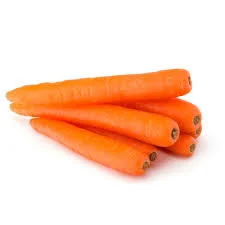
Grated Carrot Salad(France)
Difficulty : 1
A classic of French home cooking, grated carrot salad is a fresh and economical side dish, popular in canteens and bistros.
- 4 medium carrots (about 400g)
- 2 tablespoons extra virgin olive oil
- 1 tablespoon cider vinegar (or wine vinegar)
- 1 teaspoon Dijon mustard
- Salt, freshly ground black pepper
- A few sprigs of fresh parsley, finely chopped
Peel and finely grate the carrots. In a bowl, mix the olive oil, vinegar, mustard, salt and pepper to make the vinaigrette. Add the grated carrots to the vinaigrette and mix well. Incorporate the chopped parsley. Serve fresh.
In a small salad bowl or plated as a dome on an individual plate, garnished with a sprig of parsley.
TCM actions : The carrot is neutral to slightly cool in nature, sweet in flavour. It tonifies Blood and Qi, harmonises the Spleen and Stomach, and nourishes the Liver. Raw, it is more cooling and helps eliminate Heat. Parsley is warming and aids digestion.
Nutritional benefits : Rich in beta-carotene (vitamin A), fibre, vitamin K, vitamin C. Olive oil promotes the absorption of beta-carotene (fat-soluble). Vinegar and mustard provide antioxidants.
Carrot Cake(United States)
Difficulty : 1
A popular American cake since the 20th century, carrot cake was popularised in France in the 1980s. It showcases local flavours and remains appreciated in home cooking and at shared meals.
- For the cake
- 250g plain flour
- 1 teaspoon bicarbonate of soda
- 1/2 teaspoon baking powder
- 1/2 teaspoon salt
- 1 teaspoon ground cinnamon
- 1/2 teaspoon ground nutmeg
- 200g caster sugar
- 100g brown sugar
- 3 large eggs
- 180ml vegetable oil (sunflower or rapeseed)
- 300g finely grated carrots
- 100g chopped walnuts (optional)
- For the frosting
- 200g cream cheese
- 100g softened unsalted butter
- 100g icing sugar
- 1 teaspoon vanilla extract
Cake: Preheat the oven to 180°C (Gas Mark 4). Grease and flour a round tin of 22-24 cm. In a large bowl, mix the flour, bicarbonate of soda, baking powder, salt, cinnamon and nutmeg. In another bowl, whisk the caster sugar, brown sugar, eggs and oil until a homogeneous mixture is obtained. Incorporate the dry ingredients into the wet ingredients little by little, mixing just enough to combine. Add the grated carrots and walnuts (if using) and fold in gently. Pour the batter into the prepared tin and bake for 30-40 minutes, or until a skewer inserted in the centre comes out clean. Leave to cool completely on a wire rack. Frosting: In a bowl, beat the cream cheese and softened butter until a smooth texture is obtained. Add the icing sugar and vanilla extract and beat until the frosting is light and creamy. Spread the frosting over the cooled cake.
Decorate with a few chopped walnuts or orange zests.
TCM actions : The carrot is sweet and neutral, tonifies the Spleen and Stomach. The spices (cinnamon, nutmeg) are warming and aid digestion. Sugar and fats should be consumed in moderation according to TCM as they can generate Dampness.
Nutritional benefits : Provides fibre, beta-carotene. Walnuts are a source of omega-3 fatty acids. It is an energy-rich dessert.
Chicken Tagine with Carrots and Olives(Morocco)
Difficulty : 2
The tagine is the emblematic dish of Moroccan cuisine, named after the earthenware vessel in which it simmers slowly. This version with chicken, carrots and olives marries the sweet-savoury flavours typical of the Maghreb.
- 800g chicken thighs (skinless)
- 2 medium onions, sliced
- 4 garlic cloves, chopped
- 500g carrots, cut into thick rounds or sticks
- 100g pitted green olives
- 1/2 preserved lemon, cut into quarters (or 1 tablespoon fresh lemon zest)
- 1 bunch fresh coriander, chopped
- 1 bunch fresh parsley, chopped
- 1 teaspoon ground turmeric
- 1 teaspoon ground ginger
- 1/2 teaspoon ground cumin
- 1/2 teaspoon sweet paprika
- A pinch of saffron (optional)
- Salt, black pepper
- 3 tablespoons olive oil
- 250ml water or chicken stock
In a large tagine or casserole, heat the olive oil over medium heat. Brown the chicken pieces on all sides. Remove the chicken and set aside. Add the sliced onions and sweat until translucent (about 5-7 minutes). Add the chopped garlic, turmeric, ginger, cumin, paprika, saffron (if using), salt and pepper. Fry for 1 minute, stirring. Return the chicken to the tagine. Add the carrots, olives, preserved lemon (or zest), half the coriander and parsley. Pour in the water or stock. Bring to the boil, then reduce the heat, cover and simmer for 45-60 minutes, or until the chicken is tender and the carrots are cooked. Before serving, scatter the remaining fresh coriander and parsley.
Serve directly in the tagine dish, accompanied by Moroccan bread (khobz) or couscous.
TCM actions : The carrot tonifies the Spleen and Stomach. Chicken nourishes Qi and Blood. The spices (ginger, turmeric, cumin) are warming and disperse Cold, promoting the circulation of Qi. Preserved lemon is cooling and aids digestion.
Nutritional benefits : A dish rich in lean protein (chicken), fibre (carrots), vitamins (A, C, K) and minerals. The spices are antioxidants and anti-inflammatory.
Carrot and Red Lentil Curry(India)
Difficulty : 2
Lentil and vegetable curry is a pillar of Indian vegetarian cuisine, where red lentils (dal) accompany seasonal vegetables perfumed with toasted spices.
- 200g red lentils
- 1 tablespoon coconut oil or ghee
- 1 medium onion, chopped
- 2 garlic cloves, chopped
- 1 piece fresh ginger (2 cm), grated
- 400g carrots, diced
- 1 tin (400ml) coconut milk
- 400ml vegetable stock
- 1 teaspoon black mustard seeds
- 1 teaspoon cumin seeds
- 1 teaspoon ground turmeric
- 1/2 teaspoon chilli powder (or to taste)
- Salt to taste
- Juice of half a lime
- Fresh coriander, chopped, to garnish
Rinse the red lentils in cold water until the water runs clear. Drain. In a large saucepan or casserole, heat the coconut oil (or ghee) over medium heat. Add the mustard and cumin seeds and let them sizzle for 30 seconds. Add the chopped onion and sweat until translucent (about 5 minutes). Incorporate the chopped garlic and grated ginger. Fry for 1 minute until fragrant. Add the diced carrots, turmeric and chilli powder. Stir and cook for 2-3 minutes. Add the rinsed red lentils, coconut milk and vegetable stock. Season. Bring to the boil, then reduce the heat, cover and simmer for 20-25 minutes, or until the lentils and carrots are tender. Stir from time to time to prevent sticking. Remove from the heat, incorporate the lime juice.
Serve hot, garnished with fresh chopped coriander, accompanied by basmati rice or naan.
TCM actions : Red lentils tonify the Spleen and Stomach. The carrot is sweet and neutral, beneficial for the Spleen and Liver. The spices (ginger, turmeric, cumin, chilli) are warming and disperse Cold, promote digestion. Coconut milk can generate excess Dampness.
Nutritional benefits : A vegetarian dish rich in plant protein (lentils), fibre, beta-carotene, iron. Coconut milk provides healthy fats. The spices are powerful antioxidants and anti-inflammatories.
Carrot and Ginger Soup with Coconut Milk(Thailand)
Difficulty : 2
Thai cuisine harmoniously marries coconut milk, ginger and vegetables. This velvety soup is inspired by the flavours of tom kha, the Thai coconut soup, here adapted to the carrot.
- 1 tablespoon vegetable oil
- 1 medium onion, chopped
- 2 garlic cloves, chopped
- 1 piece fresh ginger (3 cm), peeled and grated
- 500g carrots, peeled and cut into rounds
- 1 litre vegetable stock
- 400ml coconut milk
- Juice of half a lime
- Salt, pepper
- Fresh chilli or chilli flakes (optional, for heat)
- Fresh coriander to garnish
In a large saucepan, heat the oil over medium heat. Add the onion and sweat until translucent (about 5 minutes). Add the chopped garlic and grated ginger. Fry for 1 minute until fragrant. Incorporate the carrots in rounds and the chilli (if using). Stir and cook for 5 minutes. Pour in the vegetable stock. Bring to the boil, then reduce the heat, cover and simmer for 20-25 minutes, or until the carrots are very tender. Remove from the heat. Using a stick blender (or blender), blend the soup until a smooth and creamy consistency is obtained. Return the soup to low heat. Add the coconut milk and lime juice. Warm gently without boiling. Season to taste.
Serve hot in bowls, garnished with fresh chopped coriander and optionally a drizzle of coconut milk or a few chilli flakes.
TCM actions : The carrot is sweet and neutral, beneficial for the Spleen and Liver. Ginger is very warming, disperses Cold and aids digestion. Coconut milk can generate Dampness. Lime is cooling and aids digestion.
Nutritional benefits : Rich in beta-carotene, fibre, vitamin C. Ginger is a powerful anti-inflammatory and aids digestion. Coconut milk provides healthy fats.
Glazed Carrots with Honey and Rosemary(Greece/Mediterranean)
Difficulty : 1
Glazed carrots with honey and rosemary evoke Mediterranean cuisine, where honey and aromatic herbs accompany roasted or braised vegetables since Antiquity.
- 500g carrots, peeled and cut into sticks or turned
- 2 tablespoons extra virgin olive oil
- 1 tablespoon honey
- 1 sprig fresh rosemary
- Salt, freshly ground black pepper
- 100ml water or vegetable stock
In a large frying pan, heat the olive oil over medium heat. Add the carrots and rosemary. Fry for 5 minutes, stirring regularly. Add the honey, salt and pepper. Stir. Pour in the water or stock. Bring to the boil, then reduce the heat, cover and simmer for 15-20 minutes, or until the carrots are tender. Remove the lid and increase the heat to evaporate the remaining liquid, stirring so that the carrots are well glazed and slightly caramelised. Remove the rosemary sprig before serving.
Serve as a side dish to grilled meats or fish.
TCM actions : The carrot is sweet and neutral, tonifies the Spleen and Liver. Honey is sweet and warming, tonifies Qi and the Stomach. Rosemary is warming and aromatic, aids digestion.
Nutritional benefits : Rich in beta-carotene, fibre. Rosemary is an antioxidant. Honey is a source of natural energy.
Carrot and Orange Salad with Orange Blossom Water(Algeria/Maghreb)
Difficulty : 1
This fresh salad is typical of Maghrebi starters, where orange blossom water perfumes fruit and vegetable salads, a legacy of Arab-Andalusian cuisine.
- 4 medium carrots (about 400g), peeled
- 2 oranges, peeled and cut into rounds or dice
- 1 tablespoon fresh lemon juice
- 1 tablespoon orange blossom water
- 1 tablespoon honey (or more, to taste)
- A few fresh mint leaves to garnish
- A pinch of ground cinnamon (optional)
Finely grate the carrots. In a large bowl, mix the grated carrots, orange pieces, lemon juice, orange blossom water and honey. Mix well and leave to rest in the fridge for at least 30 minutes for the flavours to develop. When ready to serve, garnish with fresh mint leaves and optionally a pinch of cinnamon.
Serve in individual bowls or a large serving dish, chilled.
TCM actions : The carrot is sweet and neutral, beneficial for the Spleen and Liver. Orange is cooling and aids digestion. Orange blossom is cooling and calms the Shen. Honey is sweet and warming.
Nutritional benefits : Rich in beta-carotene, vitamin C, fibre. Hydrating and cooling.
Roasted Carrots with Cumin and Coriander(Middle East)
Difficulty : 1
Roasted carrots with cumin and coriander are inspired by Middle Eastern cuisine, where aromatic spices traditionally accompany root vegetables roasted in the oven.
- 600g carrots, peeled and cut into sticks or large pieces
- 2 tablespoons olive oil
- 1 teaspoon cumin seeds
- 1 teaspoon coriander seeds (or ground)
- 1/2 teaspoon smoked paprika (optional)
- Salt, black pepper
- Juice of half a lemon
- Fresh parsley, chopped, to garnish
Preheat the oven to 200°C (Gas Mark 6). In a large bowl, mix the carrots with the olive oil, cumin seeds, coriander seeds (if whole, lightly crush them), smoked paprika, salt and pepper. Spread the carrots in a single layer on a baking tray lined with baking parchment. Roast for 25-35 minutes, stirring halfway through, until the carrots are tender and slightly caramelised. Out of the oven, drizzle with lemon juice and scatter with fresh chopped parsley.
Serve as a side dish to grilled meats, falafels or couscous.
TCM actions : The carrot is sweet and neutral, tonifies the Spleen and Liver. Cumin and coriander are warming and aromatic, aid digestion and disperse Cold. Lemon is cooling.
Nutritional benefits : Rich in beta-carotene, fibre. The spices are antioxidants and promote digestion. Oven cooking preserves the nutrients.
Carrot and Sweet Potato Mash(West Africa)
Difficulty : 1
Root vegetable mash with palm oil is a common side dish in West Africa, where sweet potato and carrot are pounded together for a comforting and nourishing dish.
- 500g carrots, peeled and cut into pieces
- 500g sweet potatoes, peeled and cut into pieces
- 1 medium onion, chopped
- 2 garlic cloves, chopped
- 1 tablespoon palm oil (or vegetable oil)
- 200ml vegetable stock (or water)
- 100ml coconut milk (optional, for more creaminess)
- Salt, pepper
- A pinch of cayenne chilli (optional)
In a large saucepan, heat the palm oil (or vegetable oil) over medium heat. Add the onion and sweat until translucent. Add the garlic and fry for 1 minute. Incorporate the carrots and sweet potatoes. Stir. Pour in the vegetable stock (and coconut milk if using). Season, add pepper and the cayenne chilli (if using). Bring to the boil, then reduce the heat, cover and simmer for 20-25 minutes, or until the vegetables are very tender. Drain the vegetables, retaining a little cooking liquid. Mash the vegetables with a fork or potato masher, adding a little cooking liquid if necessary to obtain the desired consistency. Taste and adjust the seasoning.
Serve hot as a side dish to meat or fish dishes, or as a vegetarian dish.
TCM actions : The carrot and sweet potato are sweet and neutral, tonify the Spleen and Stomach, beneficial for Qi. Garlic and onion are warming. Palm oil is neutral. Chilli is warming and disperses Cold.
Nutritional benefits : Rich in beta-carotene (vitamin A), vitamin C, fibre. Sweet potato is a source of complex carbohydrates with a low glycaemic index.
Carrot Kimchi(Korea)
Difficulty : 1
A modern variation of Korean kimchi, traditionally made with napa cabbage. Carrots fermented with gochugaru offer a crunchy and colourful alternative to classic kimchi, popular in contemporary Korean cuisine.
- Base
- 500g carrots, peeled and cut into thick julienne
- 2 tablespoons unrefined sea salt
- For the kimchi paste
- 2 garlic cloves, finely chopped
- 1 piece fresh ginger (1 cm), grated
- 1 tablespoon Korean chilli flakes (gochugaru) (adjust to taste)
- 1 teaspoon sugar
- 1 tablespoon fish sauce (or soy sauce for a vegetarian version)
- 1 tablespoon rice vinegar
- 2 tablespoons water
Place the julienned carrots in a large bowl. Sprinkle with sea salt and mix well. Leave to rest for 1 hour, stirring from time to time. The carrots will soften and release water. Meanwhile, prepare the kimchi paste: in a small bowl, mix all the paste ingredients (garlic, ginger, gochugaru, sugar, fish sauce/soy sauce, rice vinegar, water). After 1 hour, rinse the carrots thoroughly under cold water to remove excess salt. Drain well and squeeze lightly to remove the water. Add the kimchi paste to the carrots and mix well with your hands (wear gloves to avoid irritation from the chilli). Transfer the carrot kimchi to a clean, airtight glass jar. Press firmly to eliminate air pockets. Leave about 2 cm of space at the top of the jar. Leave to ferment at room temperature (around 20-22°C) for 1 to 3 days, opening the jar once a day to release the gases. Taste regularly. Once the desired taste is reached (slightly tangy), transfer to the refrigerator where it will keep for several weeks.
Serve as a side dish to Korean dishes (rice, bibimbap, Korean barbecue) or as a condiment.
TCM actions : The carrot is sweet and neutral. Ginger and garlic are warming. Chilli is very warming. Fermentation adds a sour dimension and aids digestion.
Nutritional benefits : Rich in probiotics (thanks to fermentation), fibre, beta-carotene, vitamin C. Chilli is rich in capsaicin.
Sous Vide Confit Carrots, Carrot Emulsion and Toasted Cumin Powder(France)
Difficulty : 3
Inspired by the modern vegetable cuisine of French Michelin-starred restaurants (Alain Passard, Anne-Sophie Pic), this recipe uses the sous vide technique to slowly confit the carrots whilst preserving their flavour and colour. The carrot emulsion brings an airy texture, and the toasted cumin powder a sophisticated spicy note.
- 6 new carrots
- 50g butter
- 1 tsp sugar
- salt
- thyme
- 200ml carrot juice
- 50ml olive oil
- 2g soy lecithin
- 2 tbsp cumin seeds
1. Peel and turn the carrots. 2. Vacuum-pack with butter, sugar, salt, thyme. 3. Cook in a bain-marie at 85°C/45 min. 4. For the emulsion: heat the carrot juice, add lecithin, blend with a stick blender at the surface. 5. Toast cumin in a dry pan, grind. 6. Plate: confit carrots, emulsion in a quenelle, toasted cumin powder sprinkled.
Confit carrots plated in a fan, quenelle of carrot emulsion, toasted cumin powder sprinkled over.
TCM actions : Carrot (sweet, neutral) tonifies Spleen and Lung. Butter (sweet, neutral) nourishes Yin. Cumin (pungent, warm) circulates Qi. Sweet-warm balance for the Spleen.
Nutritional benefits : Rich in beta-carotene (sous vide cooking + butter = optimal bioavailability). Emulsion reduced in fats.
Carrots with Cumin and Lime(Mexico)
Difficulty : 2
Carrots with cumin and lime are inspired by Mexican cuisine, where cumin, chilli and lime accompany stir-fried vegetables, often served as a side to tacos and fajitas.
- 500g carrots, peeled and cut into thick rounds
- 2 tablespoons vegetable oil
- 1 teaspoon ground cumin
- 1/2 teaspoon chilli powder (optional)
- Juice of 1 lime
- A few sprigs of fresh coriander, chopped
- Salt, pepper
In a large frying pan, heat the vegetable oil over medium-high heat. Add the carrots and fry for 5-7 minutes, until they begin to brown. Add the ground cumin, chilli powder (if using), salt and pepper. Stir and cook for 1 more minute. Reduce the heat, add a splash of water (about 50ml), cover and cook for 10-15 minutes, or until the carrots are tender but still slightly crunchy. Remove from the heat, incorporate the lime juice and chopped coriander.
Serve as a side dish to tacos, fajitas or meat dishes.
TCM actions : The carrot is sweet and neutral. Cumin is warming and aids digestion. Chilli is warming. Lime is cooling.
Nutritional benefits : Rich in beta-carotene, fibre, vitamin C. The spices are antioxidants.
Carrot and Peanut Salad(Senegal)
Difficulty : 2
Carrot and peanut salad is a popular side dish in Senegal, where the groundnut (introduced by the Portuguese) has become a central ingredient in Senegalese cuisine, notably in mafé and salads.
- 4 medium carrots (about 400g), peeled and grated
- 1/2 red onion, finely sliced
- 50g roasted unsalted peanuts, crushed
- 2 tablespoons groundnut oil (or other vegetable oil)
- 1 tablespoon white wine vinegar
- Juice of half a lime
- Salt, pepper
- A few sprigs of fresh parsley or coriander, chopped
In a large bowl, mix the grated carrots and sliced red onion. In a small bowl, prepare the vinaigrette by mixing the groundnut oil, vinegar, lime juice, salt and pepper. Pour the vinaigrette over the carrots and onion. Mix well. Incorporate the crushed peanuts and chopped parsley (or coriander). Leave to rest in the fridge for at least 15 minutes before serving.
Serve fresh as a side dish to African dishes or as a starter salad.
TCM actions : The carrot is sweet and neutral. Onion is warming. Peanuts are sweet and neutral, tonify the Spleen and Stomach, but can generate excess Dampness. Lime is cooling.
Nutritional benefits : Rich in beta-carotene, fibre. Peanuts provide plant protein and healthy fats.
Carrot and Pineapple Cake(Australia/New Zealand)
Difficulty : 1
A tropical variation of carrot cake, this pineapple and coconut cake is popular in Australia and New Zealand, where fresh pineapple abounds and pairs with carrots in home baking.
- 250g plain flour
- 1 teaspoon bicarbonate of soda
- 1/2 teaspoon baking powder
- 1/2 teaspoon salt
- 1 teaspoon ground cinnamon
- 200g caster sugar
- 3 large eggs
- 180ml vegetable oil
- 300g grated carrots
- 200g tinned pineapple, drained and finely chopped (or fresh)
- 100g desiccated coconut (optional)
Preheat the oven to 180°C (Gas Mark 4). Grease and flour a round tin of 22-24 cm. In a large bowl, mix the flour, bicarbonate of soda, baking powder, salt and cinnamon. In another bowl, whisk the sugar, eggs and oil until a homogeneous mixture is obtained. Incorporate the dry ingredients into the wet ingredients little by little. Add the grated carrots, chopped pineapple and desiccated coconut (if using). Fold in gently. Pour the batter into the tin and bake for 35-45 minutes. Leave to cool completely.
May be served as is, or with a cream cheese frosting as for the American carrot cake.
TCM actions : The carrot is sweet and neutral. Pineapple is cooling and aids digestion. Coconut is sweet and neutral, but can generate Dampness. Cinnamon is warming.
Nutritional benefits : Rich in beta-carotene, fibre, vitamin C (pineapple).
Braised Carrots with Tamarind(Indonesia/Southeast Asia)
Difficulty : 1
Tamarind is a key ingredient in Southeast Asian cuisine, notably in Indonesia, where its acidity balances braised dishes. These tamarind carrots are inspired by sayur, Indonesian vegetable dishes.
- 500g carrots, peeled and cut into sticks or thick rounds
- 1 tablespoon vegetable oil
- 1 medium onion, sliced
- 2 garlic cloves, chopped
- 1 piece fresh ginger (2 cm), grated
- 1 fresh red chilli, deseeded and chopped (optional)
- 2 tablespoons tamarind paste (diluted in 50ml hot water)
- 1 tablespoon soy sauce
- 1 teaspoon palm sugar (or brown sugar)
- 200ml water or vegetable stock
- A few fresh coriander leaves to garnish
In a large frying pan or wok, heat the vegetable oil over medium heat. Add the onion and sweat until translucent. Add the chopped garlic, grated ginger and chopped chilli (if using). Fry for 1 minute until fragrant. Incorporate the carrots. Stir and cook for 5 minutes. Add the diluted tamarind paste, soy sauce, palm sugar and water (or stock). Bring to the boil, then reduce the heat, cover and simmer for 20-25 minutes, or until the carrots are tender and the sauce has thickened. Taste and adjust the seasoning if necessary (more tamarind for acidity, more sugar for balance).
Serve hot as a side dish to rice or noodles.
TCM actions : The carrot is sweet and neutral. Tamarind is sour and cooling, aids digestion. Ginger and chilli are warming. Palm sugar is sweet and neutral.
Nutritional benefits : Rich in beta-carotene, fibre. Tamarind is a source of antioxidants.