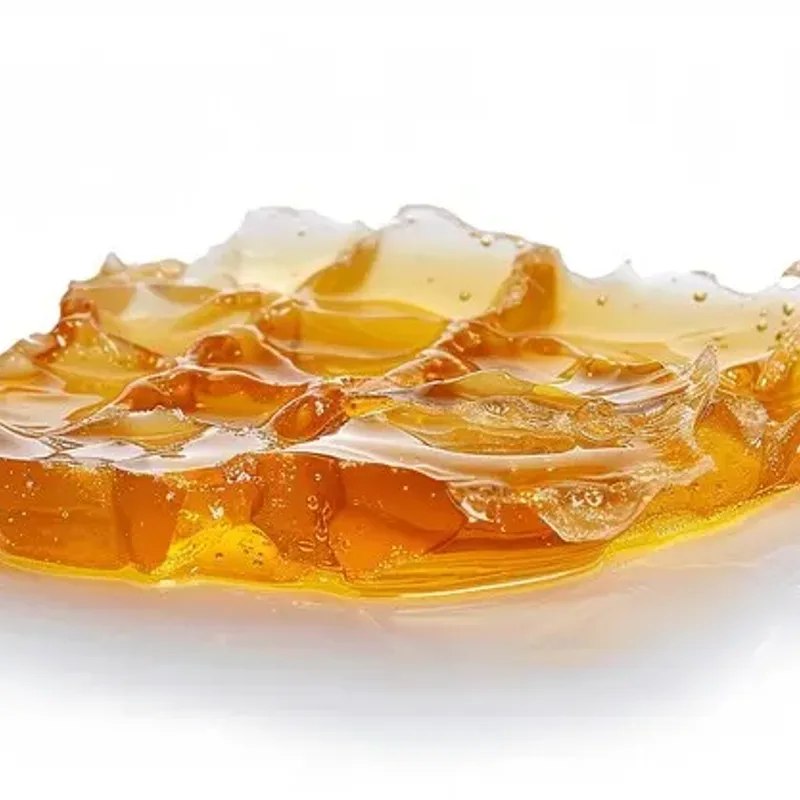
Baklava(Turkey)
Difficulty : 1
An Ottoman dessert whose origins go back to the Byzantine Empire and the palatine kitchens of Istanbul. Baklava, thin layers of buttered filo pastry filled with nuts and soaked in honey syrup, is a symbol of festivities throughout the Middle East and the Balkans.
- 500 g filo pastry
- 300 g nuts (pistachios, walnuts, almonds), chopped
- 150 g clarified butter (ghee)
- *Syrup:* 300 g honey, 200 ml water, 150 g sugar, 1 cinnamon stick, the juice of half a lemon.
Preheat the oven to 160°C. Butter a rectangular dish. Lay down half the filo sheets, buttering each one. Spread the chopped nuts. Cover with the remaining filo sheets, buttering each one. Cut the baklava into diamonds or squares before baking. Bake for 45-60 minutes, until golden and crisp. Meanwhile, prepare the syrup: Boil the water, sugar, cinnamon and lemon juice for 10 minutes. Remove from the heat and add the honey. Mix well. As soon as it comes out of the oven, pour the hot syrup over the hot baklava. Leave to soak in thoroughly for several hours, ideally overnight.
Serve at room temperature, garnished with crushed pistachios.
TCM actions : Honey nourishes Qi and Blood, moistens the Lungs and intestines. Nuts tonify the kidneys and brain. Cinnamon warms and disperses cold. A rich dish, to be eaten in moderation to avoid generating excessive dampness.
Nutritional benefits : Source of quick energy (sugars), antioxidants (honey, nuts), essential fatty acids (nuts). However, very calorific and rich in refined sugars.
Honey-Glazed Duck(China)
Difficulty : 1
Peking duck is an emblematic dish of Beijing, attested since the Ming dynasty (15th century). Lacquered with honey and vinegar, the skin becomes crisp in the oven. A family version using duck breast, adapted from traditional Peking duck.
- 1 duck breast (about 350-400 g)
- *Marinade:* 2 tbsp honey, 2 tbsp soy sauce, 1 tbsp rice vinegar, 1 garlic clove, chopped, 1 tsp freshly grated ginger.
- *Glaze:* 1 tbsp honey, 1 tbsp soy sauce, 1 tsp rice vinegar.
Score the duck breast skin in a criss-cross pattern, without reaching the flesh. Mix all the marinade ingredients. Brush the duck breast and leave to marinate in the fridge for at least 1 hour (ideally 4h). Preheat the oven to 200°C. In a cold frying pan, place the duck breast skin-side down. Cook over a medium heat for 8-10 minutes to crisp the skin and render the fat. Pour off the excess fat. Turn the duck breast flesh-side down and cook for 2-3 minutes. Transfer the duck breast to a baking tray. Mix the glaze ingredients and brush the duck breast generously. Bake for 10-15 minutes, brushing every 5 minutes, until the duck is well glazed and cooked to your liking (internal temperature 55-60°C for a pink result). Rest for 5 minutes before slicing.
Slice the duck breast diagonally and serve with rice, stir-fried vegetables and the remaining sauce.
TCM actions : Duck nourishes Yin and moistens. Honey nourishes Qi and Blood. Ginger and garlic disperse cold and stimulate the circulation of Qi. A balanced dish that tonifies without being too heavy.
Nutritional benefits : High-quality protein, monounsaturated fatty acids (duck fat), antioxidants (ginger, garlic, honey). Rich in umami flavours.
Loukoumádes(Greece)
Difficulty : 1
Greek honey doughnuts attested since Antiquity: Aristophanes mentions them. Served at festivals and carnivals, loukoumádes are offered as a welcome in Greek homes.
- *Dough:* 250 g plain flour, 10 g fresh baker's yeast, 1 tsp sugar, 1/2 tsp salt, 200 ml warm water.
- *Syrup:* 200 g honey, 100 ml water, 1 cinnamon stick, 1 orange zest.
- Vegetable oil for frying.
- Ground cinnamon for sprinkling.
Dissolve the yeast and sugar in the warm water. Leave to rest for 5 minutes. In a large bowl, mix the flour and salt. Add the yeast mixture and mix well until a homogeneous, sticky dough is obtained. Cover and leave to rise in a warm place for 1 hour, until the dough doubles in volume. Prepare the syrup: Boil the water, honey, cinnamon and orange zest for 5 minutes. Remove from the heat and leave to cool. Heat the oil to 170°C in a fryer or large saucepan. Using two teaspoons (or an ice cream scoop dipped in oil), take small balls of dough and place them delicately in the hot oil. Fry in small batches until golden all over (about 3-4 minutes). Drain the loukoumádes on kitchen paper, then dip them immediately into the cold honey syrup for a few seconds.
Serve hot, sprinkled with cinnamon and, if you like, crushed nuts.
TCM actions : Honey nourishes Qi and Blood. Cinnamon warms. A dish rich in sugars, to be eaten in moderation to avoid generating dampness and internal heat.
Nutritional benefits : Source of quick energy. Very calorific, rich in sugars and fats.
Lamb Tagine with Prunes and Honey(Morocco)
Difficulty : 2
The tagine, an emblematic dish of Moroccan and Berber cuisine, takes its name from the earthenware vessel. This sweet-and-savoury version with lamb, prunes and honey is a classic at Moroccan festivals and weddings.
- 1 kg boneless lamb shoulder, cut into 3-4 cm pieces
- 2 onions, chopped
- 2 garlic cloves, chopped
- 1 tsp freshly grated ginger
- 1 tsp turmeric
- 1 tsp cumin
- 1/2 tsp cinnamon
- A pinch of saffron (optional)
- 250 g stoned prunes
- 2 tbsp honey
- 500 ml poultry stock or water
- Olive oil
- Salt, pepper
- Toasted flaked almonds and fresh coriander for garnish.
In a casserole or tagine dish, heat a drizzle of olive oil. Brown the pieces of lamb on all sides. Remove the meat and set aside. In the same casserole, fry the chopped onions until translucent. Add the garlic, ginger, turmeric, cumin, cinnamon and saffron. Fry for 1 minute. Return the lamb to the casserole. Add the stock (or water), salt and pepper. Bring to the boil, then reduce the heat, cover and simmer for 90 minutes to 2 hours, until the lamb is very tender. Add the prunes and honey. Continue cooking uncovered for 30 minutes, until the sauce thickens and the prunes are well confited.
Serve hot, garnished with toasted flaked almonds and chopped fresh coriander, accompanied by couscous or bread.
TCM actions : Lamb tonifies Yang and Qi, warms the Kidney. Prunes and honey nourish Blood and Yin, moisten the intestines. The spices (ginger, cinnamon, cumin) warm and harmonise digestion. A nourishing, warming dish.
Nutritional benefits : High-quality protein (lamb), fibre (prunes), vitamins and minerals (spices, prunes). Honey provides natural sugars and antioxidants.
Honey Cake (Medovik)(Russia)
Difficulty : 2
Medovik, a cake of thin layers of honey pastry and smetana cream, appeared in the 19th century in imperial Russian cuisine. Honey was the traditional sweetener before the arrival of imported sugar.
- *Pastry:* 100 g butter, 100 g sugar, 3 tbsp honey, 2 eggs, 1 tsp bicarbonate of soda, 350-400 g flour.
- *Cream:* 500 g thick crème fraîche (or smetana), 150 g icing sugar, 1 tsp vanilla extract.
In a bain-marie, melt the butter, sugar and honey, stirring. Add the beaten eggs and bicarbonate of soda. The mixture will foam. Continue heating for 5-7 minutes, stirring. Remove from the bain-marie. Incorporate the flour little by little until a soft dough is obtained. Divide the dough into 8-10 equal balls. Preheat the oven to 180°C. On a sheet of lightly floured baking parchment, roll out each ball of dough very thinly (about 2-3 mm) into a circle 20-22 cm in diameter. Trim the edges to obtain a perfect circle (keep the trimmings). Bake each circle of dough for 3-5 minutes, until golden. Leave to cool on a rack. Also bake the pastry trimmings. Prepare the cream: Whip the thick crème fraîche with the icing sugar and vanilla until a smooth cream is obtained. Assembly: Spread a thin layer of cream on each biscuit disc. Stack the layers. Crush the baked pastry trimmings into fine crumbs. Coat the whole cake in the crumbs. Refrigerate the cake for at least 6 hours, ideally overnight, so that the biscuits soak up the cream and become soft.
Serve chilled, cut into portions.
TCM actions : Honey nourishes Qi and Blood. Crème fraîche can generate dampness and cold if consumed in excess. A rich, comforting dish, to be eaten in moderation.
Nutritional benefits : Source of energy (sugars, fats), calcium (cream). Very calorific and rich in sugars.
Honey-Glazed Salmon(United States)
Difficulty : 2
Honey-glazed salmon is a contemporary adaptation of American fusion cuisine, popularised in Californian restaurants in the 1990s. The honey and soy sauce glaze marries Asian influences with local products.
- 2 salmon fillets (about 150-200 g each)
- *Glaze:* 2 tbsp honey, 2 tbsp soy sauce, 1 tbsp lemon juice, 1 garlic clove, chopped, 1/2 tsp freshly grated ginger.
- Olive oil
- Salt, pepper
- Sesame seeds and chopped chives for garnish.
Preheat the oven to 200°C. Mix all the glaze ingredients in a small bowl. Season the salmon fillets with salt and pepper. Heat a drizzle of olive oil in an ovenproof frying pan over a medium-high heat. Place the salmon fillets skin-side down and cook for 3-4 minutes until the skin is crisp. Turn the fillets. Brush generously with the honey glaze. Transfer the pan to the oven and cook for 8-12 minutes (depending on the thickness of the fillets), brushing once or twice during cooking, until the salmon is cooked to your liking (internal temperature 60-63°C).
Serve hot, garnished with sesame seeds and chopped chives, accompanied by rice and green vegetables.
TCM actions : Salmon tonifies Qi and Blood, nourishes Yin. Honey nourishes Qi. Ginger and garlic disperse cold and stimulate circulation. A nourishing, easy-to-digest dish.
Nutritional benefits : Rich in high-quality protein, Omega-3 fatty acids (salmon), vitamins D and B12. Honey provides natural sugars and antioxidants.
Pastel de Nata with Honey(Portugal)
Difficulty : 1
Pastel de nata, born in the 18th century in the Jerónimos monastery in Belém (Lisbon), is an icon of Portuguese pastry. This honey version replaces all or part of the sugar with honey, a tradition in northern Portugal.
- 1 sheet of puff pastry
- *Custard:* 250 ml milk, 150 g sugar, 20 g flour, 4 egg yolks, 1 cinnamon stick, 1 lemon zest, 2 tbsp honey.
Preheat the oven to 220°C. Unroll the puff pastry and roll it up tightly. Cut the roll into 12-15 slices. Place each slice in a muffin tin (or pastel de nata moulds) and press the pastry with your fingers to form a small cup. Prepare the custard: In a saucepan, heat the milk with the cinnamon stick and lemon zest until it simmers. Remove from the heat and leave to infuse for 10 minutes. Remove the cinnamon and zest. In a bowl, mix the sugar and flour. Add the egg yolks and whisk until a smooth mixture is obtained. Slowly pour the warm milk over the yolk-sugar-flour mixture, whisking constantly. Return the custard to the saucepan and heat over low heat, stirring constantly, until it thickens. Remove from the heat and incorporate the honey. Pour the custard into the pastry cups, filling them three-quarters full. Bake for 15-20 minutes, until the pastry is golden and the custard is lightly caramelised on top.
Serve warm or cold, optionally sprinkled with cinnamon.
TCM actions : Honey nourishes Qi and Blood. Milk and eggs nourish Yin. Cinnamon warms. A rich dish, to be eaten in moderation.
Nutritional benefits : Source of energy, calcium (milk), protein (eggs). Rich in sugars and fats.
Garlic and Honey Chicken (Dakgangjeong)(South Korea)
Difficulty : 1
Dakgangjeong is a Korean fried chicken coated in a sticky honey and chilli sauce. Born in the 2000s in the wave of Korean fried chicken (chimaek), it is a hugely popular street food and sharing dish.
- 500 g boneless, skinless chicken thighs, cut into pieces
- *Marinade:* 2 tbsp soy sauce, 1 tbsp rice vinegar, 1 tsp sesame oil.
- *Sauce:* 3 tbsp honey, 3 tbsp soy sauce, 2 tbsp rice vinegar, 2 garlic cloves, chopped, 1 tsp freshly grated ginger, 1 tsp gochugaru chilli flakes (optional).
- 2 tbsp cornflour
- Vegetable oil for frying or cooking.
- Sesame seeds and chopped spring onion for garnish.
Mix the chicken pieces with the marinade ingredients. Leave to marinate for 30 minutes. Prepare the sauce: Mix all the sauce ingredients in a small bowl. Drain the chicken well and toss it in the cornflour to coat it evenly. Heat 2-3 tbsp vegetable oil in a large frying pan over medium-high heat. Brown the chicken on all sides until cooked and crisp (about 8-10 minutes). Remove the chicken from the pan. Pour off any excess fat if necessary. Pour the sauce into the pan and simmer for 1-2 minutes until it thickens slightly. Return the chicken to the pan and coat it well with sauce.
Serve hot, garnished with sesame seeds and chopped spring onion, accompanied by rice.
TCM actions : Chicken tonifies Qi and Blood. Honey nourishes Qi. Garlic and ginger disperse cold and stimulate circulation. Chilli disperses cold and activates Yang. A warming, energising dish.
Nutritional benefits : High-quality protein (chicken), antioxidants (garlic, ginger, honey). Honey provides natural sugars.
Tahini and Honey Halva(Iran)
Difficulty : 1
Tahini halva, of Persian origin, is attested since the 7th century. Spread throughout the Middle East, the Balkans and India, it combines tahini (sesame paste) and honey or sugar. The honey version is the oldest.
- 200 g tahini (sesame paste)
- 150 g honey
- 50 g pistachios (or other nuts), roughly chopped (optional)
- 1 tsp vanilla extract (optional)
In a heavy-bottomed saucepan, heat the honey over a low heat. Bring to a simmer and cook for 5-7 minutes, stirring from time to time, until it reaches a temperature of about 115-120°C (soft ball stage). Remove the honey from the heat. Add the tahini and vanilla extract. Mix vigorously with a wooden spatula until the mixture thickens and becomes difficult to stir. Incorporate the chopped pistachios if desired. Line a small rectangular mould (about 10x15 cm) with baking parchment. Pour in the halva mixture and press down firmly to compact it. Leave to cool completely at room temperature for at least 4 hours, or in the fridge for 1-2 hours to speed up.
Cut the halva into small squares or rectangles and serve.
TCM actions : Sesame nourishes Blood and Yin, moistens the intestines and lungs. Honey nourishes Qi and Blood. Pistachios tonify the kidneys and liver. A very nourishing, rich dish, to be eaten in small quantities.
Nutritional benefits : Rich in essential fatty acids (sesame), vegetable protein, calcium, iron. Source of quick energy (honey). Very calorific.
Honey Caviar and Thyme Foam on Confit Carrots(France)
Difficulty : 3
A molecular cuisine recipe inspired by reverse spherification techniques (Ferran Adrià, elBulli, 2000s). Honey caviar exploits calcium-alginate gelation to create pearls that burst in the mouth.
- 100 g liquid honey
- 2 g calcium lactate
- 5 g sodium alginate
- 1 L water (for the alginate bath)
- 500 g carrots, cut into fine batons
- 2 sprigs fresh thyme
- 1 g soy lecithin
- 50 ml water
- Olive oil, salt
1. Honey caviar: mix the honey and calcium lactate, leave to rest 30 minutes. Prepare the alginate bath (5 g alginate + 1 L water, blend and leave to rest 1 hour). Deposit droplets of the calcium-enriched honey into the alginate bath. Leave 2-3 minutes, rinse in clear water. 2. Confit carrots: cook the carrots at 80°C for 1 hour in olive oil with the thyme and salt. 3. Thyme foam: infuse the thyme in 50 ml hot water, strain, add 1 g soy lecithin, blend at the surface to create a foam. 4. Plate the confit carrots, place the honey caviar on top, finish with the thyme foam.
Plated: honey caviar quenelled, foam as a final touch.
TCM actions : Carrots tonify the Spleen. Honey nourishes Qi. Thyme warms and disperses cold. A gentle, nourishing, easy-to-digest dish.
Nutritional benefits : Rich in beta-carotene (vitamin A), fibre (carrots), antioxidants (thyme, honey). Low in calories. Molecular technique with no caloric additives.
Honey Jalebi(India)
Difficulty : 1
Jalebi is an Indian dessert of Persian origin (zolbiya), attested in India since the 15th century. Fried in spirals then soaked in syrup, it is served at festivals (Diwali, weddings). This honey version replaces the sugar syrup with a honey-saffron syrup.
- *Dough:* 100 g plain flour, 2 tbsp natural yoghurt, 1/4 tsp baking powder, 80-100 ml water.
- *Syrup:* 200 g sugar, 100 ml water, 50 g honey, a few strands of saffron (optional), 1/2 tsp ground cardamom.
- Vegetable oil for frying.
Prepare the dough: In a bowl, mix the flour, yoghurt and baking powder. Add the water little by little to obtain a smooth, thick batter without lumps. Leave to rest 30 minutes. Prepare the syrup: In a saucepan, boil the sugar and water until the sugar is dissolved. Add the honey, saffron and cardamom. Simmer for 5 minutes. Remove from the heat and keep warm. Heat the oil to 170°C in a large heavy-bottomed frying pan. Transfer the batter to a piping bag fitted with a small round nozzle (or a squeezy bottle with a small hole). Pipe the batter directly into the hot oil in spirals or circles. Fry for 1-2 minutes on each side until golden and crisp. Drain the fried jalebis and dip them immediately into the hot syrup for 30 seconds to 1 minute, turning them over.
Serve hot or at room temperature.
TCM actions : Honey nourishes Qi and Blood. Cardamom harmonises digestion. A dish very rich in sugars and fats, to be eaten in moderation.
Nutritional benefits : Source of quick energy. Very calorific, rich in sugars and fats.
Honeycomb Candy(United Kingdom)
Difficulty : 2
Honeycomb (or cinder toffee) is a traditional British confection, popularised since the 19th century. Bicarbonate of soda makes the honey caramel foam, creating the characteristic bubbly texture. Known in Australia as hokey pokey.
- 200 g icing sugar
- 100 g honey
- 2 tbsp water
- 1 tsp bicarbonate of soda
- 200 g dark chocolate (optional)
Prepare a square mould (about 20x20 cm) by lining it with baking parchment and greasing it lightly. In a heavy-bottomed saucepan, mix the sugar, honey and water. Heat over a medium heat, without stirring, until the mixture reaches 150°C (hard crack stage). Use a cooking thermometer. Remove immediately from the heat. Add the bicarbonate of soda and mix quickly and vigorously with a wooden spatula. The mixture will foam and swell. Pour the mixture immediately into the prepared mould. Do not spread it out or press it down. Leave to cool completely at room temperature for at least 1 hour. Once cooled and hardened, break the honeycomb into pieces. If desired, melt the dark chocolate in a bain-marie. Dip the honeycomb pieces into the melted chocolate, drain the excess and leave to harden on baking parchment.
Serve in pieces, plain or coated in chocolate.
TCM actions : Honey nourishes Qi and Blood. A very sweet dish, to be eaten in moderation to avoid generating dampness.
Nutritional benefits : Source of quick energy. Very calorific and rich in sugars.
Honey-Glazed Turkey Breast (pork-free adaptation)(Germany)
Difficulty : 1
A pork-free adaptation of honey-glazed ham, a traditional festive dish of German and northern European cuisine (Schweinebraten). Turkey replaces ham to cater for pork-free diets, while keeping the honey glaze and festive accompaniments.
- 1 turkey breast (about 1 kg)
- *Glaze:* 100 g honey, 2 tbsp Dijon mustard, 1 tbsp cider vinegar, 1/2 tsp smoked paprika (optional).
- Whole cloves (optional, for decoration)
- Salt, pepper.
Preheat the oven to 160°C. Place the turkey breast in a roasting dish. Season with salt and pepper. In a small bowl, mix all the glaze ingredients. Brush the turkey breast generously with half the glaze. If desired, lightly score the skin in a criss-cross pattern and insert a few cloves. Bake for 90 minutes to 2 hours (about 20 minutes per 500 g), brushing with the remaining glaze every 20-30 minutes, until the internal temperature reaches 74°C. If the turkey browns too quickly, cover loosely with aluminium foil. Rest for 10-15 minutes before slicing.
Slice the turkey and serve with the pan juices, accompanied by roast vegetables or mashed potato.
TCM actions : Turkey tonifies Qi and Blood. Honey nourishes Qi. Mustard and vinegar stimulate digestion. A nourishing, tasty dish.
Nutritional benefits : Lean, high-quality protein (turkey), natural sugars (honey).
Honey and Lemon Cake (Drizzle Cake)(United Kingdom)
Difficulty : 1
The drizzle cake is a British teatime classic, popularised since the 20th century. Honey and lemon syrup poured over the hot cake creates a melt-in-the-mouth crust. The honey version of the traditional lemon drizzle cake.
- *Cake:* 200 g flour, 1 tsp baking powder, 175 g soft butter, 175 g sugar, 3 eggs, the zest of 1 lemon.
- *Syrup:* 50 g honey, 50 g sugar, the juice of 1 lemon.
Preheat the oven to 180°C. Grease and flour a cake tin (about 20 cm). In a large bowl, cream the butter and sugar until the mixture is pale and fluffy. Incorporate the eggs one at a time, mixing well after each addition. Add the lemon zest. Sift the flour and baking powder, then fold gently into the mixture. Pour the batter into the prepared tin and bake for 40-50 minutes, or until a skewer inserted in the centre comes out clean. While the cake bakes, prepare the syrup: In a small saucepan, heat the honey, sugar and lemon juice until the sugar is dissolved. Simmer for 2 minutes. As soon as it comes out of the oven, prick the hot cake with a skewer and pour the hot syrup over the whole surface. Leave to cool completely in the tin before turning out.
Serve in slices, ideal for tea.
TCM actions : Honey nourishes Qi. Lemon helps regulate Liver Qi and transform dampness. A comforting dish, to be eaten in moderation.
Nutritional benefits : Source of energy (sugars, fats), vitamin C (lemon). Rich in sugars and fats.
Caramelised Honey Panna Cotta, Confit Honeycomb and Red Berry Coulis(Italy)
Difficulty : 3
A Michelin-starred version of Piedmontese panna cotta (attested since the 19th century). The honey is caramelised at low temperature (60-70°C for 3 hours) to develop roasted notes without burning the sugars. The confit honeycomb brings a unique texture and a gastronomic signature.
- 400 ml full-fat double cream
- 100 ml whole milk
- 50 g caramelised honey (see preparation)
- 20 g extra honey
- 3 gelatine leaves (about 6 g)
- 1 tsp vanilla extract
- Pieces of fresh honeycomb
- Fresh red berries (strawberries, raspberries, blueberries) for the coulis
1. Caramelised honey: heat 50 g honey in the oven at 65°C for 3h in a covered ramekin. Concentrates the flavours, develops roasted notes. 2. Confit honeycomb: confite pieces of honeycomb in a light honey syrup (1:1 honey/water) at 60°C for 1 hour. 3. Panna cotta: soak the gelatine leaves. Heat the cream, milk and caramelised honey over a low heat until simmering. Incorporate the squeezed gelatine and the vanilla. Pour into ramekins, refrigerate for at least 4 hours. 4. Coulis: blend the red berries, pass through a sieve. 5. Plating: turn out the panna cotta, cover with coulis, place the confit honeycomb and a few drops of caramelised honey.
Plated: coulis in a circle, honeycomb as a final touch, drizzle of caramelised honey.
TCM actions : Honey nourishes Qi and Blood. Dairy products nourish Yin. Red berries refresh and nourish Blood. A gentle, refreshing dish, to be eaten in moderation to avoid generating dampness.
Nutritional benefits : Calcium (dairy products), antioxidants (red berries, honey). Source of energy. Rich in fats and sugars.